المدونة

how to choose electric hoist for overhead crane
15 September 2026

How to Choose Electric Hoist for Overhead Crane?

Selecting an electric hoist for an overhead crane is fundamentally different from purchasing an electric hoist separately. The hoist must not only meet the lifting requirements for the rated load but also be compatible with the crane’s main girder structure, operate within the limited headroom, function on a trolley that matches the crane’s rails or flanges, have a duty class that corresponds to the crane’s actual operating conditions, and share a compatible electrical and control system with the crane’s other mechanisms. Before purchasing a hoist, users should first clarify the following key information: crane type (single-girder, double-girder, or underslung), rated and maximum lifting capacity, required lifting height and available headroom, trolley configuration, expected duty cycle, required lifting speed, and operating environment. Next, this article will explain in detail, step by step, how to select the right electric hoist for a bridge crane to ensure smooth operation under various working conditions, improve production efficiency, and reduce downtime. 1. Start With the Overhead Crane Configuration Before selecting a lifting mechanism, the procurement team should first determine the crane’s structural type, as this…

اقرأ المزيد
ceiling crane system
11 September 2026

Ceiling Crane System: Complete Guide to Design, Components and Applications

Ceiling crane system terminology is often used inconsistently across suppliers, with “ceiling crane,” “ceiling suspended crane,” and “underhung crane” used interchangeably, even though they describe related but distinct concepts. Plant managers and procurement teams researching overhead material handling benefit from understanding these differences before comparing suppliers. The sections below walk through the terminology, the operating principle, and the factors that separate one configuration from another. What Is a Ceiling Crane System? A ceiling crane system is an overhead material handling solution in which the crane’s supporting runway is mounted to, or suspended from, the upper structure of a building — roof trusses, ceiling steelwork, or a dedicated support frame — rather than attached to freestanding columns or a floor-supported runway structure. Because the runway draws its support from the building’s overhead structure, the system occupies airspace above the work area instead of adding new support columns at floor level. This matters most in older workshops, narrow production bays, or buildings where floor-mounted crane columns would interfere with existing machinery, walkways, or production lines. “Ceiling crane system” is commonly used as…

اقرأ المزيد
crane-wheel-flange-wear-measurement-inspection
10 September 2026

How to Fix Crane Wheel Flange Wear: 5 Solutions and 5 Engineering Improvements

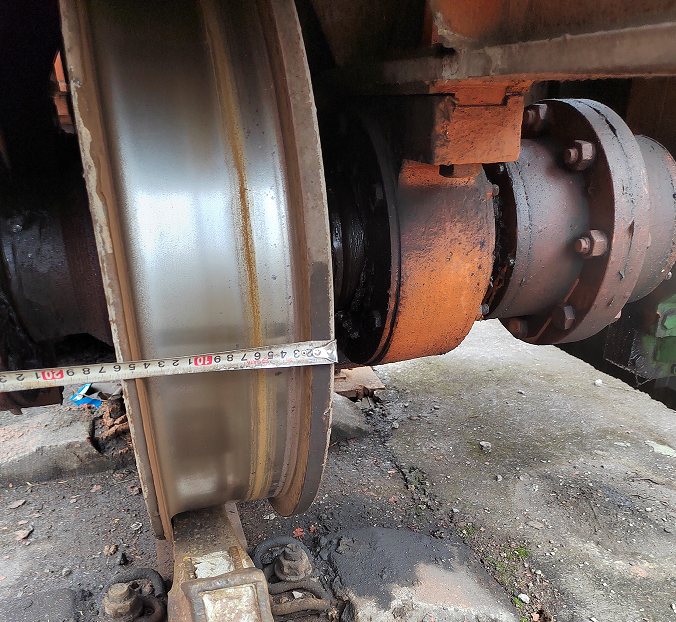
Crane wheel flange wear — the progressive damage caused by sustained contact between the wheel flange and the side of the running rail — does not resolve itself and cannot be managed by lubrication alone. Once the underlying cause is identified, corrective work must be sequenced correctly: applying adjustments in the wrong order wastes time, produces misleading results, and in some cases redistributes the contact force without eliminating it. The problem is known by several names depending on where you operate. North American engineers typically call it rail biting or crane skewing. European maintenance teams use flange rubbing. In Chinese and much of Asian crane industry practice, the direct term rail gnawing (啃轨) is common. UK and Indian engineers working with European-origin cranes often refer to the trolley mechanism as the crab and describe the same phenomenon as crab flange wear. Whatever the terminology, the corrective approach is the same. This article covers five field-correctable solutions — with step-level procedures where the work involves physical adjustment — and five engineering improvements for cases where standard corrections are insufficient or where…

اقرأ المزيد
severe-crane-wheel-flange-wear-damage
10 September 2026

Crane Wheel Flange Wear: 5 Warning Signs and 6 Root Causes in Bridge and Gantry Cranes

Wheel flange wear — the sustained, forceful contact between a crane wheel flange and the side of the rail — is one of the most damaging and persistent faults in overhead and gantry crane operation. Left unaddressed, it accelerates wear on both wheels and rails, increases running resistance, distorts the crane’s metal structure, and in severe cases leads to derailment and serious injury. The problem goes by several names depending on where you are. Wheel flange wear is the most widely recognized term internationally and appears in most maintenance standards and inspection checklists. Engineers and maintenance teams also encounter it as flange rubbing in European technical documentation, rail biting in North American maintenance manuals, and rail gnawing (啃轨) in Chinese technical literature — a direct translation that has become widely understood across the global crane industry. Whatever the terminology, the underlying mechanics and the diagnostic approach are the same. This article covers what wheel flange wear looks like in the field, how to identify it early, and — critically — how to distinguish between the six categories of root cause…

اقرأ المزيد
material handling cranes
09 September 2026

Material Handling Cranes: Types, Applications, and How to Choose the Right Crane

Material handling cranes include overhead cranes, gantry cranes, jib cranes, and monorail crane systems. Users operate this equipment in factories, warehouses, and logistics facilities to lift, move, and position materials. Selecting the appropriate crane depends not only on lifting capacity but also on load capacity, span, lifting height, duty class, and on-site conditions. Next, this article will introduce the definition of material handling cranes, describe the types of cranes commonly used in factories, warehouses, and specialized facilities, and discuss the practical considerations that determine which crane configuration should be selected for specific applications. What Are Material Handling Cranes? Material handling cranes are lifting systems used to lift, move, position, and transfer loads within a specific work area (typically located inside or around industrial facilities). This term does not refer to a single crane design but rather encompasses a class of equipment—including overhead cranes, gantry cranes, jib cranes, and monorail systems—that are specifically designed to support material flow in manufacturing, warehousing, and logistics operations. Note: “Material handling” refers to the movement, protection, storage, and control of materials throughout a facility, covering…

اقرأ المزيد
gantry crane and hoist
08 September 2026

Gantry Crane and Hoist: How They Work Together and How to Choose the Right System

Buyers researching lifting equipment often ask how a gantry crane and hoist relate to each other, and whether a hoist is something they need to specify separately. The short answer is that a gantry crane cannot lift anything without a hoist, and a hoist cannot move a load across a facility without the structure a gantry crane provides. The gantry crane structure—including the legs, main girder, end beams, and travel wheels—is responsible for supporting the lifting system and changing its position. The hoist itself is responsible for performing vertical lifting and lowering movements. If equipped with a trolley, the trolley moves the hoist laterally along the main girder, while the gantry crane as a whole moves longitudinally along the track or ground path. Only by understanding how these three types of motion—hoisting, lateral travel, and longitudinal travel—work together can buyers select a system that truly meets their load, span, and operating conditions. Next, this article will describe the synergistic relationship between the gantry crane and hoist. Please continue reading. What Is a Gantry Crane and Hoist? A gantry crane and…

اقرأ المزيد
رافعة نقل القوارب
07 September 2026

Yacht Lift Explained: Types, How to Choose, and What It Costs

Yacht lift equipment spans a price range from around $18,000 to well over $500,000 — and choosing the wrong type doesn’t just mean overspending, it means buying a machine that legally cannot do the job you need. The four main categories in commercial use — travel lift, boat jib crane, boat lift gantry crane, and shipyard gantry crane — serve fundamentally different tasks, and no amount of budget flexibility makes one a substitute for another. Marina operators, boatyard managers, and shipyard procurement teams face the same core difficulty: the term “yacht lift” is used loosely across the industry, covering everything from a 20-tonne quayside component crane to a 1,200-tonne superyacht mobile hoist. The equipment that handles full vessel haul-out for routine antifouling works on entirely different principles from the equipment used for engine removal or mast stepping at the dock. This guide covers every yacht lift type in VOITTO’s range, the selection criteria that matter, what certification to require before signing any purchase order, and realistic 2026 price references for each category. Quick Reference: Yacht Lift Types at a Glance…

اقرأ المزيد
gantry crane vs jib crane
04 September 2026

Gantry Crane vs Jib Crane: Which Crane Is Right for Your Application?

Choosing between a gantry crane vs jib crane is one of the most common questions users face when planning a new lifting system or replacing existing equipment. Both crane types lift and move loads safely, but they are built around fundamentally different working principles. This gantry crane vs jib crane comparison walks through structural design, working area, capacity, installation requirements, and cost factors so you can match the right crane to your operation — whether that means a jib crane vs gantry setup working side by side, or a single crane type covering the whole facility. Gantry Crane vs Jib Cantilever Crane: What Is the Difference? A gantry crane is a freestanding structure supported by legs that travel along the ground or on rails, enabling it to perform long-distance linear operations within a workshop or yard. A jib crane, on the other hand, consists of a fixed jib mounted on a column, wall, or floor base that rotates around a pivot point, covering a circular area with a limited radius. The choice between a gantry crane vs jib crane depends…

اقرأ المزيد
رافعة مغناطيسية
08 September 2026

Electromagnetic Crane Specifications & Selection Guide: Capacity, Duty Cycle, Magnet Type, and Key Buying Factors

Electromagnetic cranes for industrial use typically range from 5 to 64 tons lifting capacity, carry a market reference price of $18,000–$120,000+ depending on configuration, and are rated at work grade A5–A8 under ISO 4301 crane classification. If you’re sourcing one for a steel mill, scrapyard, or metal processing facility, the most common mistake isn’t picking the wrong capacity — it’s specifying the wrong magnet type or underestimating the duty cycle requirement, both of which affect whether the crane will actually survive your operating rhythm. This guide is for procurement managers and equipment engineers who are past the “what is an electromagnetic crane” stage and need a structured way to match specifications to their actual working conditions. You’ll find a quick-reference comparison table, a breakdown of the four key specification dimensions (crane type, magnet grade, duty cycle, and capacity), common buying mistakes that inflate real cost, and a checklist for evaluating supplier documentation. Quick Reference: QC vs QCL Electromagnetic Crane Specifications Before diving into selection logic, here’s the core comparison between the two standard electromagnetic crane configurations available from Voitto Crane:…

اقرأ المزيد
how does a hydraulic gantry lift system work
02 September 2026

How Does a Hydraulic Gantry Lift System Work?

A hydraulic gantry lift system does not lift heavy loads through pressure alone. Lifting force is the result of a chain of events: the hydraulic pump generates oil flow, resistance in the circuit builds system pressure, that pressure acts on the cylinder piston to produce lifting force, and multiple cylinders are synchronized by sensors and control valves to raise the load evenly. Once the target height is reached, valves hold the load in position, and a separate, valve-regulated process lowers it safely. This article explains each stage of that hydraulic gantry crane’s working principle in technical detail, from pump flow to controlled descent. The Basic Hydraulic Principle Behind Gantry Lifting Every hydraulic gantry crane lift system operates on the same physical principle: converting hydraulic energy into mechanical force by circulating fluid in a closed-loop system. The hydraulic pump does not directly move the load; instead, it delivers oil from the reservoir into the circuit. The flowing oil encounters resistance from the cylinder, the load, the valves, and the piping; it is this resistance that generates pressure. In turn, it is…

اقرأ المزيد
رافعة جسرية نصفية أحادية العارضة
04 September 2026

Semi Gantry Crane: When It’s the Right Structure and How to Specify It

A semi gantry crane is the most cost-effective indoor lifting upgrade available — but only when your site meets three specific structural conditions. For facilities that meet those conditions, it typically cuts civil construction cost by 25–40% compared with a full gantry crane covering the same working width. For facilities that don’t, specifying one anyway leads to either a failed structural assessment or an undersized crane that can’t handle the actual load cycle. Most selection guides stop at “use a semi gantry crane when floor space is limited.” That framing is accurate but incomplete. The real question procurement teams face is whether their building structure qualifies, which configuration matches the duty cycle, and what documentation to request before signing a purchase order. This guide answers all three. Voitto Crane supplies two semi gantry crane configurations: the BMH single-girder (2–16 t, $12,000–$40,000 market reference) and the BMG double-girder (5–320 t, $42,000–$70,000+). Both are referenced throughout with specifications taken directly from the Voitto product page. Quick Reference: BMH vs BMG at a Glance Parameter BMH Single Girder BMG Double Girder Lifting capacity…

اقرأ المزيد
29 August 2026

Red Flags When Sourcing a Lifting Equipment Manufacturer: A Buyer’s Checklist

Choosing the wrong lifting equipment manufacturer can cost far more than the price difference you saved. A crane that arrives without a valid CE Declaration of Conformity may be held at customs; one built to the wrong duty class can fail within months of installation. The damage — downtime, retrofit costs, liability exposure — typically runs several times the original equipment price. Most procurement mistakes at this stage don’t come from obvious scams. They come from manufacturers who look credible on paper but can’t support their claims with documentation. The warning signs are consistent and, once you know what to look for, straightforward to check before you commit to an order. This checklist covers seven red flags specific to overhead crane, gantry crane, and jib crane procurement. For each flag, you’ll find a concrete verification step you can run during the quoting stage — before any deposit changes hands. Quick Reference: Verification Checklist Red Flag What to Request Pass Threshold No CE documentation EC Declaration of Conformity Specific to your model, not generic Vague duty class specs FEM/ISO duty class…

اقرأ المزيد
أعلى