Для кранов, используемых на заводах по производству сборного железобетона, большинство поставщиков упускают из виду три момента: класс нагрузки, двухзонная компоновка и совместимость с оборудованием, расположенным под крюком. Двухбалочный мостовой кран, охватывающий литейный цех, обычно стоит около... $28,000–$95,000, в то время как наружный двухбалочный козловой кран для складских и погрузочных работ обычно работает следующим образом: $18,000–$120,000 — при этом окончательная цифра в гораздо большей степени определяется размахом крыла, классом нагрузки и характеристиками системы управления, чем исключительно тоннажем.
Заводы по производству сборных железобетонных конструкций работают с уникально сложным сочетанием нагрузок: тяжелые (балки и ригели обычно достигают 20–60 тонн), геометрически неудобные (длинные, асимметричные, с разработанными подъемными вставками в фиксированных точках) и многократно перемещаемые с высокой частотой циклов в течение смены. Кран, выбранный исключительно по номинальной грузоподъемности, но предназначенный для неправильного класса эксплуатации, достигнет предела технического обслуживания за долю своего расчетного срока службы — а в условиях производства сборных железобетонных конструкций незапланированные простои крана напрямую приводят к задержкам демонтажа и срыву сроков поставки.
В этом руководстве менеджеры по закупкам и инженеры по оборудованию помогут выбрать тип крана в зависимости от производственной зоны, рассмотрят ключевые параметры, влияющие на стоимость и надежность, требования к сертификации для таможенного оформления импорта, а также то, что необходимо подтвердить перед размещением заказа.
- 1 Краткий справочник: Типы кранов для заводов по производству сборного железобетона
- 2 Краны для производства сборного железобетона: почему стандартные характеристики не соответствуют требованиям.
- 3 Выбор подходящего типа крана в зависимости от производственной зоны
- 4 Основные характеристики, которые необходимо уточнить перед заказом.
- 5 Сертификация и соответствие требованиям
- 6 Установка и ввод в эксплуатацию
- 7 Заключение
-
8
ЧАСТО ЗАДАВАЕМЫЕ ВОПРОСЫ
- 8.1 В1: Нужен ли мне для завода по производству сборного железобетона и мостовой кран, и козловой кран?
- 8.2 В2: Какой класс нагрузки следует указать для мостового крана на заводе сборных железобетонных конструкций?
- 8.3 В3: Какой ценовой диапазон у кранов для заводов по производству сборного железобетона?
- 8.4 В4: Какую документацию CE мне следует запросить у поставщика кранов?
- 8.5 В5: Как рассчитать необходимую высоту подъема для козлового крана на заводе сборных железобетонных конструкций?
Краткий справочник: Типы кранов для заводов по производству сборного железобетона
| Зона | Рекомендуемый тип крана | Типовая емкость | Типичный диапазон | Класс службы FEM | Диапазон цен |
|---|---|---|---|---|---|
| Крытый цех литья и извлечения изделий из форм | Двухбалочный подвесной кран | 10–80 т | 15–30 м | M5-M6 | $28,000–$95,000 |
| Вспомогательные материалы для внутренних работ / подготовка к удалению плесени | Однобалочный подвесной кран | 3–20 т | 10–22 м | М3–М5 | $8,000–$32,000 |
| Работа местной станции в помещении | Стреловой кран | 0,5–5 т | Рукав 3–8 м | М3–М4 | $2,500–$12,000 |
| Открытая площадка для хранения | Двухбалочный козловой кран | 10–100 т | 18–40 м | M5-M6 | $18,000–$120,000 |
| Открытый двор, гибкая организация маршрута | Кран RTG | 35-70 t | 23–35 м | M5 | $85,000–$280,000+ |
| Уличный легкий/узкий двор | Однобалочный козловой кран | 2–20 т | 10–25 м | М3–М4 | $6,000–$28,000 |
Все цены указаны в рыночных диапазонах, основанных на ценах китайских поставщиков. Окончательная стоимость зависит от пролета, высоты, класса нагрузки, вариантов управления и места назначения. Перед заказом уточните технические характеристики у поставщика.
→ Нужен расчет стоимости конфигурации? Свяжитесь с инженерной командой Voitto Crane или напишите нам в WhatsApp.
Получить цитатуКраны для производства сборного железобетона: почему стандартные характеристики не соответствуют требованиям.


Условия эксплуатации гораздо сложнее, чем кажется по техническим характеристикам.
Сборный железобетон Производственные цеха относятся к числу наиболее суровых условий эксплуатации подъемного оборудования, и эти суровые условия часто не отражаются в стандартной смете на кран. Бетонная пыль состоит из кремнезема, имеет ультрамелкую фракцию и проводит электричество — она проникает в корпуса двигателей, загрязняет тормозные диски и ускоряет деградацию электрической изоляции. Влага от паровой обработки насыщает воздух и усугубляет проблему. Любой кран, используемый в литейном или твердеющем цехе без двигателей с классом защиты IP55 и герметичных панелей управления, потребует значительного незапланированного технического обслуживания в течение первых 12–18 месяцев эксплуатации.
Правильный ответ в технических характеристиках — это не просто “влагозащищенные двигатели”, а полный комплект защиты от пыли и влаги: корпуса двигателей со степенью защиты IP55 или выше, герметичные распределительные коробки, шкафы управления с избыточным давлением (где это возможно) и крепежные элементы из нержавеющей стали на компонентах тележки. Двухбалочные мостовые краны Voitto Crane стандартно оснащаются такой защитой для применения в железобетонных конструкциях; при запросе коммерческого предложения подтвердите степень защиты IP в письменной форме.
Реальным фактором, определяющим производительность, является частота циклов, а не номинальная грузоподъемность.
Наиболее распространенная ошибка при выборе кранов для заводов по производству сборного железобетона — это указание грузоподъемности крана без указания класса нагрузки. Кран с номинальной грузоподъемностью 32 тонны, но изготовленный в соответствии с классом нагрузки FEM M3 — предназначенный для периодической работы с небольшими циклами — сможет поднять балку весом 32 тонны, но если ваша производственная линия выполняет 40–80 подъемов за смену в пиковые периоды извлечения изделий из формы, то ресурс такого крана, рассчитанный на усталость материала, исчерпается за два-три года вместо десяти. В результате происходит преждевременный износ тормозов, выход из строя редуктора и усталость конструкции концевых тележек.
Практический порог: если ваш мостовой кран будет непрерывно выполнять производственные подъемные работы — перемещение форм, извлечение панелей из форм, перестановка арматурных каркасов — в течение всей смены, укажите это. Класс нагрузки FEM не ниже M5.. Для предприятий, работающих в две смены или автоматизирующих циклы формовки, M6 является более безопасным инженерным решением. Разница в стоимости между M3 и M5 для 20-тонного двухбалочного крана обычно составляет 15–251 тонн 3 тонны от цены оборудования — существенно меньше, чем стоимость одной крупной замены редуктора и связанного с этим простоя производства.
Выбор подходящего типа крана в зависимости от производственной зоны
Литье и извлечение изделий из форм в закрытых помещениях: двухбалочные мостовые краны.


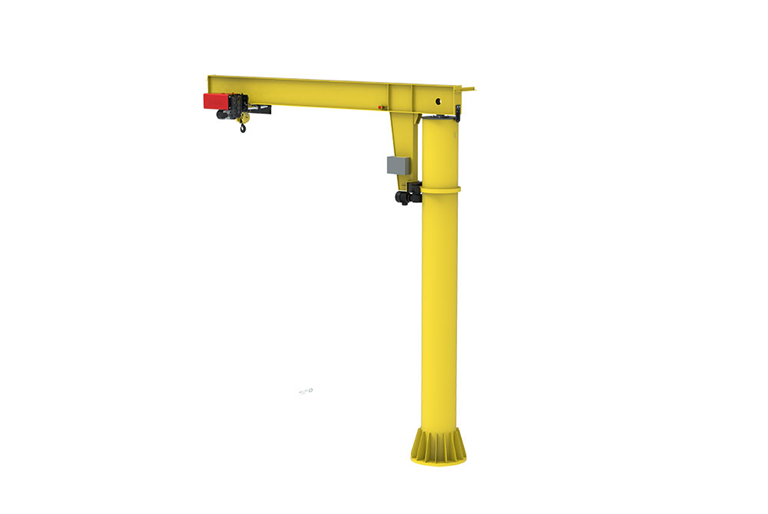
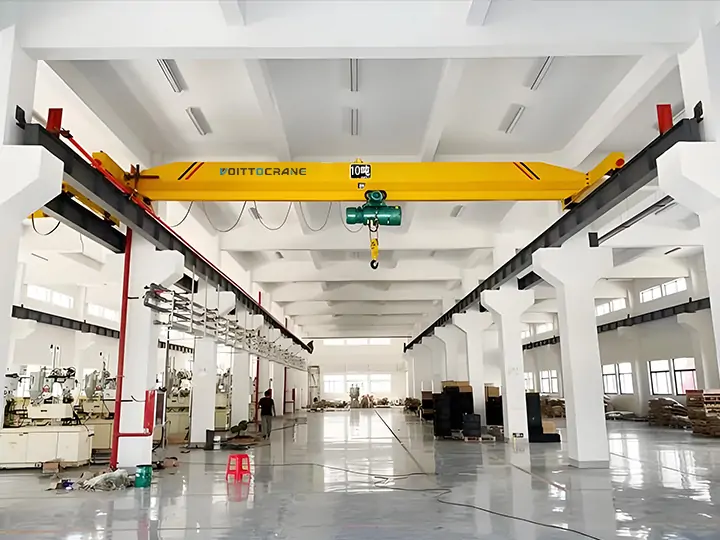
В литейном цехе точность работы крана имеет первостепенное значение, и двухбалочный мостовой кран — это подходящий инструмент для работы с грузами весом более 10 тонн в этой зоне. Двухбалочная конфигурация обеспечивает меньшую высоту подхода к крюку по сравнению с однобалочной конфигурацией при эквивалентной грузоподъемности — это критически важно, когда литейные площадки высокие или когда необходимо аккуратно снять только что извлеченную из формы балку без бокового смещения, которое может привести к растрескиванию краев элемента.
Двухбалочные мостовые краны Voitto Crane имеют грузоподъемность от 5 до 800 тонн и пролеты от 10 до 50 метров — один кран может обслуживать всю ширину даже большого литейного цеха без необходимости перевалки. Для предприятий, производящих балки мостов или большие стеновые панели весом от 20 до 60 тонн, стандартной рекомендацией Voitto является двухбалочный кран грузоподъемностью 32 или 50 тонн, сконфигурированный для класса нагрузки M5.
Для вспомогательных станций — подготовка опалубки, сборка арматурного каркаса, вспомогательный подъем — однобалочный мостовой кран Кран грузоподъемностью от 3 до 20 тонн (FEM M3–M4) обеспечивает экономически эффективное покрытие там, где частота циклов ниже. Конструкция с одной балкой обходится дешевле на начальном этапе и подходит для пролетов до 22 метров. Компромиссом является большая высота подхода к крюку и меньший практический потолок грузоподъемности, поэтому его не следует использовать в качестве основного крана на линии литья с высокой частотой циклов.
Для выполнения локальных задач на стационарных рабочих местах — позиционирование подъемных вставок, работа с мелкими компонентами пресс-форм — консольный кран (настенное или колонное крепление, диапазон грузоподъемности 0,5–5 тонн) освобождает мостовой кран для подъема грузов на производстве и уменьшает заторы на основной взлетно-посадочной полосе.
Открытые складские площадки: козловые краны и вопрос о пролете.
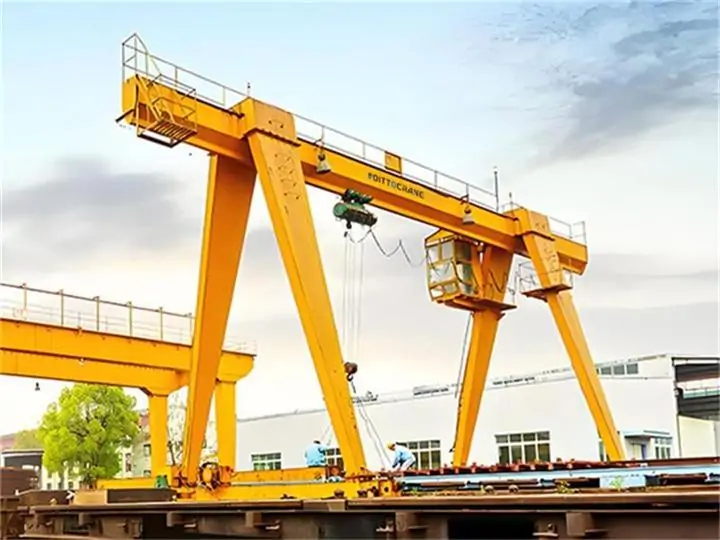
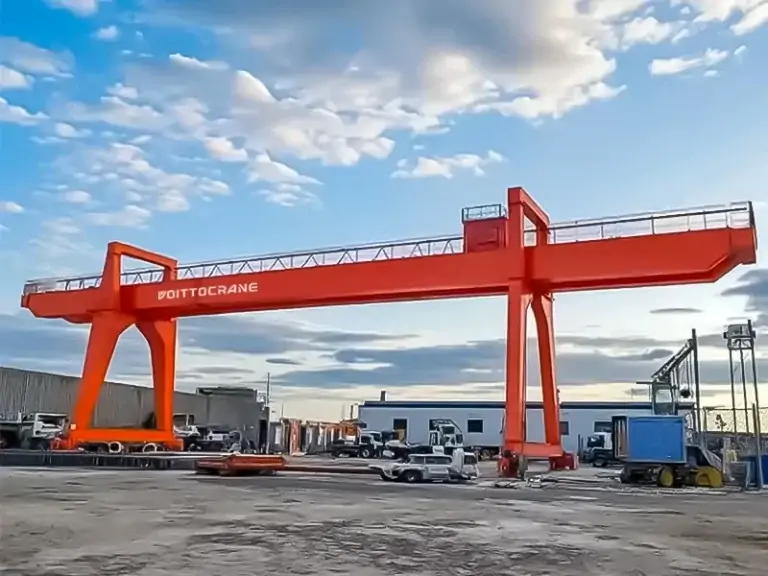

Выбор подходящих кранов для предприятий по производству сборного железобетона начинается с определения пролета, а не тоннажа. Для складских площадок требуется иное решение, чем для литейных цехов: компоненты укладываются рядами, грузовики прибывают и отправляются по расписанию, а кран должен перекрывать широкий пролет на открытом воздухе, выдерживая ветровые нагрузки, перепады температуры и переменчивые грунтовые условия. двухбалочный козловой кран Это стандартное решение для складских операций, связанных с обработкой элементов весом более 10 тонн, поскольку портальная рама является самонесущей — она не требует, чтобы конструкция здания поддерживала взлетно-посадочную полосу, что имеет решающее значение для открытых складских площадок без существующей инфраструктуры.
Покупатели обычно запрашивают максимально возможный пролет для покрытия складской площади, но козловой кран с пролетом 35–40 метров будет иметь значительно более высокую стоимость конструкционной стали, более жесткие допуски на прогиб и более сложные требования к фундаменту, чем кран с пролетом 20–25 метров. Практический подход заключается в том, чтобы рассчитать фактическое количество рядов хранения, необходимых вашему складу (большинство складов сборных железобетонных конструкций хранят элементы в 3–5 параллельных рядах), и рассчитать пролет так, чтобы он покрывал эти ряды плюс подъездные пути для грузовиков, а не ориентироваться на максимальную ширину склада. Двухбалочные козловые краны Voitto имеют пролет от 6 до 40 метров и грузоподъемность от 5 до 800 тонн. Вариант стандартного козлового крана FEM специально разработан в соответствии с европейскими правилами проектирования конструкций FEM — это напрямую актуально для покупателей, осуществляющих поставки в ЕС, регион СНГ или на рынки, которые используют европейские стандарты.
Для складских площадок, где компоненты необходимо перемещать между складскими отсеками без стационарной рельсовой инфраструктуры, Козловой кран на резиновых колесах (RTG) Предлагает гибкость без использования рельсов. Кран RTG от Voitto имеет грузоподъемность от 35 до 70 тонн. Компромиссом по сравнению с козловым краном на рельсах является более высокая стоимость эксплуатации (обслуживание шин, сложность приводной системы) и более низкая точность позиционирования — приемлемо для складирования и погрузки на площадке, но не подходит в качестве основного крана в операциях точного литья.
Двухуровневая система: почему одного типа крана редко бывает достаточно.
Большинству предприятий по производству сборных железобетонных конструкций значительных масштабов требуется два крана-манипулятора, а не один. Внутренний мостовой кран выполняет точные работы: выравнивание форм, извлечение элементов из форм, перемещение компонентов в зону твердения. Наружный козловой кран выполняет работы с большими объемами: перемещение затвердевших элементов на складские площадки и погрузка готовых элементов на транспортные средства.
Эти два слоя имеют принципиально разные требования к нагрузке, пролету и условиям окружающей среды. Попытка использовать мостовой кран для операций на площадке означает перегрузку литейного цеха и подвергание крана, предназначенного для работы в помещении, воздействию внешних условий. Попытка использовать портальный кран на площадке для точного литья в помещении снижает точность позиционирования крюка и может перегрузить конструкцию направляющих здания.
Практическая рекомендация для нового завода: планируйте оба уровня с самого первого дня, даже если портальный кран устанавливается на втором этапе. Точки крепления фундамента и рельсов для наружного крана следует включать в строительные работы одновременно с внутренней взлетно-посадочной полосой — модернизация фундаментов для наружного крана значительно дороже, чем ее выполнение на этапе первоначального строительства.
Планируете с нуля сконфигурировать краны для завода по производству сборного железобетона? Инженерная команда Voitto Crane может проанализировать ваш план помещения и предоставить двухъярусную конфигурацию крана с указанием стоимости в течение 48 часов.
Основные характеристики, которые необходимо уточнить перед заказом.
Грузоподъемность: учитывайте всю подъемную нагрузку.
Номинальная грузоподъемность крана должна покрывать вес самого тяжелого элемента плюс вес всего оборудования, расположенного ниже крюка — траверсы, подъемной балки, строповой системы или зажима. Для 30-тонной сборной балки, поднимаемой с помощью траверсы и строп весом 1,2 тонны, требуемая грузоподъемность крана составляет минимум 31,2 тонны, а в инженерной практике рекомендуется указывать следующую стандартную величину грузоподъемности (32 тонны) с учетом коэффициента запаса прочности. Никогда не указывайте грузоподъемность крана, равную только весу самого элемента.
Высота подъема: показатель, который большинство покупателей недооценивают.
Общая требуемая высота подъема равна: высоте элемента + зазору над самой высокой штабелью (обычно 0,5–1 м над вершиной штабеля при работе на складской площадке) + длине такелажа под крюком (глубина траверсы плюс длина стропа) + высоте подъема (расстояние от крюка до балки в самой высокой точке, которое варьируется в зависимости от модели лебедки). Отсутствие данных о длине такелажа или высоте подъема является наиболее распространенной ошибкой в расчетах, и это приводит к тому, что кран не может выполнять погрузочные операции над штабелированной площадкой — ошибка в спецификации, исправление которой после установки обходится дорого.
Класс обязанности: получите письменное подтверждение.
В заказе на покупку четко укажите класс нагрузки FEM — не “тяжелая нагрузка” или “промышленное использование”, а конкретную классификацию FEM (от M3 до M8 в соответствии с FEM 1.001 или эквивалентной рабочей группой ISO 4301). Попросите поставщика подтвердить в письменной форме, какой класс применяется к подъемнику, конструкции крана и механизмам перемещения отдельно, поскольку они могут различаться. Для большинства предприятий по производству сборных железобетонных конструкций, работающих в полную смену, минимально допустимым является класс M5.
Сертификация и соответствие требованиям
Маркировка CE и Директива ЕС о машиностроении
Для покупателей, импортирующих товары в Европейский Союз или ЕЭЗ, Маркировка CE Это требование законодательства в соответствии с Директивой ЕС о машиностроении (2006/42/EC). Это не знак качества — это заявление производителя о том, что оборудование соответствует основным требованиям Директивы в области охраны труда и техники безопасности. Без него кран не может быть законно введен в эксплуатацию в ЕС. Запросите Декларация соответствия ЕС и подтвердить наличие технической документации на конструкцию; одной лишь физической маркировки CE на табличке недостаточно для подтверждения соответствия требованиям.
Требования EAC, OSHA и другие требования, специфичные для конкретного рынка.
Для покупателей из России, Казахстана, Беларуси и других стран Евразийского экономического союза., сертификация EAC Это эквивалентное требование, подтверждающее соответствие Техническим регламентам Таможенного союза, касающимся безопасности подъемного оборудования.
Для покупателей в Северной Америке эксплуатация кранов регулируется правилами OSHA (29 CFR Часть 1910 для общей промышленности), и покупатели должны убедиться, что конструкция крана соответствует этим правилам. ASME B30 стандарты, на которые широко ссылаются в спецификациях закупок и страховом андеррайтинге.
FEM 1.001 является основой для определения класса нагрузки и классификации конструкций. Стандартный козловой кран FEM от Voitto Crane спроектирован в соответствии с правилами проектирования конструкций методом конечных элементов. ISO 9001 Сертификация производственного предприятия подтверждает наличие документированной системы управления качеством и отслеживаемости материалов — запросите действующий сертификат и проверьте орган по аккредитации и срок его действия.
Документы, которые необходимо запросить перед оформлением заказа.
- Декларация соответствия ЕС — Необходимо указать Директиву, любой уполномоченный орган и уполномоченного подписанта.
- Сертификат испытаний на перегрузку — Испытание на прочность при нагрузке 110–1251 Т3 тонн номинальной грузоподъемности, проведенное в присутствии наблюдателей и задокументированное.
- Сертификат ISO 9001 — проверьте орган по аккредитации и срок действия аккредитации.
- записи о предохранительных устройствах — калибровка ограничителя перегрузки, результаты испытаний концевых выключателей, схема цепи аварийной остановки
Поставщик, который не может предоставить эти документы до размещения заказа, имеет неопределенный статус сертификации, и эта неопределенность напрямую влияет на соответствие вашего предприятия требованиям законодательства и наличие страхового полиса.
Установка и ввод в эксплуатацию
Гражданские и строительные предпосылки
Допуск на горизонтальность рельсов для мостовых кранов обычно составляет ±1 мм на пролете 2 метра и ±10 мм по всей длине рельсового пути — необходимо сверять с техническими условиями поставщика. Отклонения за пределы допуска приводят к боковым нагрузкам на колеса, которые ускоряют износ концевых тележек и вызывают преждевременную усталость рельсовых креплений. Для наружных козловых кранов глубина фундамента и характеристики анкерных болтов должны учитывать местную зону ветровой нагрузки; козловые краны, используемые на открытых площадках, являются наиболее подверженным воздействию ветра типом кранов и требуют инженерной проверки конструкции анкеров до начала строительных работ.
Контрольный список для ввода в эксплуатацию перед запуском
Перед вводом крана в эксплуатацию необходимо проверить:
- Все концевые выключатели (верхний/нижний, концевой ход крана, концевой ход тележки) проверены и правильно настроены.
- Ограничитель перегрузки откалиброван и задокументирован при номинальном значении.
- Проверка работы аварийной остановки проводилась со всех положений подвесного и дистанционного управления.
- Момент удержания тормозов проверен под нагрузкой.
- Предохранительная защелка крюка присутствует и находится в рабочем состоянии.
- Система предотвращения столкновений (если установлена на взлетно-посадочной полосе для нескольких кранов) введена в эксплуатацию и протестирована.
- Испытательный подъем груза грузоподъемностью 100% завершен и задокументирован.
Заключение
Для работы в отрасли производства сборного железобетона краны выбираются в первую очередь по производственной зоне, затем по классу нагрузки, а затем по экологическим характеристикам — именно в таком порядке. Козловой кран для площадки и мостовой кран для цеха литья дополняют друг друга, а не дублируют — они выполняют разные задачи, которые нельзя объединить в один тип крана без ущерба для точности или производительности. В качестве минимального требования к крану для работы в полную смену указывайте класс FEM M5, учитывайте вес груза под крюком при каждом расчете грузоподъемности и требуйте полную сертификационную документацию перед размещением заказа.
Готовы подобрать подходящую крановую систему для вашего завода по производству сборных железобетонных конструкций? Отправьте в компанию Voitto Crane план помещения, диапазон веса элементов и данные о смещении — и мы предложим вам рекомендуемую конфигурацию с ценами в течение 48 часов.

Алан
Специалист по крановым решениям · Voitto Crane
Специализируется на производстве мостовых кранов, козловых кранов, стреловых кранов, портовых кранов и кранов EOT. Более 10 лет помогает глобальным клиентам в проведении предпродажных консультаций, выборе грузоподъемности и конфигураций для конкретного объекта.
ЧАСТО ЗАДАВАЕМЫЕ ВОПРОСЫ
В1: Нужен ли мне для завода по производству сборного железобетона и мостовой кран, и козловой кран?
Большинству предприятий по производству сборных железобетонных конструкций в промышленных масштабах необходимы оба типа кранов. Мостовые краны выполняют точные работы внутри помещений — литье, извлечение из форм, перестановка форм — где точность крюка и контролируемое движение имеют решающее значение. Козловые краны работают на открытой площадке: штабелируют готовые элементы и загружают транспортные средства. Использование одного типа кранов для обеих зон обычно означает компромисс в отношении точности внутри помещений или подвергание оборудования, предназначенного для работы внутри помещений, воздействию внешних условий.
В2: Какой класс нагрузки следует указать для мостового крана на заводе сборных железобетонных конструкций?
Для литейного цеха, работающего в полную смену, следует указывать класс нагрузки FEM не ниже M5. Если кран будет выполнять 40–80 или более подъемов за смену в пиковые периоды извлечения изделий из форм, или если вы работаете в две смены, то более обоснованным инженерным решением будет класс нагрузки M6. Указание класса нагрузки M3 или M4 для производственного крана с целью экономии первоначальных затрат обычно приводит к преждевременному износу редуктора и тормозов, а интервалы капитального технического обслуживания наступают в два-три раза раньше, чем истекает номинальный расчетный срок службы крана.
В3: Какой ценовой диапазон у кранов для заводов по производству сборного железобетона?
Ориентировочные рыночные цены (цены китайских поставщиков): однобалочные мостовые краны для вспомогательных задач обычно стоят от $8 000 до $32 000; двухбалочные мостовые краны для производственных цехов литья — от $28 000 до $95 000; двухбалочные козловые краны для открытых площадок — от $18 000 до $120 000; краны RTG — от $85 000 и выше. Окончательная стоимость в основном зависит от пролета, высоты подъема, класса нагрузки и характеристик системы управления. Для получения цены на конкретную конфигурацию свяжитесь с компанией Voitto Crane, указав габариты вашей компоновки.
В4: Какую документацию CE мне следует запросить у поставщика кранов?
Запросите Декларацию соответствия ЕС (с указанием Директивы 2006/42/EC о машинах, уполномоченного лица, подписавшего ее, и любого уполномоченного органа), сертификат испытаний на перегрузку, а также действующий сертификат ISO 9001 поставщика с указанием аккредитационного органа и срока действия. Наличие только физической маркировки CE на заводской табличке недостаточно для подтверждения соответствия. Для рынков ВАС запросите сертификат соответствия ВАС в соответствии с соответствующим Техническим регламентом Таможенного союза.
В5: Как рассчитать необходимую высоту подъема для козлового крана на заводе сборных железобетонных конструкций?
Добавьте четыре компонента:
(1) высота самого высокого элемента
(2) зазор над самой высокой штабелью хранения — обычно 0,5–1 м над вершиной штабеля
(3) длина такелажа ниже крюка, включая траверсу и стропы.
(4) высота подъема в самом высоком положении, которая зависит от модели подъемника.
Наиболее распространенная ошибка — несоблюдение необходимой длины такелажа или высоты статического натяжения, из-за чего кран не может завершить погрузку на складской площадке.




 English
  Español
  Português
  العربية
  Français
  Русский