Tipos de plataformas elevadoras para almacenes
Los distintos entornos de almacén imponen diferentes exigencias a la altura de trabajo, las dimensiones de la plataforma, la capacidad de carga y la maniobrabilidad de las plataformas elevadoras. Para aplicaciones como el mantenimiento de estanterías de gran altura, operaciones en pasillos estrechos, servicio de equipos y mantenimiento de grandes almacenes, VIOTTO ofrece una gama de soluciones de plataformas elevadoras para almacenes, incluyendo plataformas de tijera, plataformas de mástil y plataformas aéreas autopropulsadas. También ofrecemos diseños a medida adaptados a sus condiciones operativas específicas, lo que le permite realizar trabajos en altura de forma más segura, eficiente y estable en diversos entornos de almacenamiento y mantenimiento industrial.
Plataforma elevadora de tijera para almacén
Diseñada con una amplia plataforma de trabajo y una alta capacidad de carga, resulta adecuada para operaciones de elevación estables y mantenimiento por parte de varias personas.
- Altura de trabajo: 6–18 m
- Capacidad de carga: 300–1000 kg
- Dimensiones de la plataforma: 1,8 × 0,9 m – 3,0 × 1,5 m
- Alimentación: Batería / CA / Hidráulica
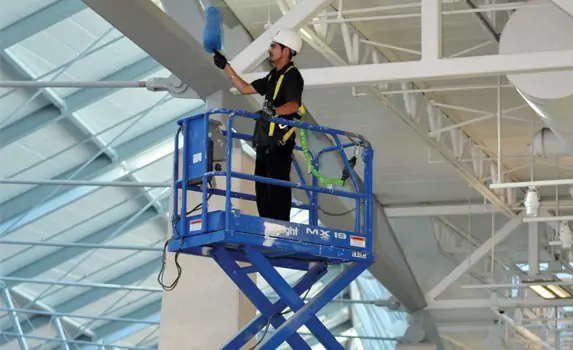
Aplicaciones: Adecuado para el mantenimiento de la iluminación de almacenes, el servicio de equipos, la reparación de techos y el mantenimiento de grandes instalaciones.
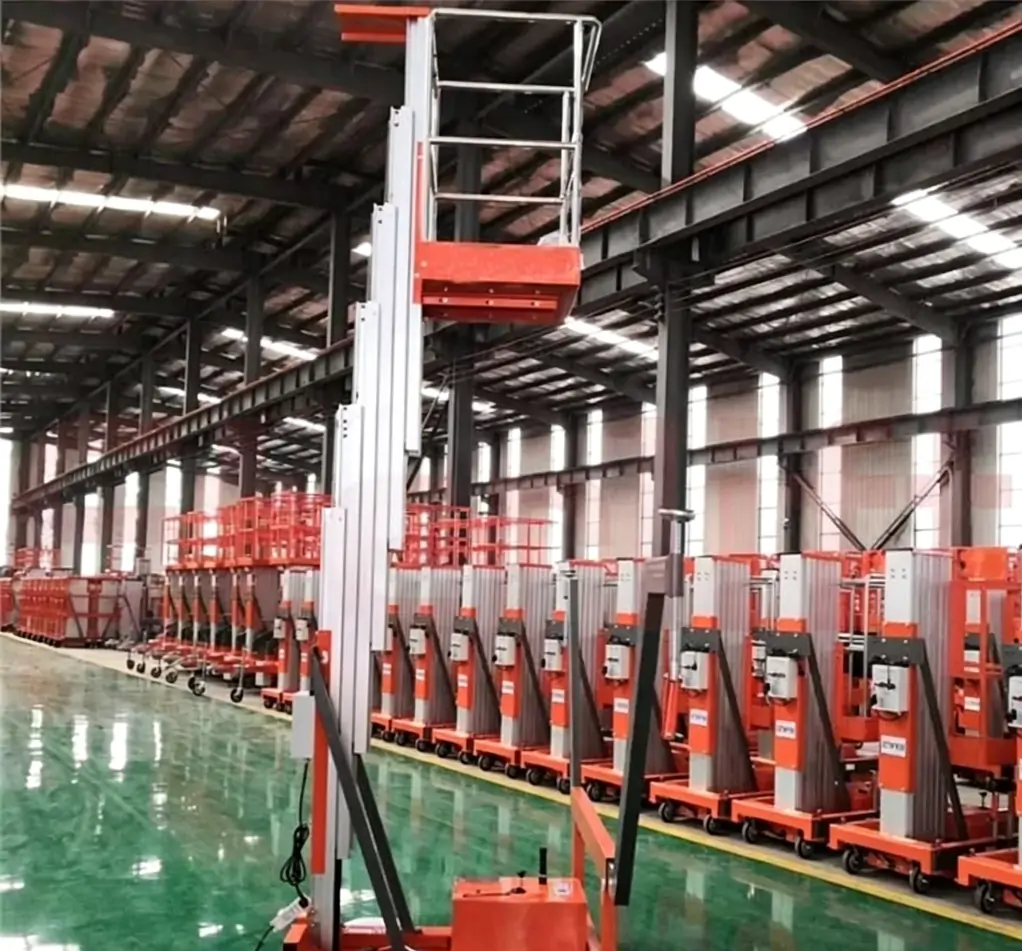
Elevador de mantenimiento de almacén de un solo mástil
Presenta una estructura compacta y un diseño ligero, ideal para pasillos estrechos y trabajos de mantenimiento en interiores realizados por un solo operario.
- Altura de trabajo: 6-12 m
- Capacidad de carga: 100–150 kg
- Tamaño de la plataforma: 0,65 × 0,60 m
- Fuente de alimentación: CA / Batería
Aplicaciones: Se utiliza para la inspección de estanterías, la sustitución de luces, la comprobación de inventario y el mantenimiento en espacios de almacén reducidos.
Plataforma elevadora de almacén de doble mástil
Proporciona mayor estabilidad de elevación y mayor altura de trabajo, manteniendo al mismo tiempo un tamaño compacto.
- Altura de trabajo: 8-16 m
- Capacidad de carga: 150–250 kg
- Tamaño de la plataforma: 1,2 × 0,6 m
- Fuente de alimentación: CA / Batería
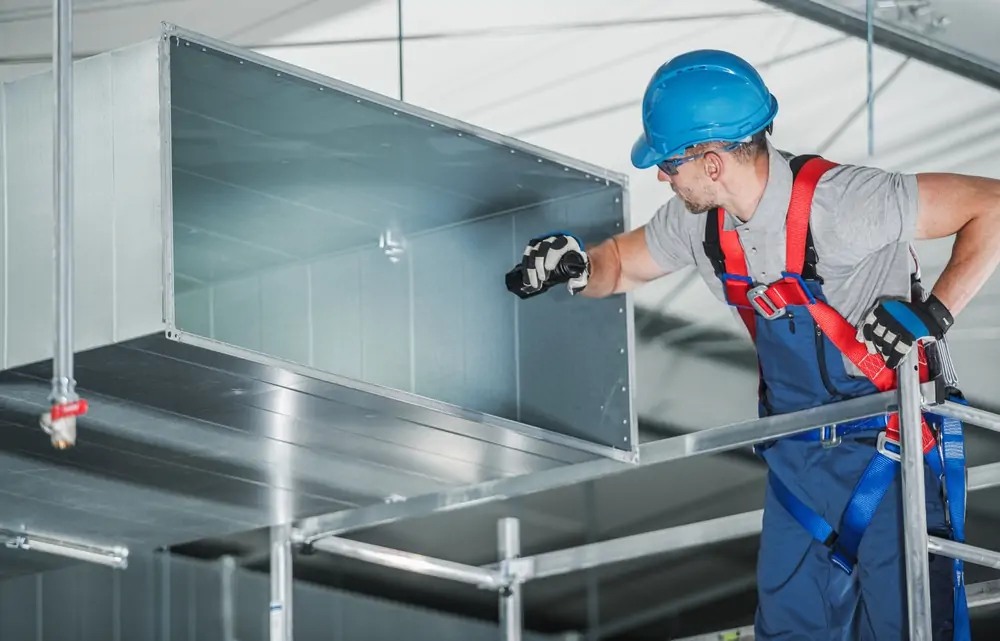
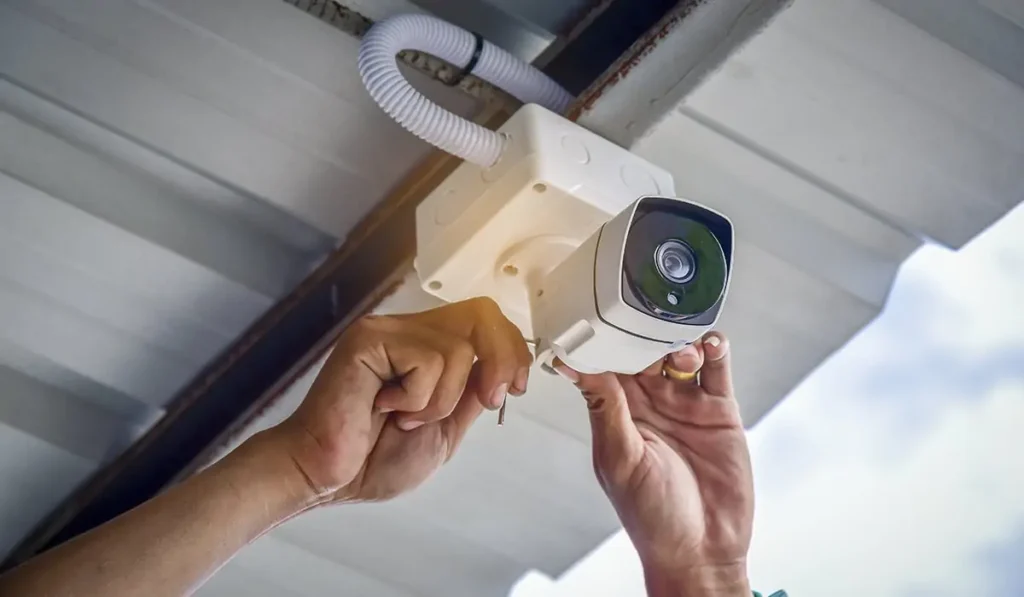
Aplicaciones: Adecuado para trabajos en techos de almacenes, mantenimiento de sistemas de climatización, instalación de equipos de seguridad y tareas de reparación en altura.
Plataforma elevadora hidráulica autopropulsada para almacén
Equipado con capacidad de conducción autónoma para un movimiento eficiente y un funcionamiento continuo en grandes áreas de almacén.
- Altura de trabajo: 8-14 m
- Capacidad de carga: 230-450 kg
- Velocidad de desplazamiento: 3–5 km/h
- Tipo de alimentación: Alimentado por batería
Aplicaciones: Ampliamente utilizado en centros logísticos, almacenes de distribución y proyectos de mantenimiento que requieren movimientos frecuentes.
Plataforma elevadora eléctrica para almacén industrial
Su diseño alimentado por batería ofrece un funcionamiento silencioso y un rendimiento óptimo para entornos industriales interiores.
- Altura de trabajo: 6–16 m
- Capacidad de carga: 200–500 kg
- Tipo de alimentación: Batería eléctrica
- Extensión de plataforma: opcional
Aplicaciones: Ideal para fábricas, almacenes, instalaciones de almacenamiento minorista y operaciones de mantenimiento industrial en interiores.
Ventajas
Una plataforma elevadora para almacenes ofrece una solución práctica y eficiente para tareas de mantenimiento y operación en altura. En comparación con las escaleras y andamios tradicionales, mejora la seguridad laboral, reduce el tiempo de mantenimiento y ofrece mayor flexibilidad en entornos de almacén.
- Plataforma de trabajo segura y estable: equipada con barandillas, sistemas de seguridad y estructuras de elevación estables para operaciones en altura más seguras.
- Operaciones de mantenimiento eficientes: Permite un acceso más rápido a las áreas de trabajo y mejora la productividad durante las tareas de mantenimiento.
- Flexibilidad de movimiento y funcionamiento: Disponemos de varios modelos para pasillos estrechos, espacios amplios y diferentes diseños de almacén.
- Rendimiento de elevación hidráulica impecable: El sistema de elevación hidráulica de la plataforma del almacén proporciona una elevación estable y un funcionamiento fiable.
- Adecuado para diversas alturas de trabajo: Disponible en diferentes alturas de elevación y capacidades de carga para satisfacer diversas necesidades de mantenimiento.
- Menores costes de mano de obra y mantenimiento: Reduce el esfuerzo manual y contribuye a mejorar la eficiencia operativa general.
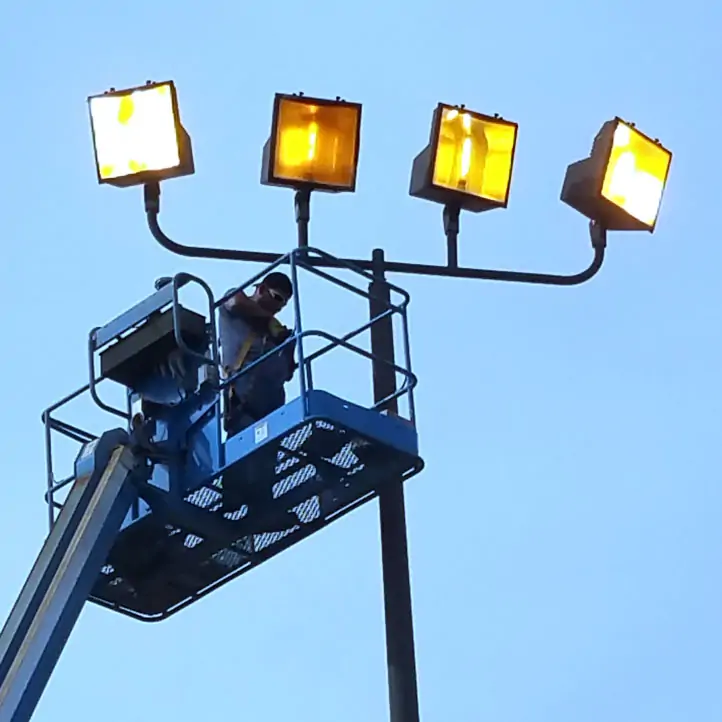
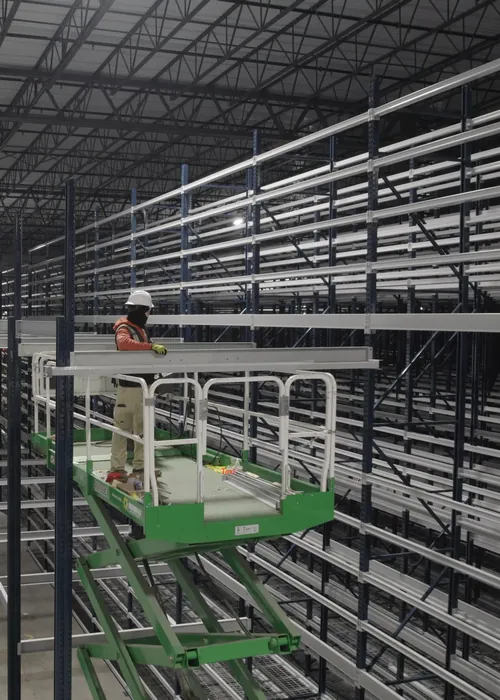
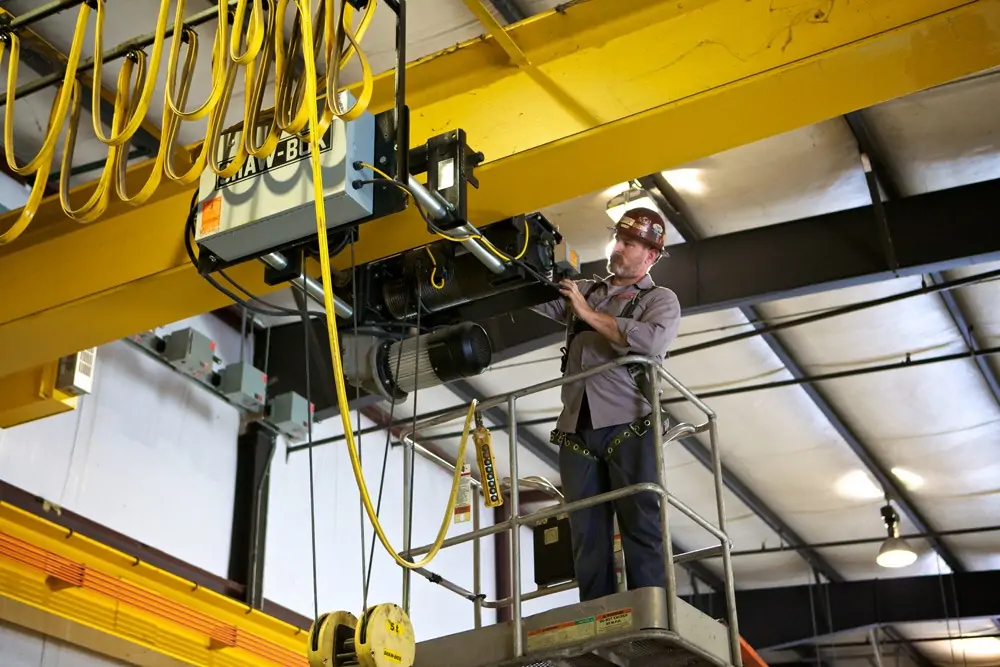
Aplicaciones comunes para el mantenimiento de almacenes
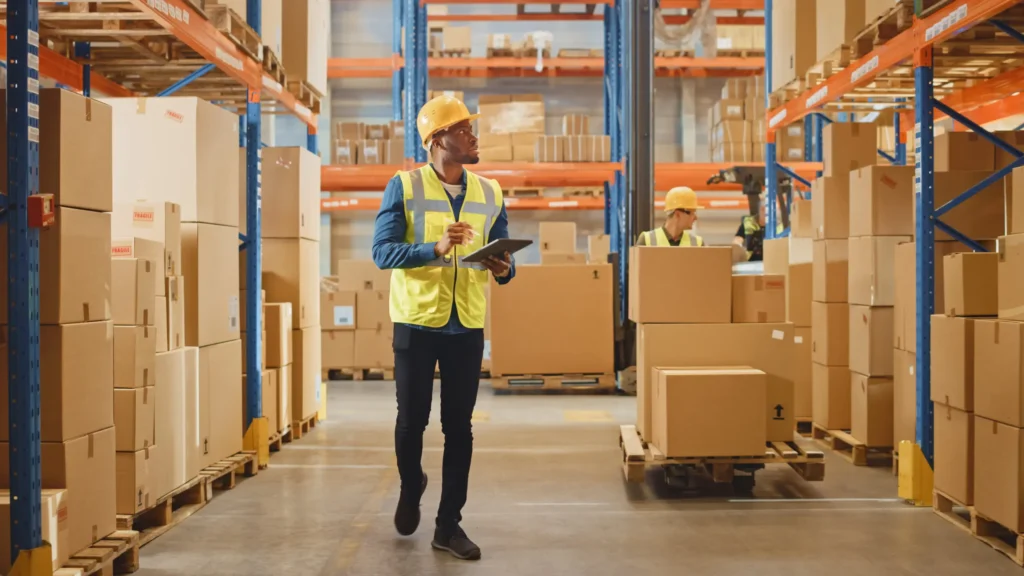
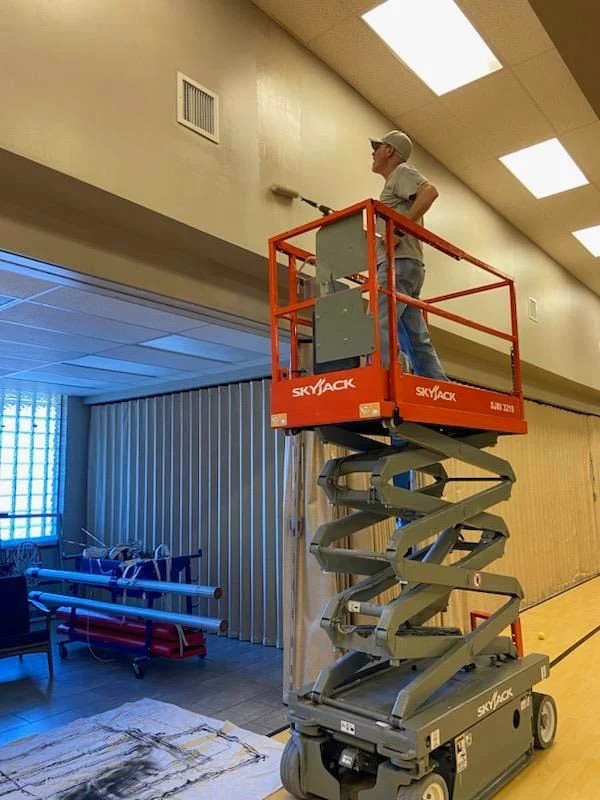
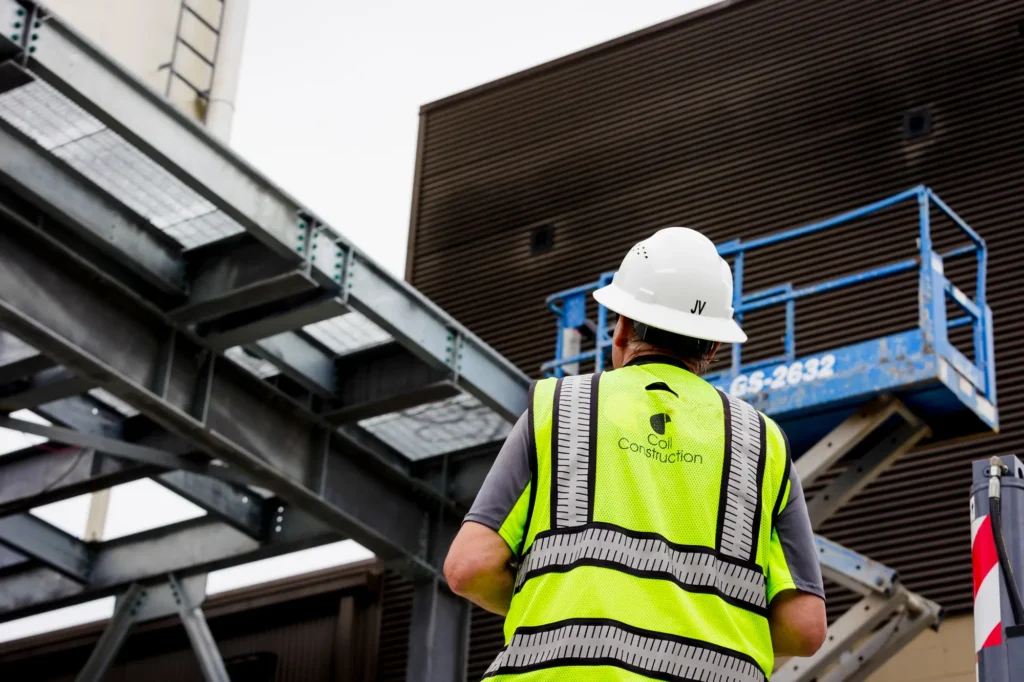
La plataforma elevadora para almacenes se utiliza ampliamente para el acceso en altura, el mantenimiento, la inspección y los trabajos de instalación en almacenes y entornos industriales.
Cómo elegir una plataforma elevadora para almacén
La elección de la plataforma elevadora adecuada para su almacén depende de su entorno de trabajo, las necesidades de la aplicación y los requisitos de seguridad. Una configuración apropiada garantiza un funcionamiento más seguro, una mayor eficiencia y una vida útil más prolongada del equipo.
- Requisito de altura de trabajo: Determine la altura máxima necesaria para tareas de mantenimiento como iluminación, estanterías o trabajos en el techo.
- Capacidad de carga: Elija en función del número de operarios y herramientas necesarios durante la operación.
- Uso en interiores o exteriores: seleccione modelos eléctricos o hidráulicos según si la plataforma se va a utilizar en interiores o en entornos mixtos.
- Tamaño de la plataforma: Asegúrese de que la plataforma ofrezca suficiente espacio para los operarios y las herramientas de mantenimiento.
- Tipo de movilidad: Decida entre modelos estacionarios, de empuje o autopropulsados en función de las necesidades de eficiencia operativa.
- Sistema de alimentación: Se pueden seleccionar sistemas de elevación de plataformas de almacén alimentados por baterías, por corriente alterna o hidráulicos, según las condiciones del lugar.
- Accesibilidad en pasillos estrechos: Para espacios de almacén reducidos, los modelos compactos de elevadores de mantenimiento son más adecuados.
Elegir la plataforma elevadora industrial adecuada para almacenes garantiza un funcionamiento más seguro, una mayor productividad y un mejor rendimiento a largo plazo en las aplicaciones de mantenimiento de almacenes.
Medidas de seguridad para trabajos de mantenimiento en almacenes
La seguridad es uno de los factores más importantes a la hora de seleccionar una plataforma elevadora para trabajos de mantenimiento en almacenes. En almacenes e instalaciones industriales, los operarios suelen trabajar en altura cerca de estanterías, cintas transportadoras, sistemas de iluminación, equipos de climatización y pasillos estrechos. Un sistema de elevación estable, combinado con una protección de seguridad fiable, puede reducir significativamente los riesgos operativos, los daños a los equipos y las paradas inesperadas.
Según la experiencia real en el mantenimiento de almacenes, muchos accidentes no se deben a fallos en el sistema de elevación en sí, sino a un funcionamiento incorrecto, sobrecarga de la plataforma, superficies resbaladizas, suelos irregulares o situaciones de emergencia sin sistemas de seguridad de respaldo. Por ello, las plataformas elevadoras modernas para el mantenimiento de almacenes deben estar equipadas con múltiples sistemas de protección de seguridad, tanto activos como pasivos, para garantizar un funcionamiento estable y seguro en diferentes entornos de trabajo.
Las plataformas elevadoras para almacenes VIOTTO están diseñadas de acuerdo con las normas de seguridad internacionales, como los requisitos de OSHA, la certificación CE y las normas ANSI. Cada plataforma está equipada con múltiples características de seguridad para ayudar a los operarios a realizar trabajos de mantenimiento de forma más segura y eficiente.
Para más detalles, consulte este artículo: Cómo utilizar con seguridad un elevador de tijera con plataforma extensible
¿Por qué elegirnos?
Ofrecemos soluciones fiables de plataformas elevadoras para almacenes, diseñadas para operaciones de mantenimiento industrial y de almacenes seguras y eficientes. Con un enfoque en la calidad, la personalización y el rendimiento a largo plazo, nuestros equipos se utilizan ampliamente en centros logísticos, almacenes e instalaciones industriales.
- Soluciones a medida: Ofrecemos configuraciones personalizadas para diferentes alturas de trabajo, capacidades de carga y entornos operativos.
- Fabricación de alta calidad: Todos los productos de elevación para el mantenimiento de almacenes están fabricados con un estricto control de calidad y materiales duraderos de grado industrial.
- Tecnología hidráulica estable: Los avanzados sistemas hidráulicos de elevación de plataformas para almacenes garantizan un rendimiento de elevación fluido y una fiabilidad operativa.
- Amplia gama de productos: Disponemos de múltiples modelos, incluyendo plataformas elevadoras de tijera, plataformas elevadoras de mástil y plataformas autopropulsadas para diversas aplicaciones.
- Sólidas normas de seguridad: Equipado con sistemas de protección de seguridad para garantizar un funcionamiento estable y seguro en altura.
- Soporte técnico profesional: Un equipo de ingeniería experimentado ofrece orientación desde la selección hasta el servicio posventa.
- Capacidad de suministro global: Nuestras soluciones de plataformas elevadoras para almacenes industriales se exportan a todo el mundo y cuentan con una probada experiencia en el sector.
Elegirnos significa obtener una solución más segura, eficiente y fiable para el mantenimiento de almacenes.
Fabricante y proveedor de plataformas elevadoras para almacenes
VIOTTO Somos un fabricante profesional de plataformas elevadoras para almacenes, ofreciendo equipos seguros y fiables para el mantenimiento industrial y de almacenes. Nuestros productos incluyen plataformas elevadoras de tijera, plataformas elevadoras de mástil y plataformas hidráulicas diseñadas para un trabajo en altura eficiente en diversos entornos. Gracias a nuestro estricto control de calidad y rendimiento estable, nuestras plataformas elevadoras para mantenimiento de almacenes y plataformas elevadoras industriales se utilizan ampliamente en los mercados globales.
VIOTTO ofrece soluciones personalizadas de plataformas elevadoras hidráulicas para almacenes, adaptadas a la altura de trabajo y a las necesidades de su aplicación. Póngase en contacto con nosotros Para obtener asistencia técnica, precios y recomendaciones personalizadas para su proyecto.





 English
  Español
  Português
  العربية
  Français
  Русский