blog

RTG rubber tyred gantry crane
31 July 2026

Cranes for the Shipbuilding Industry: Types, Specs & How to Choose the Right One

Shipyards need more than a generic crane — they need the right lifting solution matched to each production zone. A double girder overhead crane covering a steel-plate fabrication hall operates under completely different load cycles and environmental stresses than a gantry crane straddling an open dry dock. Get the match wrong and you’re looking at chronic production delays, accelerated corrosion failure, or a crane that physically can’t reach what it needs to lift. For most mid-size shipbuilding yards, the core fleet typically spans two to four crane types: overhead cranes for indoor fabrication bays, gantry or rail gantry cranes for block assembly and dry docks, and jib cranes for outfitting stations and quayside repair. Market reference prices from Chinese manufacturers start around $15,000–$35,000 for industrial-grade overhead cranes and rise to $80,000–$300,000+ for heavy gantry systems — depending on capacity, span, and corrosion protection grade. This guide walks through each crane type used in shipbuilding, the key specs that determine fit, what corrosion and duty ratings to demand, and how to verify compliance before signing a purchase order. Quick Reference: Cranes…

READ MORE
electric rotating crane hook -1
24 July 2026

Crane Hook Set: Types, Safe Working Load Standards & Replacement Cycle

A crane hook set is the complete load-bearing assembly connecting a crane’s hoisting mechanism to its cargo — typically comprising the hook body, hook beam, pulley block, safety latch, and swivel bearing. Market reference prices from Chinese manufacturers typically start around $500 for light-duty C hook configurations and reach $35,000 or more for heavy-duty electric rotating assemblies rated at 100+ tons, with European-standard hook blocks generally falling between those two points. Selecting the wrong type — or continuing to use a hook that has exceeded its safe working thresholds — is one of the most preventable causes of lifting incidents in industrial facilities. Most procurement managers and equipment engineers searching for a crane hook set are evaluating three things simultaneously: which type fits their working environment, how to confirm the correct safe working load (SWL), and when a hook must be retired. These three questions look straightforward but are routinely under-answered by suppliers who list specs without explaining the logic behind them. This guide walks through all three. It covers the main crane hook set types available today, the parameters…

READ MORE
jib crane for automotive assembly
24 July 2026

Jib Crane for Automotive Assembly Plants in Thailand: Types, Load Specs & Selection Guide

A jib crane for automotive assembly is a localized, station-level lifting device — floor-mounted, wall-mounted, or articulating — that handles loads from 0.25 to 10 tons at fixed workstations along a production line. Thailand’s automotive plants in Rayong, Chonburi, and Ayutthaya deploy them at engine assembly cells, body welding stations, trim lines, and maintenance bays, where a shared overhead crane system would create scheduling bottlenecks and slow down takt-time targets. The practical problem most equipment managers face is not whether to use jib cranes, but which type belongs at which station and what capacity to specify. Get the type wrong and you either cap your load range too low for heavy mold handling, or you over-engineer a simple trim-line application and pay twice what you needed to. Get the installation type wrong — wall-mounted where the column can’t carry the bending moment, or floor-mounted where there’s a buried utility trench — and you’re facing a costly rework before production even starts. This guide maps each jib crane type to its correct automotive assembly application, gives you the load capacity ranges…

READ MORE
crane remote control systems
21 July 2026

Crane Electrical Equipment: Control Systems, Limit Switches & Safety Devices Explained

Crane electrical equipment refers to every component that powers motion, regulates travel, and enforces safety limits across a crane system — including control stations, limit switches, contactors, overload relays, and emergency protection devices. Without a properly integrated electrical system, even a structurally sound crane cannot operate safely or predictably. Procurement managers sourcing overhead cranes or gantry cranes often evaluate structural specifications in detail — span, lifting capacity, duty class — while treating the electrical system as a secondary checklist item. This is a costly mistake. Electrical failures account for a significant share of crane incidents, most of which trace back to undersized protection devices, improperly set limit switches, or control systems mismatched to the application. This guide explains what crane electrical equipment consists of, how each subsystem works, and what questions to ask your supplier before accepting any configuration. What Crane Electrical Equipment Actually Covers Crane electrical equipment is best understood as three functional layers that work together: the control layer (how operators command movement), the power and drive layer (how motors receive and regulate electricity), and the protection layer…

READ MORE
Double Girder EOT Crane
20 July 2026

EOT Crane for Sale: Factory-Direct Pricing, Types & Specs (2026)

Voitto Crane’s EOT crane for sale start at $3,000 for a 0.5-ton suspended unit and scale to over $1.7 million for a 800-ton heavy-duty double girder — a range wide enough that choosing the wrong series on your first RFQ costs real money and months of delay. This page covers all six Voitto series, their price ranges, technical specifications, and the three selection decisions that determine which configuration fits your facility. Factory procurement managers face two predictable pain points: they receive quotes with no clear rationale for why one configuration costs three times another, and they only discover span or headroom conflicts after a purchase order is signed. The sections below give you the numbers and the reasoning so both problems stay off your desk. By the end of this page you’ll know which Voitto EOT crane series matches your load, span, duty class, and any special environment requirements — and you’ll have a checklist to use when comparing competing supplier proposals. Quick Reference: Voitto EOT Crane Series & Price Ranges Series Type Capacity Span Lifting Height Price Range (Market…

READ MORE
Semi Gantry Crane
16 July 2026

Semi Gantry Crane for Sale: BMG & BMH Configurations, Specs, and Factory-Direct Pricing

A semi gantry crane is a hybrid structure where one end carriage travels on an elevated runway attached to your building wall, and the other runs on a ground-level rail. Voitto Crane supplies two factory-direct configurations: the BMH single-girder (2–16 t, from ~$12,000) for light-to-medium workshop use, and the BMG double-girder (5–320 t, from ~$42,000) for heavy industrial applications — both with custom span, lifting height, and voltage options. If you manage a manufacturing facility, warehouse, or steel processing yard where floor space is limited and you already have overhead infrastructure on one side of the building, a semi gantry crane for sale is almost certainly the most cost-efficient lifting upgrade available. You avoid the civil cost of adding a full second column row while still covering the full width of your workspace. This page covers both BMH and BMG specs side by side, helps you choose the right type for your load cycle, breaks down what drives price, and explains how to verify certifications before you commit to a supplier. Quick Reference — Voitto Crane Semi Gantry Crane for…

READ MORE
straddle carrier maintenance
16 July 2026

Straddle Carrier Maintenance: A Complete Guide to Inspection, Service and Troubleshooting

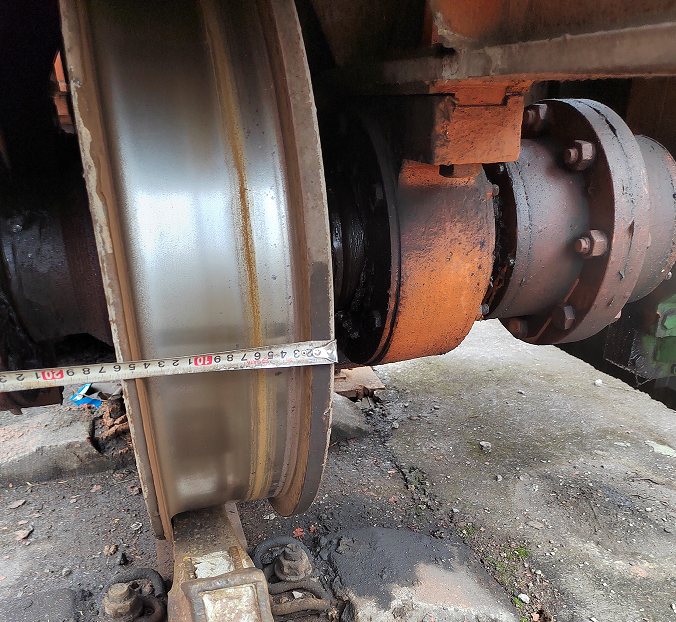
Straddle carrier maintenance is the structured program of preventive, condition-based, and corrective work applied to the hydraulic lifting system, spreader, tire and wheel assembly, structural frame, and electrical/control system of a straddle carrier. Currently, there are no specific international standards for the various subsystems of straddle carriers that prescribe specific maintenance intervals. A straddle carrier maintenance work primarily follows general inspection principles and the original equipment manufacturer’s (OEM) service manuals. In practice, procurement and maintenance teams often directly apply the maintenance schedules for overhead cranes to manage the straddle carrier fleet, which is a common misapplication: Straddle carriers integrate a hoisting mechanism with a mobile undercarriage and tires, and their wear characteristics are closer to those of mobile heavy equipment than to fixed overhead cranes. Therefore, maintenance plans must take both of these characteristics into account. Next, this article will provide you with a key checklist for straddle carrier maintenance, maintenance schedules, and practical maintenance tips. Straddle Carrier Maintenance Fundamentals: Definition and Inspection Scope This section defines the three types of maintenance that make up the preventive maintenance plan for…

READ MORE
gantry crane manufacturers
15 July 2026

Gantry Crane Manufacturers in UAE: Applications, Industry Trends, and How to Choose a Reliable Supplier

Thanks to continued investment in ports, logistics, infrastructure, manufacturing, and renewable energy projects, the United Arab Emirates has become one of the largest markets for heavy lifting equipment in the Middle East. As demand for material handling equipment grows, simply comparing prices is no longer sufficient when selecting among the many gantry crane manufacturers. Buyers need to comprehensively evaluate a manufacturer’s engineering capabilities, compliance, local service levels, and long-term operating costs. For most industrial projects, selecting a manufacturer with extensive experience in similar applications is far more valuable than simply choosing the supplier with the lowest quote. The crane’s duty class, structural design, corrosion protection, and after-sales support directly determine the equipment’s reliability throughout its entire lifecycle. This guide provides a detailed overview of gantry crane applications in the UAE, the latest industry trends, key technical specifications that influence procurement decisions, and practical methods for selecting reliable suppliers. Why the UAE Has Strong Demand for Gantry Crane Manufacturers Understanding the local market demand in the UAE helps buyers identify gantry crane manufacturers with relevant project experience and technical capabilities. Port…

READ MORE
rtg crane vs container straddle carrier
15 July 2026

RTG Crane vs Container Straddle Carrier: A Complete Comparison Guide

When deciding between an RTG crane vs container straddle carrier, purchasers should focus on the differences in the functional characteristics of these two types of equipment rather than on throughput. RTG rubber tyred gantry cranes are suitable for container terminals with high stacking densities, while container straddle carriers are suitable for terminals that require the ability to access any container at any time. This guide aims to help decision-makers determine which crane system can minimize the total number of container moves per hour, given the terminal’s actual stacking ratio and truck arrival patterns. The goal is to assist terminal operators in selecting the most suitable container handling equipment. VOITTO Crane is committed to providing users with valuable guidance. What is RTG Crane? An RTG (Rubber-Tired Gantry Crane) is a specialized piece of lifting equipment designed specifically for container yard stacking operations. With a lifting capacity of up to 70 metric tons and a span ranging from 23.47 to 26 meters, it can stack containers up to six layers high or higher. It uses tires as its means of travel, eliminating…

READ MORE
gantry crane for sale
10 July 2026

Cranes for Precast Concrete Industry: Selection, Specs & Installation

Cranes for precast concrete industry plants require three decisions most suppliers understate: duty class, two-zone layout, and below-hook compatibility. A double girder overhead crane spanning your casting bay typically starts around $28,000–$95,000, while an outdoor double girder gantry crane for yard and loading operations generally runs $18,000–$120,000 — with the final figure driven far more by span, duty class, and control specification than by raw tonnage alone. Precast plants handle a uniquely punishing combination of loads: heavy (beams and girders commonly reach 20–60 tons), geometrically awkward (long, asymmetric, with engineered lifting inserts at fixed points), and handled repeatedly at high cycle frequency throughout a shift. A crane sized purely by rated capacity but specified at the wrong duty class will reach its maintenance threshold in a fraction of its design life — and in a precast environment, unplanned crane downtime cascades directly into delayed demolding and missed delivery schedules. This guide walks procurement managers and equipment engineers through crane type selection by production zone, the key parameters that actually drive cost and reliability, certification requirements for import clearance, and what…

READ MORE
Rigid Free Standing Workstation Double Girder Bridge Crane
14 July 2026

Light Crane System for Workstations: Freestanding Bridge Crane Guide

A light crane system is a modular overhead lifting solution built for workstation-level material handling — typically 0.25 to 2 tons, spans up to 12.5 meters, designed to keep the floor clear and move loads smoothly without the structural demands of a full-size overhead crane. The most practical form for facilities that can’t or won’t modify their ceiling structure is the freestanding bridge crane: a self-supporting aluminum-rail system that bolts to the floor and needs nothing from the building above. Factory-direct pricing for a complete freestanding bridge crane system typically runs $4,000 to $20,000+, depending on span, capacity, and hoist configuration. If your facility has weak ceilings, leased space, or a layout that changes periodically, this is almost certainly the configuration worth evaluating first. This guide covers how freestanding bridge cranes work, when they outperform ceiling-suspended alternatives, what the real specs look like, and what certification documents to request before placing an import order. Quick Reference: Freestanding Bridge Crane Specifications Parameter Specification Lifting Capacity 0.25 – 2 ton Span 1 – 12.5 m Lifting Height 3.7 – 13.5 m Rail…

READ MORE
Single-Girder Gantry Crane
02 July 2026

Cranes for Manufacturing Industry: Matching Crane Type to Production Line

For most manufacturing plants, the fastest way to narrow down crane options is to work backward from what’s happening on the line — not from a catalog of crane types. A single-girder overhead crane rated for 5–10 tons typically runs $8,000–$25,000, while a double-girder crane in the 20–50 ton range moves into $30,000–$120,000+ depending on span and duty class. The harder problem isn’t the price — it’s that most buying guides list crane types and specs without connecting them to what’s actually happening at each stage of a production line, leaving procurement teams to guess whether a jib crane or an overhead system fits their assembly bay. This guide flips that order. It matches cranes for manufacturing industry buyers to production line stages — raw material intake, assembly, machining, and packaging — then covers the parameters and certifications that actually affect your purchase decision. Quick Reference: Cranes for Manufacturing Industry The table below compares the crane types most commonly used across manufacturing production lines, before we get into which one fits which stage of your process. Crane Type Typical Capacity…

READ MORE
Top