
Introducción
Operate a Scissor Lift is widely used in construction, warehousing, logistics, and industrial maintenance because they provide a stable platform for working at height. Proper operation is essential to ensure both safety and efficiency, as incorrect use can lead to accidents, equipment damage, or work delays. Understanding the basic structure, controls, and working principles is the first step before operating the equipment.
This article provides a detailed account of the operating procedures for scissor lifts, including safety requirements, common operational errors, and certification requirements, with the hope of helping you use scissor lifts safely in real-world work environments.
What is a scissor lift?


A scissor lift is a type of aerial work platform designed to lift workers and equipment vertically to elevated working areas. It is commonly used in construction, warehouse operations, and facility maintenance where stable and safe height access is required. The main structure includes a scissor-like folding support mechanism that provides vertical lifting, a working platform with guardrails for operator safety, a hydraulic or electric lifting system for power, a base chassis for stability and mobility, and a control system that allows operation from both the platform and ground level.
Can a Scissor Lift Be Safe?
A scissor lift is safe under the condition of proper operation and regular maintenance. Its safety depends on usage methods and site conditions.
Structural stability: The scissor structure design provides strong vertical support, and the platform force is evenly distributed.
Multiple safety devices: Equipped with guardrails, emergency stop buttons, anti-tilt systems, and overload protection devices.
Operation affects safety: Failure to follow procedures or overloading may cause instability and accidents.
Maintenance is critical: Regular inspection of hydraulic systems, electrical systems, and structural components helps avoid failures and safety risks.
Limited working environment: The ground must be flat and solid; avoid working on slopes or unstable surfaces.
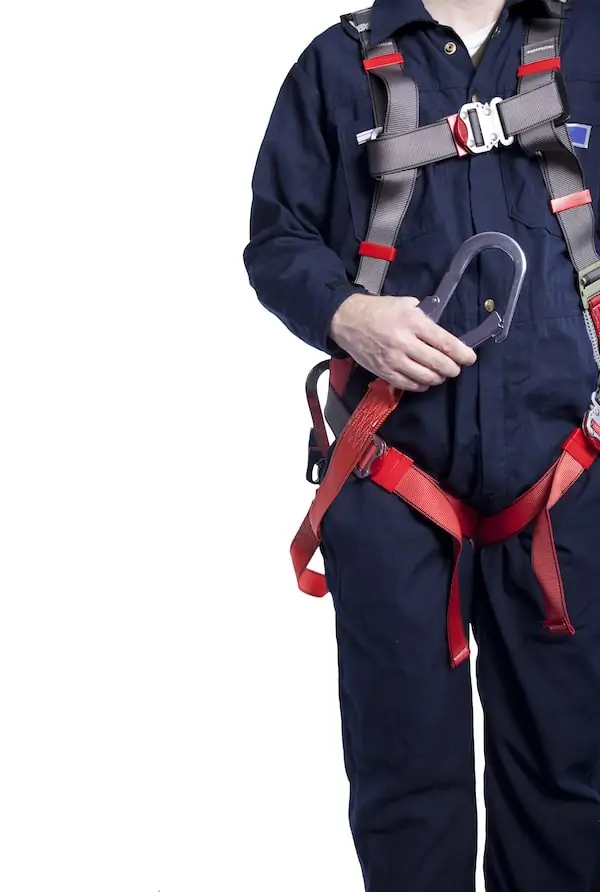
Scissor Lift Operation Workflow
The standard scissor lift operation workflow includes equipment movement, driving operation, and complete aerial work procedures. Understanding how to move a scissor lift and how to drive a scissor lift is key in the preparation and on-site operation stages.
1. Pre-Operation Safety Inspection
- Equipment appearance inspection: Check whether the scissor structure, platform guardrails, chassis, and connection parts have cracks, deformation, or looseness.
- Hydraulic system inspection: Ensure the hydraulic oil level is normal, no leakage, and hoses and joints are securely connected with no abnormality in lifting performance.
- Electrical system inspection: Check whether the battery level is sufficient, and whether the control panel, buttons, indicator lights, and emergency stop function work properly.
- Travel system inspection: Ensure tires or tracks are in good condition without wear or damage, and the braking system is responsive.
- Safety protection device inspection: Confirm guardrails, limit switches, overload protection, and emergency lowering systems are functioning properly.
- Work environment inspection: Ensure the ground is flat and solid, with no potholes, slopes, or obstacles, and no high-voltage lines or danger zones nearby.
- Load confirmation: Check load capacity and strictly prohibit overloading; ensure proper distribution of personnel and materials.
2. Start-Up
- Enter platform: Enter the platform through the safe access point, close the protective door, and ensure the lock is secured to prevent accidental opening during operation.
- Wear safety equipment: Fasten the safety belt and connect it to the designated anchor point to ensure operator safety.
- Power system activation: Turn on the main power switch, check battery or fuel status, and ensure the power supply is normal.
- Control panel check: Observe the instrument panel and indicator status to ensure no alarm signals and that the system is in standby condition.
- Basic function test: Perform no-load testing of lifting and emergency stop functions to confirm normal operation.
3. Positioning
- Confirm working location: Determine whether the scissor lift meets the required working point, height, and range based on construction needs.
- Low-speed movement: Move the equipment slowly using the travel control system, maintaining stable low-speed driving and avoiding sudden turns or stops.
- Observe surroundings: Pay attention to obstacles, pedestrian areas, and ground conditions to avoid collisions or uneven surfaces.
- Adjust direction: Precisely steer according to the path to safely reach the target position.
- Secure after arrival: Park on a flat and solid surface, engage the brake or locking system to ensure stability.
4. Adjusting Lift
- Confirm equipment stability: Before lifting, ensure the equipment is properly parked, the brakes are locked, and there is no movement risk.
- Check platform load: Ensure load does not exceed rated capacity, and personnel and tools are evenly distributed to avoid imbalance.
- Operate lift control: Use the control panel to slowly activate lifting, maintaining smooth movement without a sudden rise or drop.
- Monitor operation status: Continuously observe equipment conditions during lifting, ensuring no abnormal noise, vibration, or alarm signals.
- Stop at working height: Adjust to the required height and stop operation, ensuring stability and safety conditions.
5. Shutdown
- Lower platform to minimum height: After completing work, slowly lower the platform to the lowest position.
- Turn off platform power: Press the stop button and switch off the control panel power to cut system operation.
- Store safety equipment: Remove safety belt and organize protective equipment, ensuring no loose items remain.
- Park equipment: Move the equipment to the designated area, ensure the ground is flat and free of obstacles, and lock the brake system.
- Disconnect main power: Turn off the main switch to fully power down the system.
- Basic inspection and record: Check equipment condition and complete usage records.
Every step of the scissor lift operation must strictly follow procedures. Mastering how to move a scissor lift and how to drive a scissor lift, combined with standard steps, improves both safety and efficiency in scissor lift operation.
Video
Control Instructions
- Travel control: Use the joystick or control panel to move forward, backward, and steer. Maintain low speed to avoid sudden turns or stops.
- Lift control: Use lift buttons to raise or lower the platform. Keep steady pressure for smooth operation.
- Emergency stop button: Immediately cuts all systems in case of abnormal situations.
- Speed control function: Allows adjustment of travel and lifting speed based on working conditions.
- Direction and steering control: Adjust direction using the control lever or knob, ensuring no collision with obstacles.
- Status indicator system: Includes battery, fault, and operation indicators; ensure normal status before operation.
Common Mistakes
- Overloading use: Exceeding rated capacity may cause instability or structural damage.
- Operating without inspection: Skipping pre-operation checks may miss hydraulic or electrical faults.
- Use on uneven ground: Increases tipping risk and affects stability.
- Moving with an elevated platform: Causes imbalance and serious accidents.
- Ignoring surroundings: Risk of collision with obstacles or electrical lines.
- Fast operation: Frequent sudden stops or turns increase equipment load and risk.
- Improper safety device use: Not wearing safety belts or closing doors increases fall risk.
Safety Tips
- Mandatory protective equipment: Operators must wear safety belts and use guardrails and safety gates properly.
- No overloading: Strictly follow rated load limits.
- Maintain proper ground conditions: Operate only on flat and solid surfaces.
- No movement when elevated: Never move or steer when the platform is raised.
- Monitor surroundings: Check overhead obstacles and power lines before and after operation.
- Avoid unsafe actions: No sudden stops, turns, or aggressive operations.
- Regular maintenance: Regular inspection of hydraulic, electrical, and structural systems.
Need a License?
- General requirements: In most regions, operators must receive basic training and understand safe operation before use.
- Special site requirements: Construction and industrial sites often require certified high-altitude equipment operators.
- Company training: Some companies provide internal training and certification before independent operation.
- Regulatory differences: Requirements vary by region and must follow local safety regulations.
- Safety recommendation: Professional training or certification is strongly recommended to ensure safe operation and reduce risks.
Conclusión
Scissor lift operation includes movement, driving, positioning, lifting, and shutdown processes. Each step affects safety and efficiency. Following standard procedures and proper inspection ensures safe operation and reduces risks.
VIOTTO provides a variety of scissor lift solutions with customizable configurations, stable structural design, and comprehensive after-sales service systems, helping customers improve efficiency and on-site safety. For selection consultation or technical support, feel free to Contacto for professional solutions.

Alan
Especialista en Soluciones de Grúas · Voitto Crane
Especializados en soluciones de exportación de grúas puente, grúas pórtico, grúas de pluma, grúas portuarias y grúas EOT. Más de 10 años ayudando a clientes internacionales con consultoría de preventa, selección de capacidad y configuraciones específicas para cada emplazamiento.
PREGUNTAS FRECUENTES
Do you need training to operate a scissor lift?
Yes. Operators should receive basic training on structure, controls, and safety procedures.
Can a scissor lift be used outdoors?
Yes, but choose suitable models and ensure stable ground and acceptable wind conditions.
Can the platform be moved when elevated?
No. Moving or steering when elevated is strictly prohibited.
What is the maximum working height of a scissor lift?
It varies by model, typically from 6 to 18 meters or more.
Is a safety harness required?
Yes. A safety harness must always be worn and attached to the anchor point.
Does a scissor lift require regular maintenance?
Yes. Regular inspection of hydraulic, electrical, and structural systems is required for safe operation.



 English
  Español
  Português
  العربية
  Français
  Русский