блог

crane-wheel-flange-wear-measurement-inspection
10 September 2026

How to Fix Crane Wheel Flange Wear: 5 Solutions and 5 Engineering Improvements

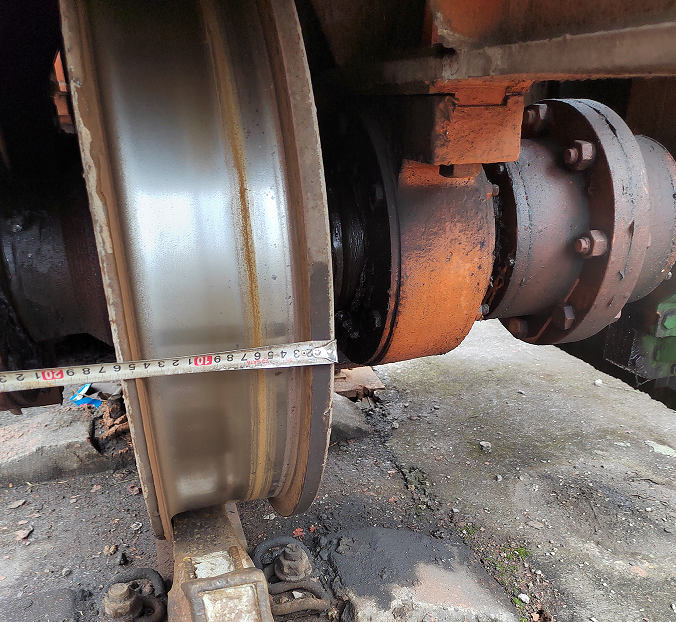
Crane wheel flange wear — the progressive damage caused by sustained contact between the wheel flange and the side of the running rail — does not resolve itself and cannot be managed by lubrication alone. Once the underlying cause is identified, corrective work must be sequenced correctly: applying adjustments in the wrong order wastes time, produces misleading results, and in some cases redistributes the contact force without eliminating it. The problem is known by several names depending on where you operate. North American engineers typically call it rail biting or crane skewing. European maintenance teams use flange rubbing. In Chinese and much of Asian crane industry practice, the direct term rail gnawing (啃轨) is common. UK and Indian engineers working with European-origin cranes often refer to the trolley mechanism as the crab and describe the same phenomenon as crab flange wear. Whatever the terminology, the corrective approach is the same. This article covers five field-correctable solutions — with step-level procedures where the work involves physical adjustment — and five engineering improvements for cases where standard corrections are insufficient or where…

ЧИТАТЬ ДАЛЬШЕ
severe-crane-wheel-flange-wear-damage
10 September 2026

Crane Wheel Flange Wear: 5 Warning Signs and 6 Root Causes in Bridge and Gantry Cranes

Wheel flange wear — the sustained, forceful contact between a crane wheel flange and the side of the rail — is one of the most damaging and persistent faults in overhead and gantry crane operation. Left unaddressed, it accelerates wear on both wheels and rails, increases running resistance, distorts the crane’s metal structure, and in severe cases leads to derailment and serious injury. The problem goes by several names depending on where you are. Wheel flange wear is the most widely recognized term internationally and appears in most maintenance standards and inspection checklists. Engineers and maintenance teams also encounter it as flange rubbing in European technical documentation, rail biting in North American maintenance manuals, and rail gnawing (啃轨) in Chinese technical literature — a direct translation that has become widely understood across the global crane industry. Whatever the terminology, the underlying mechanics and the diagnostic approach are the same. This article covers what wheel flange wear looks like in the field, how to identify it early, and — critically — how to distinguish between the six categories of root cause…

ЧИТАТЬ ДАЛЬШЕ
Топ