

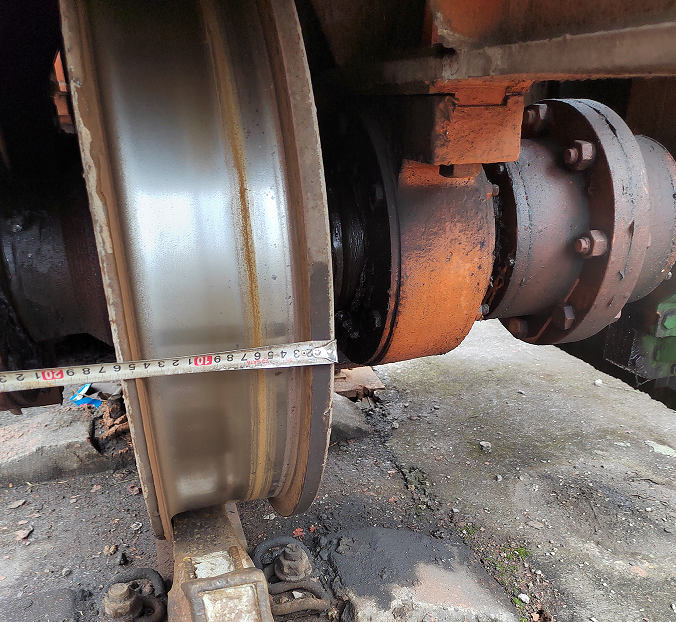
Comment remédier à l'usure des brides de roues de grue : 5 solutions et 5 améliorations techniques
Crane wheel flange wear — the progressive damage caused by sustained contact between the wheel flange and the side of the running rail — does not resolve itself and cannot be managed by lubrication alone. Once the underlying cause is identified, corrective work must be sequenced correctly: applying adjustments in the wrong order wastes time, produces misleading results, and in some cases redistributes the contact force without eliminating it. The problem is known by several names depending on where you operate. North American engineers typically call it rail biting or crane skewing. European maintenance teams use flange rubbing. In Chinese and much of Asian crane industry practice, the direct term rail gnawing (啃轨) is common. UK and Indian engineers working with European-origin cranes often refer to the trolley mechanism as the crab and describe the same phenomenon as crab flange wear. Whatever the terminology, the corrective approach is the same. This article covers five field-correctable solutions — with step-level procedures where the work involves physical adjustment — and five engineering improvements for cases where standard corrections are insufficient or where…


 English
 Español
 Português
 العربية
 Français
 Русский