
عند الاختيار بين رافعة جسرية مطاطية (RTG) ورافعة حاويات، ينبغي للمشترين التركيز على الاختلافات في الخصائص الوظيفية لهذين النوعين من المعدات بدلاً من التركيز على الإنتاجية. تُعد الرافعات الجسرية المطاطية (RTG) مناسبة لمحطات الحاويات ذات كثافة التخزين العالية، بينما تُعد رافعات الحاويات مناسبة للمحطات التي تتطلب القدرة على الوصول إلى أي حاوية في أي وقت.

رافعة جسرية مطاطية RTG

ناقل حاويات
يهدف هذا الدليل إلى مساعدة متخذي القرار في تحديد نظام الرافعات الأمثل لتقليل إجمالي عدد عمليات نقل الحاويات في الساعة، مع الأخذ في الاعتبار نسبة تكديس الحاويات الفعلية في المحطة وأنماط وصول الشاحنات. ويتمثل الهدف في مساعدة مشغلي المحطات على اختيار معدات مناولة الحاويات الأنسب. وتلتزم شركة فويتو كرين بتزويد المستخدمين بإرشادات قيّمة.
- 1 ما هي رافعة RTG؟
- 2 ما هو الناقل المتدرج؟
- 3 رافعة RTG مقابل ناقلة الحاويات: الفرق التشغيلي الأساسي
- 4 مقارنة بين معدل الإنتاجية وتصميم ساحة التخزين
- 5 معايير السعة والمدى وارتفاع التكديس
- 6 اعتبارات التكلفة والصيانة
- 7 الخلاصة
- 8 شركة فويتو لتصنيع رافعات RTG وناقلات الحاويات
-
9
الأسئلة الشائعة
- 9.1 ما هو الفرق الرئيسي بين رافعة RTG وناقلة الحاويات ذات العارضة؟
- 9.2 أي نظام يتعامل مع كثافة تكديس أعلى، رافعة RTG أم ناقلة الحاويات؟
- 9.3 هل تقلل رافعة الحاويات ذات العارضة من وقت دوران الشاحنات مقارنة برافعة RTG؟
- 9.4 ما هي عناصر الصيانة التي تختلف بشكل كبير بين رافعة جسرية ذات إطارات مطاطية وناقلة حاويات؟
- 9.5 كيف ينبغي للمحطة أن تقارن التكلفة بين رافعة RTG وناقلة الحاويات ذات العارضة؟
ما هي رافعة RTG؟
رافعة الجسر المطاطية (RTG) هي معدات رفع متخصصة مصممة خصيصًا لعمليات تكديس الحاويات في ساحات التخزين. بقدرة رفع تصل إلى 70 طنًا متريًا، ومدى يتراوح بين 23.47 و26 مترًا، يمكنها تكديس الحاويات حتى ستة طبقات أو أكثر. تستخدم هذه الرافعة الإطارات كوسيلة للتنقل، مما يُغني عن الحاجة إلى مسارات أرضية ويسمح لها بالتحرك بحرية داخل الساحة. انقر على المقال لمعرفة المزيد من التفاصيل حول رافعات الجسر المطاطية. ما هي رافعة RTG Crane؟

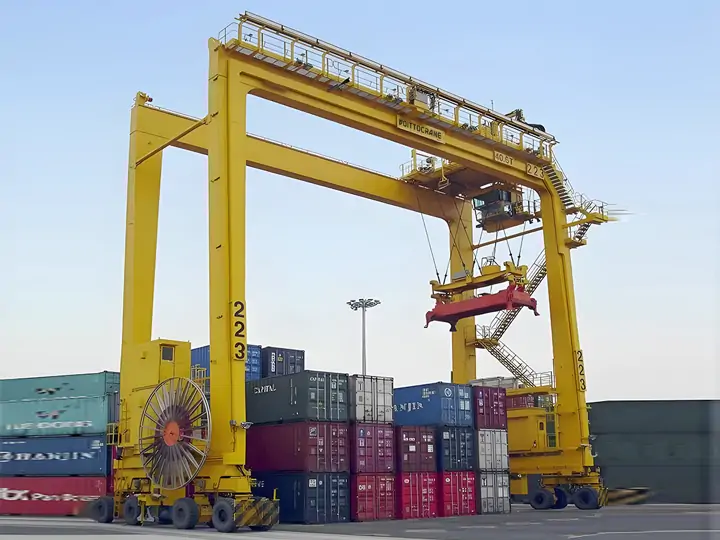
رافعة RTG
ما هو الناقل المتدرج؟
رافعات الحاويات هي معدات متخصصة في مناولة الحاويات. يمكن لرافعة الحاويات التحرك إلى موضع أعلى من الحاوية المراد رفعها، ثم تقوم بعملية الرفع باستخدام جهاز الرفع. نظام الحركة مزود بإطارات مطاطية، مما يوفر قدرة عالية على الحركة، ويسمح لها بالعمل في أي مكان في ساحة التخزين. عادةً، تبلغ قدرة رفع رافعة الحاويات 40-80 طنًا، ويمكنها تكديس الحاويات في طبقتين إلى أربع طبقات. انقر هنا للمزيد من التفاصيل. ما هو الناقل المتدرج؟


ناقل حاويات
رافعة RTG مقابل ناقلة الحاويات: الفرق التشغيلي الأساسي
تقتصر رافعات RTG ذات الإطارات المطاطية على امتداد ثابت وتعمل على طول منطقة حاويات واحدة، بينما تتعامل رافعات الحاويات ذات العجلات مع الحاويات مباشرةً ويمكنها الوصول إلى أي ممر تشغيلي تقريبًا. يعالج هذان النظامان تحديات مختلفة في عمليات ساحة التخزين، ولا يمكن استبدال أحدهما بالآخر ضمن نفس تصميم منطقة الحاويات.
طريقة التكديس وكثافة التخزين
تُستخدم الرافعات الجسرية ذات الإطارات المطاطية في عمليات تكديس الحاويات ضمن مسافة ثابتة. تشمل التكوينات الشائعة طبقات "6+1" أو "7+1" (استنادًا إلى معيار تصنيف FEM 1.001 لآليات حركة الرافعات الجسرية). بالمقارنة مع ناقلات الحاويات ذات الهيكل المائل، تُحقق هذه الطريقة كثافة تخزين أعلى لكل وحدة مساحة. أما ناقلات الحاويات ذات الهيكل المائل، نظرًا لحاجة هيكلها إلى تجاوز الأكوام والحفاظ على الخلوص، فتُكدس عادةً بارتفاع يتراوح بين طبقتين وأربع طبقات.
لا تتحقق ميزة الكثافة لرافعة RTG إلا عندما يتطابق تصميم ساحة التخزين مع امتداد الرافعة. في حال عدم التطابق، يصبح تكديس الشاحنات غير المكتمل ضروريًا، مما يُقلل من ميزة الكثافة. لذا، يُفضل عمومًا استخدام تصميمات ساحات التخزين لرافعات RTG في المحطات ذات أحجام الشحن الواردة الكبيرة وموارد الأراضي المحدودة، شريطة ألا يُمثل وقت دوران الشاحنات عائقًا رئيسيًا.
آلية السفر وتحديد المواقع
عندما تُعدّل رافعة جسرية ذات إطارات مطاطية موضعها، فإنها تعتمد على الإطارات المطاطية لتحريك هيكل الرافعة بالكامل على طول رصيف الحاويات. وتكون سرعة حركتها بطيئة نسبيًا عند تغيير المسارات. في المقابل، تستطيع رافعة حاملة الأعمدة التحرك بحرية بين المسارات. وبالمقارنة مع الرافعة الجسرية ذات الإطارات المطاطية، توفر رافعة حاملة الأعمدة مرونة أكبر وسرعات حركة أعلى.
في معظم الحالات، تستطيع رافعة النقل الجانبية الوصول إلى الحاوية المستهدفة مباشرةً، مما يقلل من خطوات المناولة الوسيطة عندما يكون ارتفاع الرصة منخفضًا. مع ذلك، عندما يتجاوز ارتفاع الرصة ثلاث طبقات، تتضاءل هذه الميزة لأن مشغل رافعة النقل الجانبية لا يزال مضطرًا إلى إزاحة الحاويات التي تعيق الطريق يدويًا. عند هذه النقطة، يصبح زمن دورة العمل اللازم لإتمام عمليات إعادة تموضع الحاويات مماثلًا لزمن دورة العمل لرافعة النقل المطاطية.
مقارنة بين معدل الإنتاجية وتصميم ساحة التخزين
تعتمد مقارنة الكفاءة التشغيلية بين رافعات RTG ورافعات النقل الجانبية على نسبة التكديس وتصميم واجهة الربط مع شاحنات الحاويات، وليس على سرعة الرفع المقدرة. إذا اعتمدت محطة ما على سرعة الرفع كمعيار وحيد، فإنها تقارن بين معايير خاطئة.
زمن دورة مناولة الحاويات
في ظل ظروف ساحة التخزين القياسية، يتراوح زمن دورة رافعة RTG لإتمام عملية تحميل أو تفريغ شاحنة واحدة عادةً بين 90 و120 ثانية (باستثناء الوقت اللازم للانتقال بين صفوف الحاويات المختلفة). عندما تتمكن رافعة الحاملة الجانبية من الوصول مباشرةً إلى الحاويات واسترجاعها دون الحاجة إلى إعادة التموضع، يكون الوقت اللازم لإتمام عملية حاوية واحدة من النوع نفسه مماثلاً لزمن رافعة RTG. مع ذلك، بمجرد الحاجة إلى إعادة التموضع، تفقد رافعة RTG ميزة كفاءتها.
لا يمكن مقارنة بيانات زمن الدورة من هذين النظامين إلا في ظل نفس ظروف كثافة التكديس (نسبة التكديس). ملاحظة: إذا لم يحدد المورد كثافة التكديس في عرضه، فإن بيانات زمن الدورة التي يقدمها لا تُفيد في اختيار النظام.
مساحة الفناء وتكوين الكتلة
تتطلب منطقة تشغيل رافعة الجسر ذات الإطارات المطاطية مساحة مستطيلة ثابتة، تعتمد أبعادها على امتداد الرافعة ومسار حركة الجنزير أو الإطارات، مما يحد من مرونة تعديلات التخطيط المستقبلية. في المقابل، لا تتقيد الرافعات الجسرية بحدود ثابتة لمنطقة الحاويات، ويمكنها تعديل تخطيطات ممرات التشغيل بمرونة استجابةً لتغيرات الطلب على الإنتاج.
تأتي هذه المرونة على حساب انخفاض كثافة التخزين لكل وحدة مساحة. لذا، عند تقييم خيارات تصميم الموقع، ينبغي مراعاة تكلفة الأرض المتاحة بشكل شامل، بدلاً من مجرد مقارنة أسعار المعدات.
معايير السعة والمدى وارتفاع التكديس
توضح المعايير التالية نطاقات التصنيف النموذجية. قبل مقارنة الأجهزة المختلفة، يرجى الرجوع إلى وثائق تصنيف الشركة المصنعة للتأكد من تصنيف دورة التشغيل المحدد.
| المعلمة | رافعة RTG | ناقل حاويات |
|---|---|---|
| السعة المقدرة تحت الموزع | 40-70 طن (تصنيف الخدمة بناءً على معيار ISO 8686) | 30-45 طن |
| تغطية نموذجية للمدى / المسار | من 6+1 إلى 8+1 صفوف | طريق ذو حارة واحدة، بدون امتداد ثابت |
| ارتفاع التكديس | حتى 1 من 6 | حتى 1 من 3 |
| سرعة السفر | 45-130 متر/دقيقة (حركة الجسر) | تصل إلى 80-150 متر/دقيقة |
| مدى تحمل حالة الأرض | ساحة معبدة، أو مسار للإطارات أو السكك الحديدية | فناء مُبلّط، قدرة تحمل أعلى للأسطح غير المستوية |

رافعة RTG

الناقل المتجول
اختيار السعة المقدرة وفئة الخدمة
تُعتبر سعة الرفع المقدرة لمعدات الرفع صالحة فقط ضمن فئة التشغيل المحددة للرافعة أو معدات المناولة. على سبيل المثال، المعدات ذات سعة الرفع المقدرة 65 طنًا والمخصصة لعمليات الرفع العرضية فقط، لا يمكنها العمل بشكل مستمر بحمل 65 طنًا. إن تطبيق تصنيف "التشغيل العرضي" على ظروف التشغيل المستمرة سيؤدي إلى تقصير عمر الإجهاد للهيكل. بالنسبة للمحطات التي تعمل بنظام المناوبات المتعددة والمستمرة، يجب أن يستند اختيار المعدات بشكل أساسي إلى فئة التشغيل وليس إلى ذروة سعة الرفع.
ارتفاع التكديس والحدود الهيكلية
تعتمد معايير ارتفاع التكديس لرافعات RTG على افتراض استواء الأرض وتأمين جميع طبقات الحاويات بشكل صحيح. في حال تجاوز التكديس الارتفاع المُصنّف على أرض غير مستوية - حتى لو سمحت سعة لوحة بيانات المعدات بذلك - ستتعرض دعامات الرافعة لأحمال جانبية تتجاوز معيار التصميم FEM 1.001. يعتمد حد ارتفاع التكديس لرافعة الحاملة بشكل أساسي على استقرار الهيكل. وهو قيد هيكلي وليس هامش أمان، وبالتالي لا يمكن تجاوزه من خلال أساليب التشغيل.
اعتبارات التكلفة والصيانة
ينبغي أن تتم مقارنة التكاليف وفقًا لمخاطر تكديس الفتحات ووقت التوقف، وليس سعر الوحدة، نظرًا لأن النظامين يوزعان المخاطر بشكل مختلف عبر الكتلة.
عوامل تحديد تكاليف التشغيل
بشكل عام، تكون تكلفة الشراء الأولية لرافعة جسرية مطاطية واحدة أعلى من تكلفة رافعة شوكية ذات سعة تشغيلية مماثلة. مع ذلك، وبفضل كثافة التكديس العالية، تستطيع الرافعة الجسرية المطاطية الواحدة تغطية عدد أكبر من أرصفة الحاويات، مما يُغير من مقارنة "تكلفة الرصيف الواحد". إذا اقتصرت مقارنة تكلفة المعدات على قطعة واحدة فقط بدلاً من تكلفة الرصيف الواحد، فغالباً ما تُبالغ في تقدير ميزة التكلفة للرافعة الشوكية.
دورة الصيانة ومخاطر التوقف عن العمل
يتركز التآكل في رافعات RTG بشكل أساسي على عجلات حركة الجسر، وحبال الرفع السلكية، ومفاصل معدات الرفع، وتعتمد فترات الفحص على دورات التشغيل. في المقابل، تتوزع التآكل في رافعات الحاويات على عدد أكبر من الإطارات ونقاط الرفع الهيدروليكية، مما يؤدي إلى زيادة عدد مهام الصيانة المحددة حتى عندما يكون إجمالي وقت التوقف متقاربًا. يؤدي تعطل رافعة حاويات واحدة إلى إخراجها فقط من أسطول التشغيل المرن. في المقابل، يمكن أن يؤدي تعطل رافعة RTG واحدة إلى إغلاق صف كامل من ممرات التشغيل حتى يتم إصلاحها. بالنسبة لعمليات الساحات ذات المساحة المحدودة، يشكل هذا خطرًا تشغيليًا أكبر.
الخلاصة
يُقدّم ما سبق لمحة عامة عن الفروقات بين رافعات RTG وناقلات الحاويات. عند الاختيار بين رافعة RTG وناقلة الحاويات، لا ينبغي للمشترين الاكتفاء بمقارنة المواصفات الفنية فقط، بل عليهم اختيار المعدات الأنسب بناءً على الاحتياجات التشغيلية المحددة للمحطة. توفر رافعات RTG كثافة تكديس أعلى وتكلفة أقل لكل حاوية، مما يجعلها مثالية لساحات الحاويات ذات التخطيطات الثابتة لمناطق الحاويات، والأرضيات المستقرة، وأنماط التكديس الموحدة.
في المقابل، توفر ناقلات الحاويات ذات العجلات قدرة أكبر على المناورة، وسرعات شحن أسرع، ومرونة تشغيلية أعلى، مما يجعلها مناسبة بشكل خاص للمحطات التي تتطلب إعادة تموضع الحاويات بشكل متكرر وإدارة ديناميكية للساحة.
قبل اتخاذ قرار الاستثمار النهائي، يجب على مشغلي المحطات تقييم فئة تشغيل المعدات، وتصنيفها وفقًا لمعايير FEM/ISO، وقدرتها على الرفع، وبيئة التشغيل المناسبة، والتأكد من توافق هذه العوامل مع تصميم ساحة المحطة الفعلي، وتدفق الحاويات، وظروف الأرض، وخطط التشغيل. ينبغي أن يحقق الخيار الأمثل التوازن الأمثل بين كفاءة الإنتاج، ومرونة التشغيل، وتكاليف التشغيل على المدى الطويل.
شركة فويتو لتصنيع رافعات RTG وناقلات الحاويات
شركة فويتو كرين هي مورد متخصص لرافعات الحاويات. نلتزم بتوفير رافعات جسرية مطاطية ومعدات نقل الحاويات لشركات تشغيل محطات الحاويات وساحات النقل متعدد الوسائط. نقدم حلولاً مصممة خصيصاً لتلبية متطلبات مشاريع عملائنا، بما يتناسب تماماً مع تصميم موانئهم أو محطاتهم.
إذا كنت بحاجة إلى حلول مناولة الحاويات، فلا تتردد في التواصل معنا. اتصل بـ فويتو كرين.

آلان
أخصائي حلول الرافعات · رافعة Voitto
متخصصون في حلول تصدير الرافعات العلوية، والرافعات الجسرية، والرافعات الجيبية، ورافعات الموانئ، ورافعات الموانئ، ورافعات EOT. أكثر من 10 سنوات في مساعدة العملاء العالميين من خلال استشارات ما قبل البيع، واختيار السعة والتكوينات الخاصة بالموقع.
الأسئلة الشائعة
ما هو الفرق الرئيسي بين رافعة RTG وناقلة الحاويات ذات العارضة؟
تقوم رافعة RTG برفع وتكديس الحاويات ضمن امتداد ثابت على طول كتلة، بينما تقوم ناقلة الحاويات برفع حاوية داخل هيكلها الخاص ونقلها مباشرة بين المواقع دون وجود حدود كتلة ثابتة.
أي نظام يتعامل مع كثافة تكديس أعلى، رافعة RTG أم ناقلة الحاويات؟
تصل رافعة RTG إلى كثافة تكديس أكبر، تصل عادةً إلى 1 فوق 6، لأن ارتفاع التكديس الخاص بها لا يحده خلوص الهيكل بالطريقة التي يحد بها ناقل الحاويات ذو العارضة 1 فوق 3.
هل تقلل رافعة الحاويات ذات العارضة من وقت دوران الشاحنات مقارنة برافعة RTG؟
فقط عندما يكون الوصول إلى الحاوية المستهدفة ممكناً دون الحاجة إلى إعادة ترتيبها. بمجرد أن يتجاوز ارتفاع الرصة ثلاثة مستويات، تتقلص ميزة دوران ناقلة الحاويات المعلقة لتتماشى مع أوقات دورة رافعة RTG، لأن كلا النظامين يجب أن يقوما بحركات إعادة ترتيب مكافئة.
ما هي عناصر الصيانة التي تختلف بشكل كبير بين رافعة جسرية ذات إطارات مطاطية وناقلة حاويات؟
تُركّز رافعة RTG التآكل على عجلات الحركة، وحبل السلك، وأقفال الالتواء في الموزعات، وذلك من خلال فترات فحص تعتمد على دورة التشغيل. أما ناقلة الحاويات ذات العارضة، فتوزّع التآكل على عدد أكبر من نقاط الرفع الهيدروليكية والإطارات لكل وحدة.
كيف ينبغي للمحطة أن تقارن التكلفة بين رافعة RTG وناقلة الحاويات ذات العارضة؟
ينبغي على المشترين مقارنة التكلفة لكل "مساحة تخزين" بدلاً من التكلفة لكل "وحدة من المعدات". فعلى الرغم من أن سعر شراء وحدة رافعة RTG أعلى من سعر شراء رافعة تكديس الحاويات، إلا أن كثافة التخزين الأعلى لكل وحدة مساحة ستؤثر على حساب التكلفة لكل مساحة تخزين.


 English
  Español
  Português
  العربية
  Français
  Русский