rtg crane vs container straddle carrier
15 July 2026

RTG Crane vs Container Straddle Carrier: A Complete Comparison Guide

When deciding between an RTG crane vs container straddle carrier, purchasers should focus on the differences in the functional characteristics of these two types of equipment rather than on throughput. RTG rubber tyred gantry cranes are suitable for container terminals with high stacking densities, while container straddle carriers are suitable for terminals that require the ability to access any container at any time. This guide aims to help decision-makers determine which crane system can minimize the total number of container moves per hour, given the terminal’s actual stacking ratio and truck arrival patterns. The goal is to assist terminal operators in selecting the most suitable container handling equipment. VOITTO Crane is committed to providing users with valuable guidance. What is RTG Crane? An RTG (Rubber-Tired Gantry Crane) is a specialized piece of lifting equipment designed specifically for container yard stacking operations. With a lifting capacity of up to 70 metric tons and a span ranging from 23.47 to 26 meters, it can stack containers up to six layers high or higher. It uses tires as its means of travel, eliminating…

READ MORE
Single Flange vs Double Flange Crane Wheels
15 May 2026

Single Flange vs Double Flange Crane Wheels: Which Type Do You Actually Need?

Single flange crane wheels guide the crane on one side of the rail. Double flange crane wheels grip both sides. That one sentence covers the mechanical difference — but it doesn’t tell you which is correct for your system, and getting this wrong means accelerated rail wear, wheel flange failure, and unplanned downtime within months of installation. The decision comes down to four variables: your rail type, the crane’s span, how much lateral force the end truck generates, and whether your runway geometry is fixed or subject to thermal movement. Most buyers find out they’ve specified the wrong type after the first wear inspection — not before. This guide gives you the full comparison, a spec reference table, and the questions you need to answer before placing an order. If you already know what you need, the quick reference block below gets you to inquiry in under two minutes. Quick Reference: Single vs Double Flange at a Glance Parameter Single Flange Double Flange (Standard) Double Flange (Flanged Both Sides) Flange position One side only Both sides Both sides, wider flange…

READ MORE
winch vs hoist
12 May 2026

Winch vs Hoist : How to Choose the Right Lifting Drive for Your Crane

If your lifting application meets the following criteria: a lifting capacity of less than 32 tons, a lifting height of 30 meters or less, and a duty class at or below FEM 3m (ISO M6). Then an electric wire rope hoist is almost always the ideal choice, offering greater cost-effectiveness and shorter lead times. Once these thresholds are exceeded, or when the crane is custom-designed for specific operating conditions such as those found in ports, shipyards, or the metallurgical industry, an industrial winch becomes the only viable option. When choosing between a winch vs hoist, the key to making this decision does not lie in which type of equipment is capable of lifting heavy loads (since both are equally capable), but rather depends on four key parameters that are often misunderstood during the procurement process: maximum working load rating, wire rope drum flexibility, lifting height, and the equipment’s long-term maintainability. This article will provide an in-depth analysis of the structural differences between these two drive systems, comparing them across eight key parameters critical to procurement decisions. It will also highlight…

READ MORE
Explosion Proof Chain Hoist
08 May 2026

Manual vs Electric Chain Hoist: Full Comparison & Selection Tips

Picking between a manual hoist and an electric chain hoist sounds straightforward — until you’re standing in front of a spec sheet with six models and no clear criteria. The wrong choice shows up fast: operators fatiguing on a job that needed electric power, or budget spent on a motorized unit that runs twice a week in a small shop. Here’s the direct answer: electric chain hoists are built for frequent, heavy lifting in production environments. Manual hoists — sometimes called chain fall hoists or chain falls — cover light, infrequent lifts where portability and low cost matter more than speed. This guide breaks down both products in plain terms: how they work, where each one fits, and the key specs to compare before you buy. If you’re evaluating a chain fall vs chain hoist debate on your floor, this is the comparison you need. 1. How Each Hoist Works Understanding the basic mechanics helps you match the tool to the job — not just the load rating. How a Manual Chain Hoist Works A manual chain hoist (also called…

READ MORE
Lever Chain Hoist
07 April 2026

Lever Chain Hoist vs Hand Chain Hoist: Key Differences & When to Use Each

Choosing the wrong hoist for a job can slow down your operation, create safety risks, and waste budget. If you’ve been comparing a lever chain hoist and a hand chain hoist, you’re already asking the right question — because these two tools look similar but serve very different purposes. This article gives you a clear breakdown: what each hoist does best, where they fall short, and how to match the right tool to your specific application. What Is a Lever Chain Hoist? A lever chain hoist (also called a lever block chain hoist or hoist lever chain) uses a short operating lever to apply mechanical force through a ratchet mechanism. The operator pumps the lever back and forth to lift, lower, or pull a load. How It Works The lever feeds into a gear system that multiplies the input force. This allows the user to move heavy loads with relatively little physical effort. Most models also allow load positioning in any direction — not just straight up — which makes them highly versatile on job sites. Key Technical Characteristics Ideal…

READ MORE
Overhead Crane vs Hoist
27 March 2026

Overhead Crane vs Hoist: What’s the Difference?

If you are shopping for lifting equipment, you have likely come across both overhead cranes and hoists. Many buyers treat them as the same thing. They are not. Choosing the wrong one leads to wasted budget, poor efficiency, or worse — a safety risk on the floor. This article breaks down exactly what separates an overhead crane from a hoist, how they work together, and which one your facility actually needs. What Is an Overhead Crane? An overhead crane is a complete material handling system. It is installed above your workspace on fixed rails and moves loads in three directions: left and right along the runway, forward and back along the bridge, and up and down via the hoist. The system consists of several major components working together. Main Components of an Overhead Crane The key point: the overhead crane is the full system. The hoist is just one part of it. Types of Overhead Cranes Overhead cranes come in two main structural types. Single girder overhead crane — one main beam, suitable for loads up to 32 tons in…

READ MORE
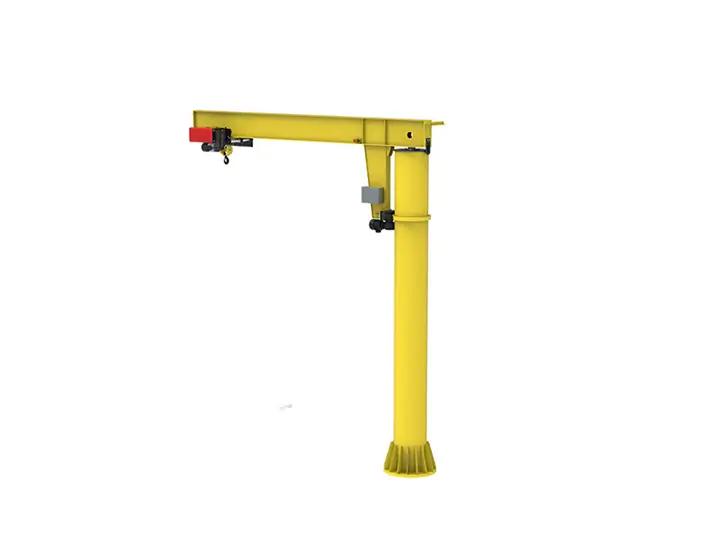
Pillar Jib Crane
26 March 2026

Pillar Jib Crane vs. Wall Mounted Jib Crane: How to Choose the Right One

Choosing between a pillar jib crane and a wall mounted jib crane is one of the most common decisions buyers face. Both are practical, cost-effective lifting solutions — but they suit very different workspaces and workflows. The short answer: if you need full 360° coverage and freedom to position the jib crane anywhere in your facility, a pillar jib crane is the better fit. If floor space is tight and your work happens near a wall or column, a wall mounted jib crane is the smarter choice. This guide walks you through the key differences — structure, rotation range, load capacity, installation requirements, and cost — so you can make a confident decision without second-guessing. What Each Jib Crane Actually Is Before diving into comparisons, it helps to understand what sets these two types apart at a structural level. Pillar Jib Crane A pillar jib crane is a free-standing unit anchored directly to the floor via a reinforced concrete foundation. The jib arm rotates around a central steel column. This design provides a slew range of up to 360°, with…

READ MORE
Bridge Crane Vs Monorail Crane (1)
10 March 2026

Bridge Crane Vs Monorail Crane

Lifting equipment is mainly used in industrial production and is an important material handling device. It can efficiently complete the lifting and transportation of heavy objects, improve production efficiency, and reduce labor costs. Common types of lifting equipment include bridge crane vs monorail crane. How to choose a crane suitable for your working conditions? This article will compare and analyze them from the aspects of structure, working method, application scenarios, and selection. What is a Bridge Crane? It is a lifting device that runs on tracks above a factory building. It is also called an overhead crane or bridge crane and is mainly used for heavy object handling and lifting operations in workshops or warehouses. It moves horizontally along two parallel tracks through the bridge frame while the trolley moves longitudinally along the bridge. Combined with the hoisting mechanism to lift objects up and down, it forms a three-dimensional material handling system. A overhead crane usually consists of a bridge frame, traveling mechanism, trolley, hoisting mechanism, and electrical control system. Because of its large coverage area, high lifting capacity, and stable…

READ MORE
Magnetic Crane vs Grab Crane
28 December 2025

Magnetic Crane vs Grab Crane: Which Lifting Solution Fits Your Project Best?

Since 2000, Voitto Crane has consulted on over 500 crane installation projects for steel mills, recycling plants, and manufacturing plants, witnessing countless companies struggle with the choice between magnetic cranes and grab cranes. This comparative report is based on actual performance data, customer feedback, and practical experience troubleshooting both systems under various operating conditions. Choosing between a magnetic crane and a grab crane can determine whether your material handling operation runs smoothly or faces costly inefficiencies. The wrong choice leads to productivity losses, unexpected maintenance costs, and safety concerns that could have been avoided with proper planning. This comparison breaks down the essential differences between electromagnetic cranes and grab cranes across 10 critical factors. You’ll discover which system matches your material types, operational demands, and budget constraints. Whether you’re handling steel coils, scrap metal, or bulk materials, understanding these distinctions helps you invest wisely and avoid common procurement mistakes. Magnetic Crane vs Grab Crane: Core Technology Explained How Magnetic Cranes Work A magnetic crane uses electromagnetic lifting force to handle ferrous materials without physical gripping. The electromagnetic crane system generates…

READ MORE
Top

标签:Comparison

RTG Crane vs Container Straddle Carrier: A Complete Comparison Guide

When deciding between an RTG crane vs container straddle carrier, purchasers should focus on the differences in the functional characteristics of these two types of equipment rather than on throughput. RTG rubber tyred gantry cranes are suitable for container terminals with high stacking densities, while container straddle carriers are suitable for terminals that require the ability to access any container at any time. This guide aims to help decision-makers determine which crane system can minimize the total number of container moves per hour, given the terminal’s actual stacking ratio and truck arrival patterns. The goal is to assist terminal operators in selecting the most suitable container handling equipment. VOITTO Crane is committed to providing users with valuable guidance. What is RTG Crane? An RTG (Rubber-Tired Gantry Crane) is a specialized piece of lifting equipment designed specifically for container yard stacking operations. With a lifting capacity of up to 70 metric tons and a span ranging from 23.47 to 26 meters, it can stack containers up to six layers high or higher. It uses tires as its means of travel, eliminating…

Scissor Lift vs Boom Lift: How to Choose?

Compare scissor lifts and boom lifts in terms of height, flexibility, applications, and cost to help you choose the right aerial work platform for construction and industrial projects.

Single Flange vs Double Flange Crane Wheels: Which Type Do You Actually Need?

Single flange crane wheels guide the crane on one side of the rail. Double flange crane wheels grip both sides. That one sentence covers the mechanical difference — but it doesn’t tell you which is correct for your system, and getting this wrong means accelerated rail wear, wheel flange failure, and unplanned downtime within months of installation. The decision comes down to four variables: your rail type, the crane’s span, how much lateral force the end truck generates, and whether your runway geometry is fixed or subject to thermal movement. Most buyers find out they’ve specified the wrong type after the first wear inspection — not before. This guide gives you the full comparison, a spec reference table, and the questions you need to answer before placing an order. If you already know what you need, the quick reference block below gets you to inquiry in under two minutes. Quick Reference: Single vs Double Flange at a Glance Parameter Single Flange Double Flange (Standard) Double Flange (Flanged Both Sides) Flange position One side only Both sides Both sides, wider flange…

Winch vs Hoist : How to Choose the Right Lifting Drive for Your Crane

If your lifting application meets the following criteria: a lifting capacity of less than 32 tons, a lifting height of 30 meters or less, and a duty class at or below FEM 3m (ISO M6). Then an electric wire rope hoist is almost always the ideal choice, offering greater cost-effectiveness and shorter lead times. Once these thresholds are exceeded, or when the crane is custom-designed for specific operating conditions such as those found in ports, shipyards, or the metallurgical industry, an industrial winch becomes the only viable option. When choosing between a winch vs hoist, the key to making this decision does not lie in which type of equipment is capable of lifting heavy loads (since both are equally capable), but rather depends on four key parameters that are often misunderstood during the procurement process: maximum working load rating, wire rope drum flexibility, lifting height, and the equipment’s long-term maintainability. This article will provide an in-depth analysis of the structural differences between these two drive systems, comparing them across eight key parameters critical to procurement decisions. It will also highlight…

Manual vs Electric Chain Hoist: Full Comparison & Selection Tips

Picking between a manual hoist and an electric chain hoist sounds straightforward — until you’re standing in front of a spec sheet with six models and no clear criteria. The wrong choice shows up fast: operators fatiguing on a job that needed electric power, or budget spent on a motorized unit that runs twice a week in a small shop. Here’s the direct answer: electric chain hoists are built for frequent, heavy lifting in production environments. Manual hoists — sometimes called chain fall hoists or chain falls — cover light, infrequent lifts where portability and low cost matter more than speed. This guide breaks down both products in plain terms: how they work, where each one fits, and the key specs to compare before you buy. If you’re evaluating a chain fall vs chain hoist debate on your floor, this is the comparison you need. 1. How Each Hoist Works Understanding the basic mechanics helps you match the tool to the job — not just the load rating. How a Manual Chain Hoist Works A manual chain hoist (also called…

Lever Chain Hoist vs Hand Chain Hoist: Key Differences & When to Use Each

Choosing the wrong hoist for a job can slow down your operation, create safety risks, and waste budget. If you’ve been comparing a lever chain hoist and a hand chain hoist, you’re already asking the right question — because these two tools look similar but serve very different purposes. This article gives you a clear breakdown: what each hoist does best, where they fall short, and how to match the right tool to your specific application. What Is a Lever Chain Hoist? A lever chain hoist (also called a lever block chain hoist or hoist lever chain) uses a short operating lever to apply mechanical force through a ratchet mechanism. The operator pumps the lever back and forth to lift, lower, or pull a load. How It Works The lever feeds into a gear system that multiplies the input force. This allows the user to move heavy loads with relatively little physical effort. Most models also allow load positioning in any direction — not just straight up — which makes them highly versatile on job sites. Key Technical Characteristics Ideal…

Overhead Crane vs Hoist: What’s the Difference?

If you are shopping for lifting equipment, you have likely come across both overhead cranes and hoists. Many buyers treat them as the same thing. They are not. Choosing the wrong one leads to wasted budget, poor efficiency, or worse — a safety risk on the floor. This article breaks down exactly what separates an overhead crane from a hoist, how they work together, and which one your facility actually needs. What Is an Overhead Crane? An overhead crane is a complete material handling system. It is installed above your workspace on fixed rails and moves loads in three directions: left and right along the runway, forward and back along the bridge, and up and down via the hoist. The system consists of several major components working together. Main Components of an Overhead Crane The key point: the overhead crane is the full system. The hoist is just one part of it. Types of Overhead Cranes Overhead cranes come in two main structural types. Single girder overhead crane — one main beam, suitable for loads up to 32 tons in…

Pillar Jib Crane vs. Wall Mounted Jib Crane: How to Choose the Right One

Choosing between a pillar jib crane and a wall mounted jib crane is one of the most common decisions buyers face. Both are practical, cost-effective lifting solutions — but they suit very different workspaces and workflows. The short answer: if you need full 360° coverage and freedom to position the jib crane anywhere in your facility, a pillar jib crane is the better fit. If floor space is tight and your work happens near a wall or column, a wall mounted jib crane is the smarter choice. This guide walks you through the key differences — structure, rotation range, load capacity, installation requirements, and cost — so you can make a confident decision without second-guessing. What Each Jib Crane Actually Is Before diving into comparisons, it helps to understand what sets these two types apart at a structural level. Pillar Jib Crane A pillar jib crane is a free-standing unit anchored directly to the floor via a reinforced concrete foundation. The jib arm rotates around a central steel column. This design provides a slew range of up to 360°, with…

Bridge Crane Vs Monorail Crane

Lifting equipment is mainly used in industrial production and is an important material handling device. It can efficiently complete the lifting and transportation of heavy objects, improve production efficiency, and reduce labor costs. Common types of lifting equipment include bridge crane vs monorail crane. How to choose a crane suitable for your working conditions? This article will compare and analyze them from the aspects of structure, working method, application scenarios, and selection. What is a Bridge Crane? It is a lifting device that runs on tracks above a factory building. It is also called an overhead crane or bridge crane and is mainly used for heavy object handling and lifting operations in workshops or warehouses. It moves horizontally along two parallel tracks through the bridge frame while the trolley moves longitudinally along the bridge. Combined with the hoisting mechanism to lift objects up and down, it forms a three-dimensional material handling system. A overhead crane usually consists of a bridge frame, traveling mechanism, trolley, hoisting mechanism, and electrical control system. Because of its large coverage area, high lifting capacity, and stable…

Magnetic Crane vs Grab Crane: Which Lifting Solution Fits Your Project Best?

Since 2000, Voitto Crane has consulted on over 500 crane installation projects for steel mills, recycling plants, and manufacturing plants, witnessing countless companies struggle with the choice between magnetic cranes and grab cranes. This comparative report is based on actual performance data, customer feedback, and practical experience troubleshooting both systems under various operating conditions. Choosing between a magnetic crane and a grab crane can determine whether your material handling operation runs smoothly or faces costly inefficiencies. The wrong choice leads to productivity losses, unexpected maintenance costs, and safety concerns that could have been avoided with proper planning. This comparison breaks down the essential differences between electromagnetic cranes and grab cranes across 10 critical factors. You’ll discover which system matches your material types, operational demands, and budget constraints. Whether you’re handling steel coils, scrap metal, or bulk materials, understanding these distinctions helps you invest wisely and avoid common procurement mistakes. Magnetic Crane vs Grab Crane: Core Technology Explained How Magnetic Cranes Work A magnetic crane uses electromagnetic lifting force to handle ferrous materials without physical gripping. The electromagnetic crane system generates…