blog

wire rope inspection
24 March 2026

Wire Rope Inspection Guide: Professional Checklist and Safety Procedures

In industrial production, serious accidents caused by wire rope failures occur every year. However, such accidents can be effectively prevented if operators can promptly identify signs of wire rope deterioration, take proactive measures, and conduct regular inspections. Whether you manage cranes, elevators, or rigging equipment, understanding effective inspection methods protects personnel and maintains operational continuity. In the following sections, this guide will provide a detailed overview of wire rope inspection techniques, recognized standards, and practical implementation strategies. You will learn how to conduct thorough and meticulous inspections, accurately interpret inspection results, and make informed decisions regarding replacement. Please continue reading. Why are Wire Ropes Inspected? Wire rope inspections are essential to the safe operation of equipment. Regular inspections can identify wear, corrosion, and damage, all of which gradually reduce the wire rope’s strength and safety margin. In addition to meeting regulatory requirements, inspection programs serve several critical purposes. They enable the early detection of potential issues, making corrective actions less costly than replacements. Documented inspection results serve as evidence of due diligence during safety audits and accident investigations. Most importantly,…

READ MORE
Overhead Crane Motor: Structural Schematic Diagram
23 March 2026

How Does an Overhead Crane Motor Work?

If you’ve watched an overhead crane lift a multi-tonne load across a factory bay, the motor driving that movement is doing far more than simply spinning a shaft. It’s managing torque, controlling speed, holding loads safely, and withstanding hundreds of start-stop cycles every day. Understanding how that works — at a practical level — is what separates a smart procurement decision from an expensive one. The core answer is this: an overhead crane motor converts electrical energy into mechanical motion through electromagnetic induction. That motion drives three distinct crane functions — lifting, lowering, and horizontal travel. But the motor type, duty rating, braking system, and control method determine whether your crane runs reliably for 20 years or causes recurring problems from year two onward. This guide walks you through the working principle, key motor types, critical specifications, and what to look for when evaluating products for your facility. The Working Principle: How the Motor Drives Movement Every electric motor for overhead crane use follows the same fundamental principle. When alternating current flows through the stator windings, it generates a rotating…

READ MORE
2 ton Overhead Crane
20 March 2026

2 Ton Overhead Crane for Small Workshop: The Complete Buying Guide

If you run a small workshop, a 2 ton overhead crane is often the most practical lifting investment you can make. It covers the loads you actually handle — machinery parts, molds, steel stock — without the cost or structural demands of heavier equipment. But buying the wrong configuration creates real problems. Too low a lifting height. A trolley that doesn’t fit your beam. A hoist that trips the circuit breaker every other day. These mistakes are common, and most are avoidable with the right information upfront. This guide walks you through everything you need to decide: which type fits your space, which specs matter, and what questions to ask before you place an order. What Makes a 2 Ton Overhead Crane Right for Small Workshops The Load Range That Actually Fits A 2,000 kg rated capacity sits in a practical sweet spot for light manufacturing, fabrication shops, and maintenance facilities. It handles common workshop tasks — moving dies, positioning machine tools, loading material onto benches — without oversizing the equipment or overloading the building structure. Most small workshops rarely…

READ MORE
Wire Rope Maintenance
17 March 2026

Wire Rope Maintenance Field Guide

Why Wire Rope Maintenance Cannot Be Ignored Wire rope failure doesn’t announce itself. One day it’s holding thousands of kilograms in the air. The next, it becomes a serious liability. For crane operators and maintenance teams, wire rope maintenance is one of the most critical — and most overlooked — responsibilities on site. Many teams only act when something looks visibly wrong. By that point, the rope may already be past its safe service life. This guide gives you a practical, no-nonsense wire rope maintenance framework. Whether you manage a fleet of overhead cranes or a single gantry, the same core principles apply: inspect regularly, lubricate correctly, and know when to replace. Understanding Wire Rope: What You’re Actually Maintaining Basic Construction and Why It Matters A wire rope is not a single strand of metal. It’s an engineered assembly — individual wires twisted into strands, strands twisted around a core. This layered structure gives wire rope its flexibility and load-bearing capacity. The core can be fiber or steel. Steel-core ropes handle higher temperatures and resist crushing better. Fiber-core ropes are…

READ MORE
Factory Cranes
16 March 2026

Factory Cranes Types, Applications, and How to Choose the Right Crane for Your Factory

What Are Factory Cranes? Factory cranes are specialized industrial lifting systems designed to transport heavy materials, components, and equipment within manufacturing facilities. By enabling safe and efficient material handling, factory cranes play a key role in improving productivity, reducing manual handling risks, and supporting smooth production workflows. Typical factory lifting equipment includes Overhead Crane, Gantry Crane, and Jib Crane. These cranes are widely used in factories for tasks such as moving materials along production lines, installing heavy machinery, and positioning workpieces during assembly and manufacturing processes. This guide is intended for manufacturers, factory managers, production engineers, and equipment buyers who want to understand the role of factory cranes and how to select the right lifting solution. Continue reading to explore the different types of factory cranes and their applications in modern manufacturing environments. Components Main Girder: The core load-bearing structure of the crane, spanning between the workshop rails, supporting the entire lifting system. Hoisting Mechanism: Responsible for lifting and lowering loads. It consists of components such as the electric motor, reducer, drum, wire rope, and hook. Trolley System: Installed on…

READ MORE
Electro magnetic Crane
15 March 2026

What Is a Magnetic Crane? Types, Working Principle & Industrial Applications

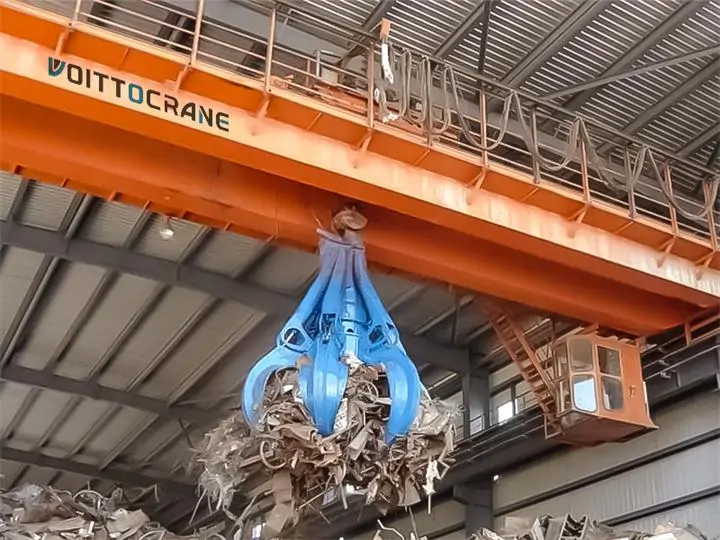
What Is a Magnetic Crane? Magnetic crane, also often referred to as a magnetic lifting crane or electromagnetic crane, is widely used in industries such as steel manufacturing, scrap recycling, and port logistics. It not only improves operational efficiency but also reduces the risks associated with manual handling, becoming an indispensable piece of equipment in the field of metal material handling. This article will provide a detailed explanation of its structure, working principle, types, maintenance, and safe use, hoping to assist you in selecting the right magnetic crane. Magnetic Crane Parts A magnetic crane typically consists of several parts that work together to complete material handling tasks. Crane Body: The main structure of the equipment, responsible for lifting, moving, and positioning loads. Many magnetic overhead cranes utilize a bridge structure to achieve efficient material transport. Magnetic Lifting Device: This is the core component of a lifting magnet crane, used to generate magnetic force to adhere to metal objects. Common types include electromagnets and permanent magnetic lifting devices. Control System: Used to operate and manage the crane’s operation. It controls the…

READ MORE
RTG rubber tyred gantry crane
14 March 2026

RTG Crane Inspection Checklist: What to Check, When, and Why It Matters

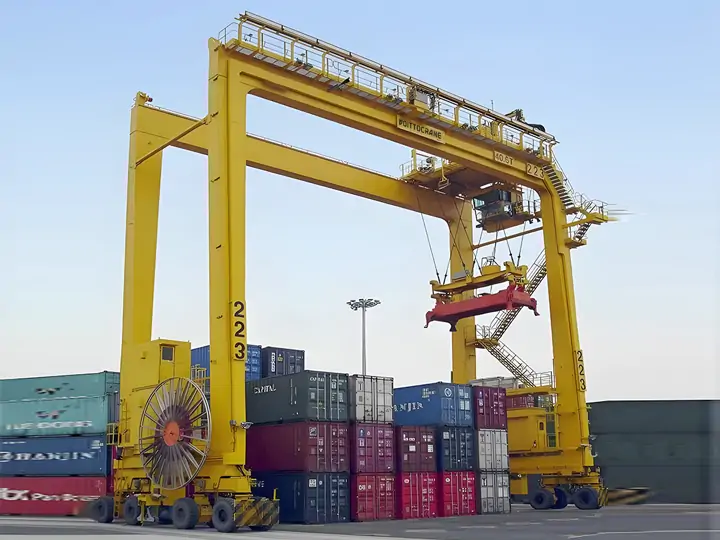
Missing a single inspection step on an RTG crane can turn a minor issue into a full equipment shutdown. For terminal maintenance teams managing high-cycle operations, a reliable RTG crane inspection checklist is not a formality — it is a frontline tool for protecting equipment, people, and productivity. This guide breaks down exactly what needs to be inspected, at what frequency, and what warning signs to watch for. Whether you are standardizing your existing process or building one from scratch, this checklist framework gives you a clear, practical starting point. Why a Structured Inspection Checklist Makes a Difference From Guesswork to Consistency Without a written checklist, inspection quality depends entirely on individual memory and experience. One operator may check tyre pressure and skip the cable reel. Another may focus on the spreader and overlook brake condition. The result is uneven coverage and missed faults. A structured checklist removes that variability. Every operator, every shift, covers the same ground in the same order. Issues get caught earlier. Repair costs stay lower. Downtime becomes more predictable and less frequent. Compliance and Liability…

READ MORE
cranes for ports
13 March 2026

Cranes for Ports: Types, Prices & Applications

Port cranes are the backbone of global maritime trade, handling millions of containers and bulk cargo daily at ports worldwide. Whether you are upgrading existing port infrastructure, constructing new terminals, or evaluating different types of cranes used in ports, this article provides valuable reference information. This comprehensive guide provides terminal operators, port authorities, and procurement professionals with detailed insights into cranes for ports. You’ll learn about different port crane types, operational capabilities, pricing considerations, and selection criteria that ensure your equipment investment delivers maximum throughput and ROI. How Do Port Cranes Work? The basic working principle of a port crane is to use an electric motor-driven wire rope to lift cargo. The trolley moves horizontally along the bridge or boom, positioning the cargo on the working span. Modern port cranes are equipped with advanced control systems that enable precise load positioning, anti-sway technology, and automated container loading and unloading. Operators work in a well-ventilated, enclosed cab with excellent visibility. Sophisticated sensors monitor load weight, position, and structural stress to ensure safe operation. Power systems typically utilize shore-based electrical supply, eliminating…

READ MORE
Small Overhead Crane
11 March 2026

10 Ton bridge Crane Buying Guide: Specs, Types & What to Ask Your Supplier

Choosing a 10 ton overhead crane is not a small decision. It affects daily operations, worker safety, and your facility’s long-term productivity. Yet many buyers rush the process — and end up with a crane that doesn’t fit their layout, duty cycle, or budget. This guide cuts through the confusion. Whether you’re comparing a 10 ton bridge crane for a new workshop or replacing aging equipment, you’ll find the practical information you need. We cover the key specs, the main crane types, what drives 10 ton overhead crane cost, and the questions you must ask before signing any purchase order. No jargon overload. No vague recommendations. Just the facts that help you decide. Understanding the 10 Ton Overhead Crane: What You’re Actually Buying What “10 Ton” Really Means The rated capacity of 10 tons (approximately 10,000 kg) tells you the maximum load of 10 ton bridge crane is designed to lift safely. But capacity alone does not tell the whole story. A crane’s safe working load (SWL) must account for the weight of the hook block, lifting attachments, and any…

READ MORE
Bridge Crane Vs Monorail Crane (1)
10 March 2026

Bridge Crane Vs Monorail Crane

Lifting equipment is mainly used in industrial production and is an important material handling device. It can efficiently complete the lifting and transportation of heavy objects, improve production efficiency, and reduce labor costs. Common types of lifting equipment include bridge crane vs monorail crane. How to choose a crane suitable for your working conditions? This article will compare and analyze them from the aspects of structure, working method, application scenarios, and selection. What is a Bridge Crane? It is a lifting device that runs on tracks above a factory building. It is also called an overhead crane or bridge crane and is mainly used for heavy object handling and lifting operations in workshops or warehouses. It moves horizontally along two parallel tracks through the bridge frame while the trolley moves longitudinally along the bridge. Combined with the hoisting mechanism to lift objects up and down, it forms a three-dimensional material handling system. A overhead crane usually consists of a bridge frame, traveling mechanism, trolley, hoisting mechanism, and electrical control system. Because of its large coverage area, high lifting capacity, and stable…

READ MORE
Portable Jib Crane On Wheels-3
09 March 2026

Best 2 Ton Jib Crane Manufacturers: How to Choose a Reliable Supplier

Choosing the wrong jib crane supplier costs more than money. It costs downtime, safety risks, and expensive replacements. If you are sourcing a 2 ton jib crane, the supplier you pick matters just as much as the crane itself. This guide helps you identify what separates a reliable manufacturer from a risky one — so you can buy with confidence. Whether you are upgrading a workshop, outfitting a new production line, or replacing aging equipment, the criteria in this article will give you a clear framework. We cover certifications, key technical specs, red flags to watch for, and questions to ask before signing any purchase order. What Makes a 2 Ton Jib Crane Manufacturer “Reliable”? Reliability is not a marketing claim. It is a combination of verifiable standards, production capability, and post-sale support. A trustworthy supplier will always be able to back up their claims with documentation. Certifications and Compliance Standards Any reputable 2 ton jib crane manufacturer should meet internationally recognized standards. The most important ones to look for include: If a supplier cannot provide these certifications upon request,…

READ MORE
Grab Overhead Crane Load Testing
08 March 2026

Overhead Crane Load Testing: What Safety Officers Need to Know to Stay Compliant and Avoid Costly Failures

Why Load Testing Is a Safety Officer’s First Line of Defense If you’re responsible for crane safety at your facility, overhead crane load testing is not optional — and it’s not just paperwork. It’s the single most reliable way to confirm that your overhead crane will perform safely before a real load hangs in the air. Many safety officers understand overhead crane load testing in theory. The real challenge is knowing exactly when it’s required, what the standards demand, and what happens when a test is missed or skipped. The financial and human costs of getting this wrong are significant. This article cuts through the regulatory complexity. You’ll leave knowing what OSHA requires for U.S. facilities, how EU Machinery Directive and EN 15011 govern load testing across Europe, what Russia’s EAC TR CU 010/2011 demands, and how a structured testing schedule protects your facility regardless of jurisdiction. What Overhead Crane Load Testing Actually Measures A load test is not simply “picking up a heavy object.” It is a controlled, documented process designed to verify that every structural and mechanical component…

READ MORE
Top