Fixed Scissor Lift Platform for Heavy-Duty Industrial Lifting
The fixed scissor lift platform is built for stable, high-capacity vertical lifting in warehouses, factories, production lines, and logistics centers. With a stationary steel structure and hydraulic lifting system, it delivers safe, reliable, and efficient material handling for continuous industrial operations.
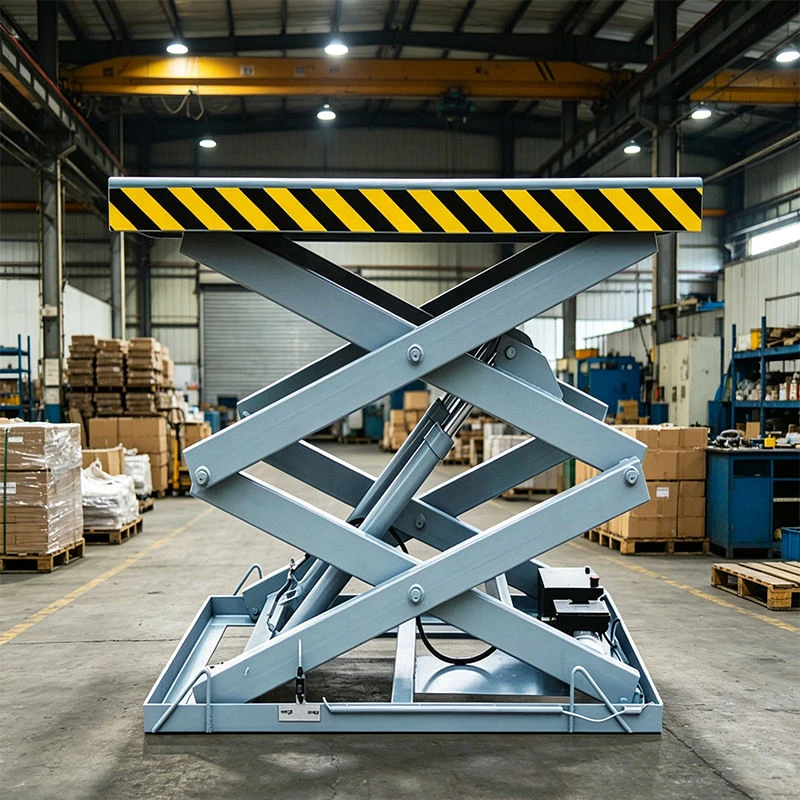
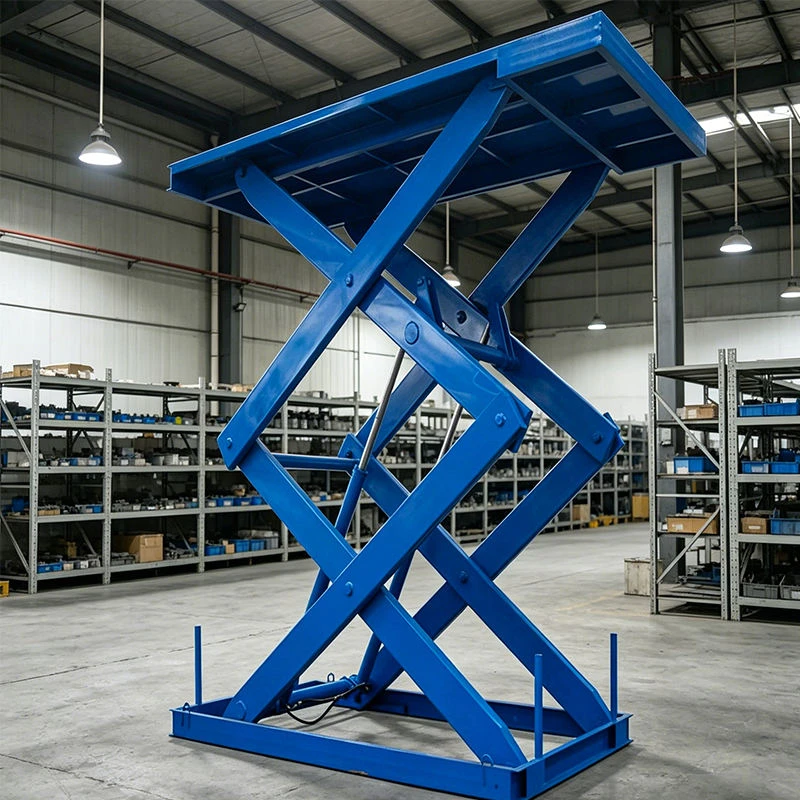
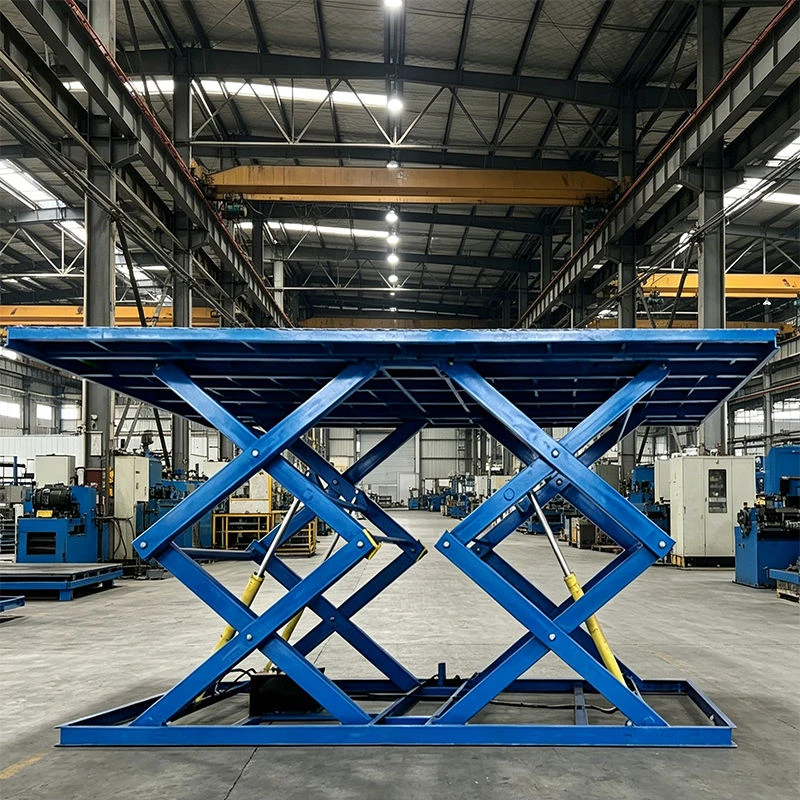
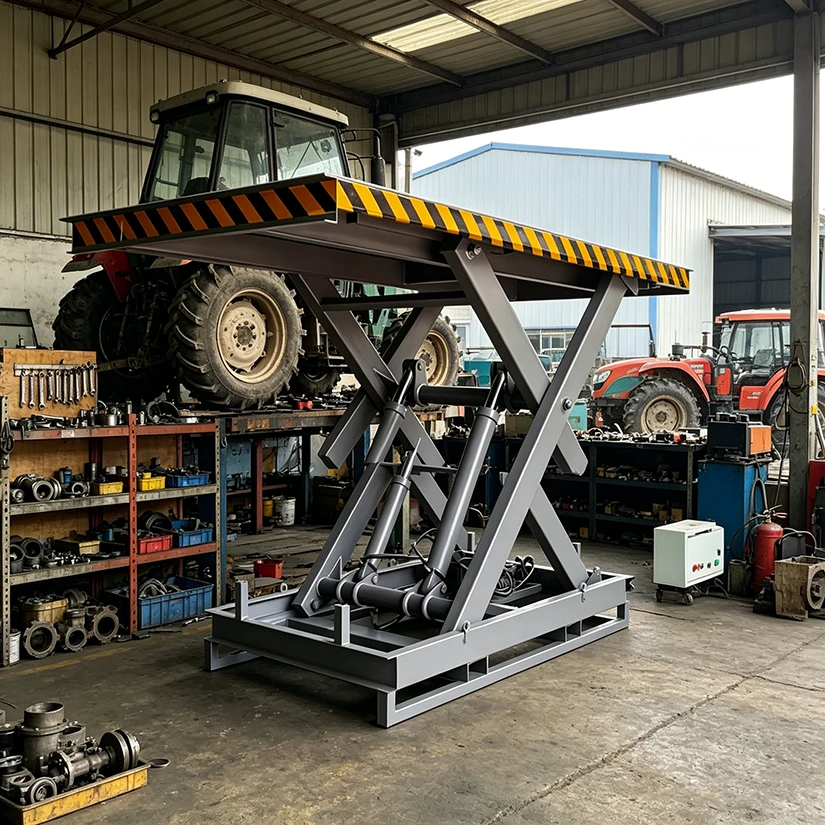
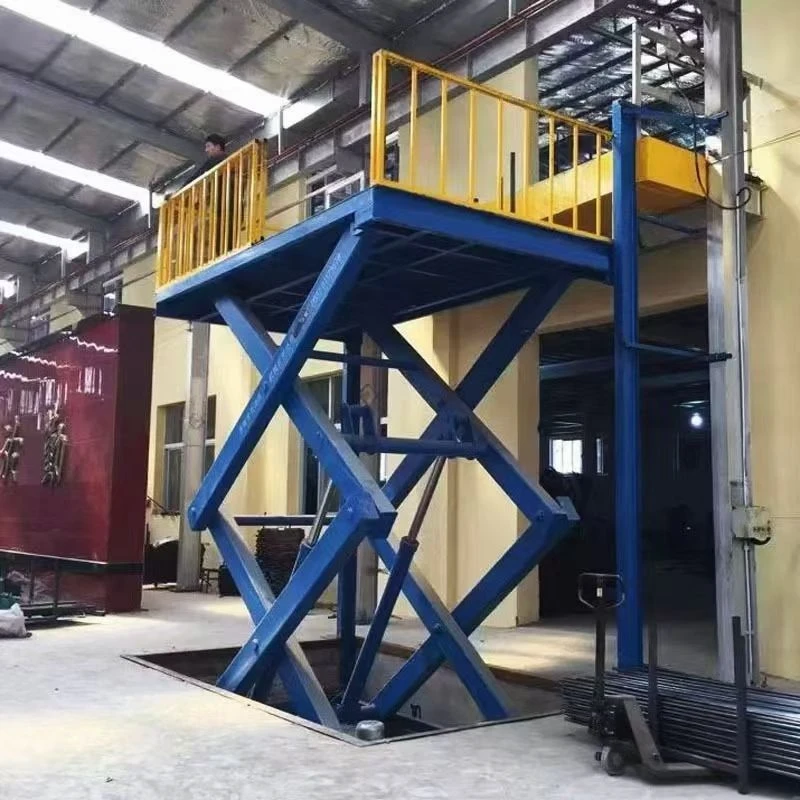
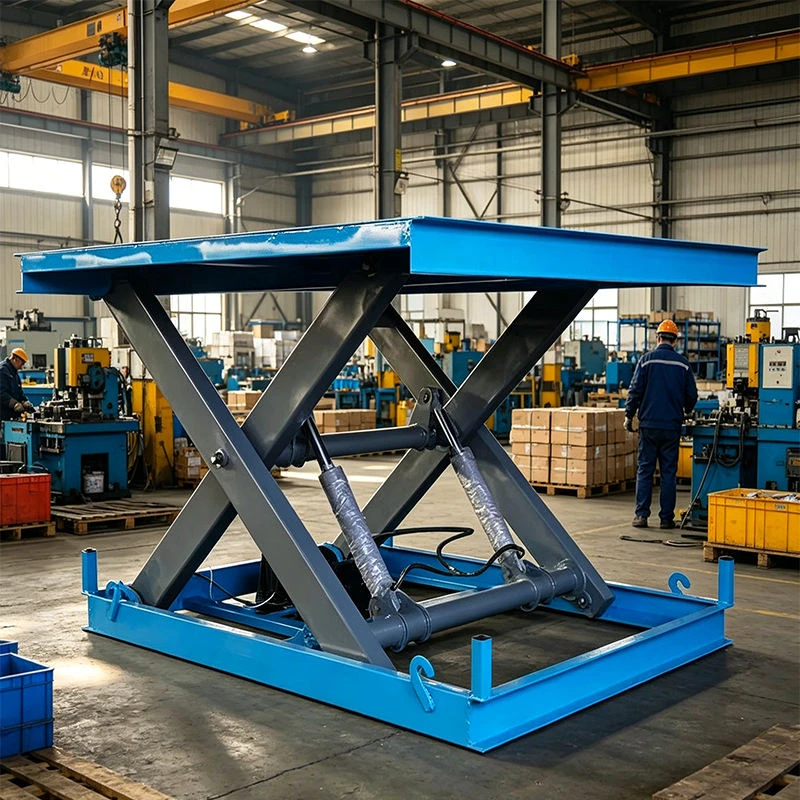
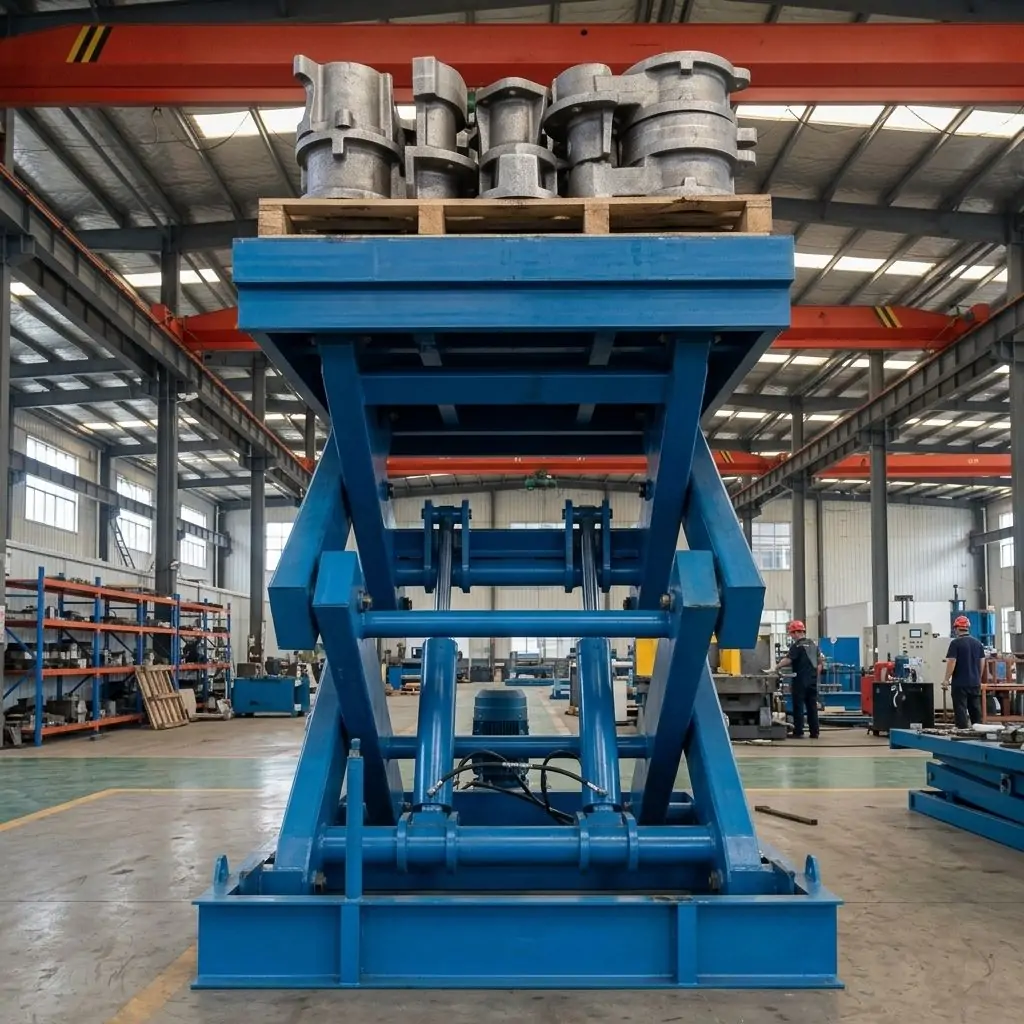
A fixed scissor lift platform is a stationary hydraulic lifting table installed on the floor or in a pit for vertical material handling. It uses a scissor-type hydraulic mechanism to raise and lower heavy loads smoothly and safely. Unlike mobile models, it has no mobility, which provides higher stability and stronger load capacity. It is widely used in production lines, warehouses, loading docks, and industrial assembly areas where continuous and reliable lifting operations are required.
Voitto Crane supplies fixed scissor lift platforms for safe and stable material lifting in production lines, warehouses, and loading areas. We provide custom options for load capacity, lifting height, platform size, and power system to match different working conditions.
Specifications
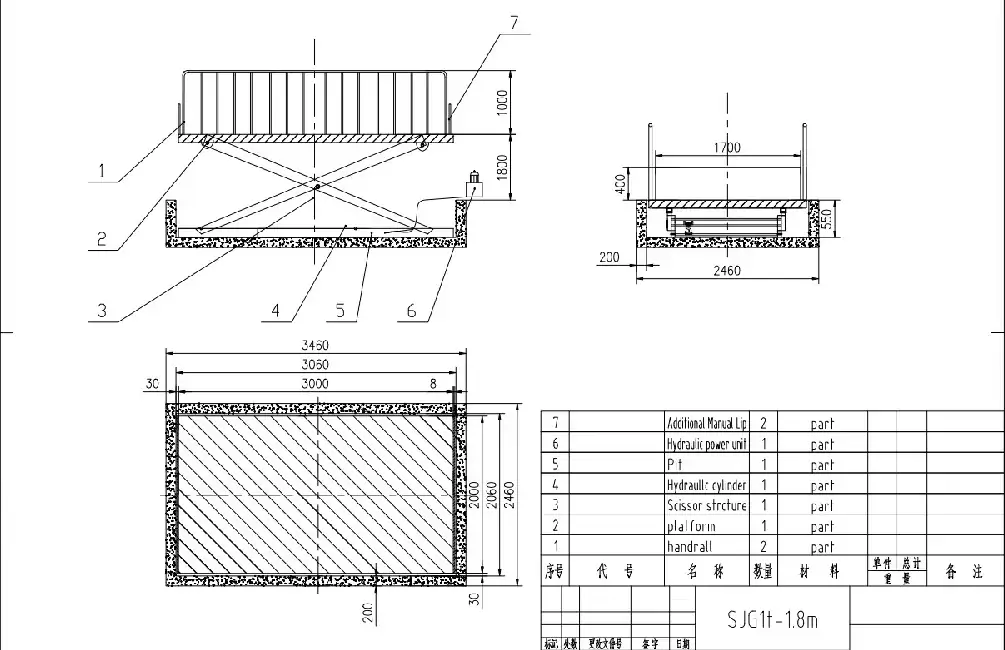
The following specifications are standard configurations. Custom designs are available based on your load, height, and installation requirements (floor-mounted or pit-mounted).
Model
Load Capacity
Lifting Height
Platform Size (L×W)
Pit Depth
Power Supply
Lifting System
Lifting Speed
Control System
Safety Features
Application
FSL-1T
1000 kg
1–3 m
2000 × 1500 mm
300–500 mm
380V / 50Hz
Hydraulic cylinder
3–5 m/min
Button / Remote
E-stop, overload, limit switch
Warehouse / workshop
FSL-3T
3000 kg
1–4 m
2500 × 1800 mm
400–700 mm
380V / 50Hz
Dual hydraulic system
2–4 m/min
Floor control + panel
Safety lock, overload protection
Production line
FSL-5T
5000 kg
1–5 m
3000 × 2000 mm
500–900 mm
380V / 50Hz
Heavy-duty hydraulic
2–4 m/min
Multi-point control
Anti-fall, E-stop, limit switch
Loading dock
FSL-10T
10000 kg
1–6 m
Custom size
600–1200 mm
380V / 50Hz
Reinforced hydraulic system
1–3 m/min
PLC / button control
Full safety system
Industrial heavy lifting
Features
The fixed scissor lift platform is designed for heavy-duty and continuous industrial lifting applications, offering high stability, strong load capacity, and safe vertical material handling. It is widely used in production lines, warehouses, and loading areas where reliable performance is required.
Heavy-Duty Steel Structure: Built with an industrial-grade steel frame to ensure long service life and strong structural strength.
Stable Stationary Installation: Floor-mounted or pit-mounted design provides excellent stability during continuous lifting operations.
High Load Capacity: Supports heavy loads from 1000kg to 10,000kg or more with customized configurations available.
Precise Hydraulic System: Equipped with a reliable hydraulic system for smooth lifting, low vibration, and safe operation.
Safety Protection System: Includes emergency stop, overload protection, and limit switch to ensure operational safety.
Custom Engineering Design: Available in customized platform size, lifting height, and integration options for different industrial layouts.
Applications
The fixed scissor lift platform is widely used in industrial material handling environments where heavy loads need to be lifted safely and efficiently between different working heights. It is commonly integrated into production systems to improve workflow, reduce manual labor, and ensure stable lifting performance in continuous operations.
Warehouse Loading & Unloading
Used as a warehouse lifting table for transferring goods between floors, storage racks, and loading areas.
Production Line Material Transfer
Installed in factories to support continuous material flow between different production stages.
Dock & Cargo Handling
Acts as an industrial loading platform for efficient loading and unloading of trucks and containers at docks.
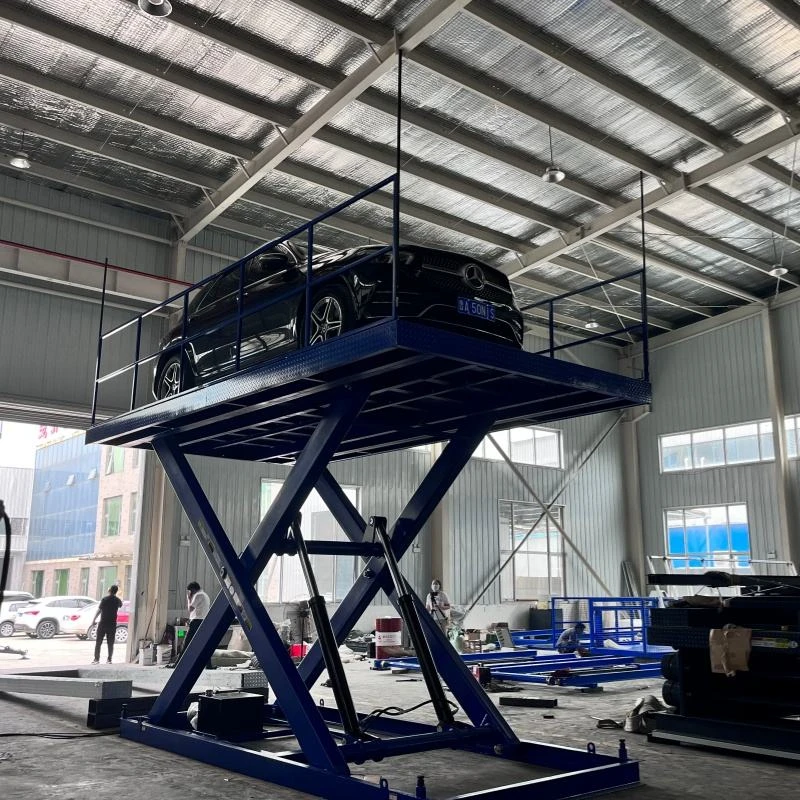
Automotive Manufacturing
Applied in assembly lines for lifting vehicle parts, engines, and components during production processes.
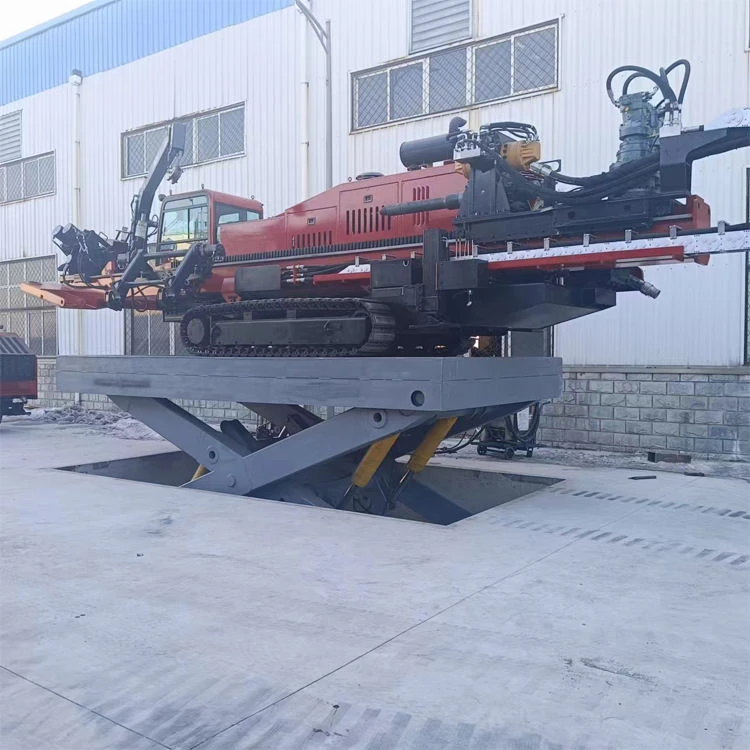
Heavy Equipment Assembly Lines
Used in heavy-duty environments to support safe positioning and assembly of large industrial equipment.
Logistics & Distribution Centers
Used in logistics hubs for fast and stable handling of pallets, cartons, and bulk goods between different workflow zones.
How to Choose the Right Fixed Scissor Lift Platform?
To choose the right fixed scissor lift platform, you need to match the equipment with your actual load, working height, and installation environment. If the specification is too low, it may affect safety and efficiency; if it is too high, you may increase unnecessary cost. Below are the key factors you should consider before purchasing.
Load Capacity Requirement
The total weight of any cargo, pallet, or equipment being lifted should be calculated each time. For most industrial applications, the typical weight range is 1,000 to 5,000 kilograms, while heavy-duty applications may require 10,000 kilograms or more.
Lifting Height
You need to confirm the height difference between working levels. Standard models cover 1m–6m lifting height, depending on whether you are working on floors, docks, or production lines.
Installation Type (Pit or Floor Mounted)
If your site allows excavation, a pit-mounted design provides a flush surface and easier loading. If not, a floor-mounted platform is more flexible for installation.
Work Frequency
If you use the platform frequently (multiple cycles per hour), you should choose a heavy-duty hydraulic system designed for continuous operation to ensure long service life.
Platform Size
You should choose a platform size based on your cargo dimensions and handling method. Larger platforms improve efficiency but require more installation space.
Safety Requirements
We recommend checking essential safety features such as emergency stop, overload protection, and limit switches, especially for high-frequency industrial use.
If you share your working conditions with us, we can recommend the most suitable fixed scissor lift platform for your project and help you avoid over-spec or under-spec selection.
Custom Fixed Scissor Lift Platform
Voitto Crane provides custom fixed scissor lift platform solutions designed for different industrial lifting needs such as warehouses, production lines, and loading docks. We can design and manufacture according to your working conditions to ensure stable performance, safe operation, and efficient material handling.
Why Choose Us as Your Fixed Scissor Lift Platform Manufacturer?
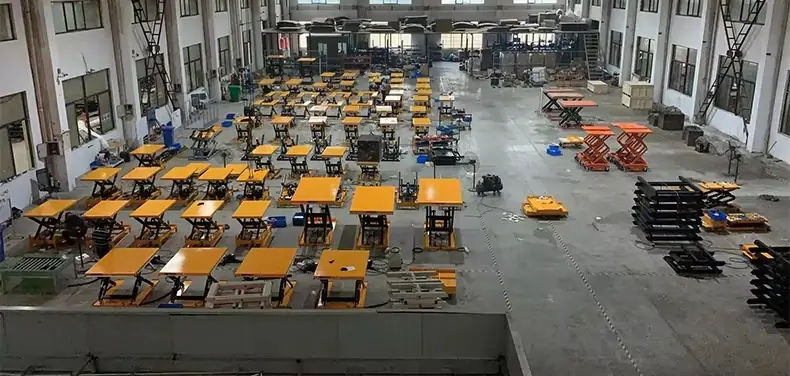
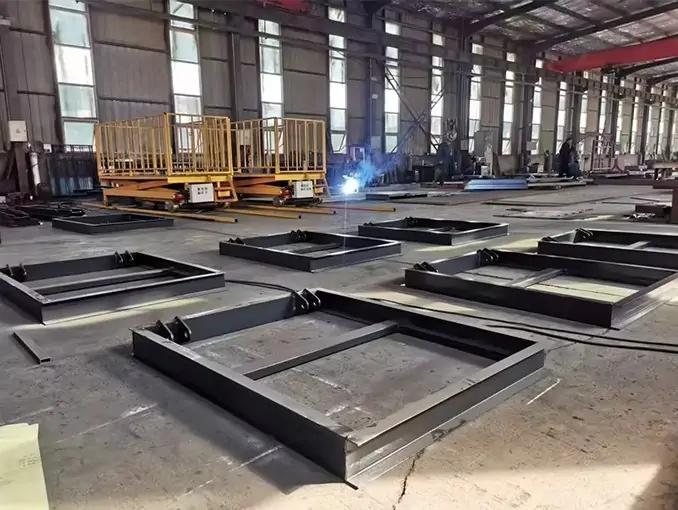
Voitto Crane has more than 10 years of experience in industrial lifting equipment manufacturing, focusing on the design and production of fixed scissor lift platforms for warehouses, factories, and logistics systems. Our products are built under strict quality control and meet international standards, with CE, ISO, and SGS certifications ensuring safety and reliability in global applications. With delivery experience in over 117 countries and regions, we understand different working environments and provide stable solutions that match real industrial needs.
We also offer strong engineering customization capabilities (OEM/ODM) to support different project requirements, including load capacity, platform size, and installation structure. Our professional after-sales team provides installation guidance, spare parts supply, and technical support, helping customers reduce downtime and maintain long-term operational efficiency. Voitto Crane is committed to delivering not only equipment, but also complete lifting solutions that improve productivity and safety.
FAQs
1. What is the main difference between fixed and mobile scissor lift platforms?
Fixed scissor lift platforms are stationary and designed for high-load, continuous operation, while mobile scissor lift types can move freely. Fixed models offer higher stability, stronger load capacity, and are better for production lines and dock applications.
2. How much load can a fixed scissor lift platform handle?
Standard models support 1000kg to 10,000kg, while customized heavy-duty versions can exceed 20,000kg depending on structure design, hydraulic system, and installation requirements.
3. How much does a fixed scissor lift platform cost?
Price typically ranges from $3,000 to $15,000+, depending on lifting height, load capacity, platform size, and safety configuration. Custom designs may require separate quotation.
4. Is pit installation necessary for fixed scissor lifts?
Pit installation is optional. It provides a flush surface for easier loading, but floor-mounted versions are also available if excavation is not possible at your site.
5. How often does a fixed scissor lift need maintenance?
outine inspection is recommended every 1–3 months, including hydraulic oil, safety systems, and structure checks to ensure stable and safe long-term operation.
6. Can the platform be customized for my production line?
Yes, we provide OEM/ODM customization including platform size, lifting height, load capacity, control system, and integration with conveyor or production systems.
7. What safety systems are included in the equipment?
Standard safety features include emergency stop, overload protection, limit switches, and anti-fall hydraulic locking systems to ensure safe operation under all working conditions.
8. What industries commonly use fixed scissor lift platforms?
They are widely used in warehouses, manufacturing plants, logistics centers, automotive assembly lines, and loading docks for efficient vertical material handling.
Qualification and Honor
Engineered Strength, Global Crane Supplier
service
Exclusive and Considerable, Customer First.
01
Reliable and Customized Solutions
Our pre-sale team provides consultations, tailoring solutions to your needs and environment.
Offer customization options for lifting capacity, span and lifting height etc. to meet specific needs.
02
Updated Production Process
Real-Time Progress Updates: Weekly reports and PM communication.
3-5 years warranty and free replacement for non-manufacturing defects.
24/7 online support and on-site assistance for crane issues.
FAQ
Engineered Strength, Global Crane Supplier
How to Choose the Suitable Type of Jib Cranes?
A: There are several types jib crane, pillar mounted, wall mounted, wall travelling, portable type and articulating type. Your may tell us your working condition, lifting material, arm length and lifting height. We could offer you a satisfying solution to meet your needs.
How to decide the cantilever length and rotation radius?
A: The cantilever length needs to be determined based on the layout of work space and lifting range (e.g. a long and narrow workshop may require a 10-meter cantilever jib crane).
Insufficient rotation radius may lead to limited operation, and needs to be selected in combination with on-site measurement data.
What voltage standards do your gantry cranes support?
Our gantry cranes support global voltage standards to ensure seamless operation worldwide. Solve any concerns you have about voltage.
How are large gantry cranes shipped overseas?
Large gantry cranes are typically shipped overseas through modular disassembly, where the crane is broken down into major components (beams, legs, hoists) for containerized transport. For mega-cranes, we use specialized heavy-lift vessels equipped with reinforced decks, and critical parts are protected with anti-corrosion coatings during transit.
Have your gantry cranes been used in major infrastructure projects?
Yes, our gantry cranes have participated in large-scale bridge construction projects and railroad construction in Brazil, Pakistan, Indonesia, Malaysia, Egypt, and other countries, in which we have played a particularly key role and contributed to these construction projects!
Get In Touch
Please feel free to leave a message. We will reply in 24 hours.
Please specify your requirement by referring to the following aspects:
Which crane product do you need?
What is the maximum lifting capacity (in tons) required for your project?
Could you specify the lifting height (in meters) needed?
Can you provide details on the working environment, such as ground conditions, space limitations, and any obstacles?
What is the expected frequency of use and the duration of the project?



 English
  Español
  Português
  العربية
  Français
  Русский