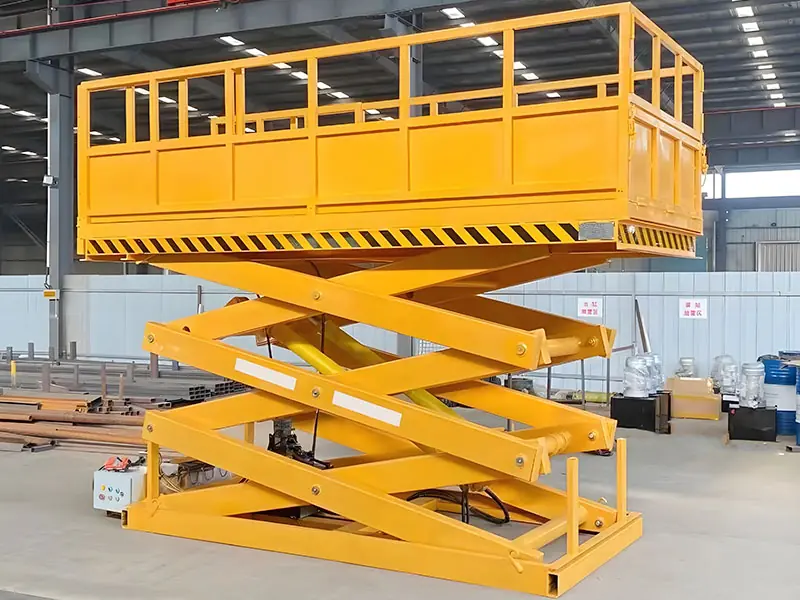
Heavy Duty Lifting Scissor Platform is an industrial-grade hydraulic lifting solution designed for efficient and safe vertical handling of heavy cargo. It is widely used in warehouses, manufacturing plants, and logistics centers for lifting, positioning, and material transfer tasks with high stability and reliability.
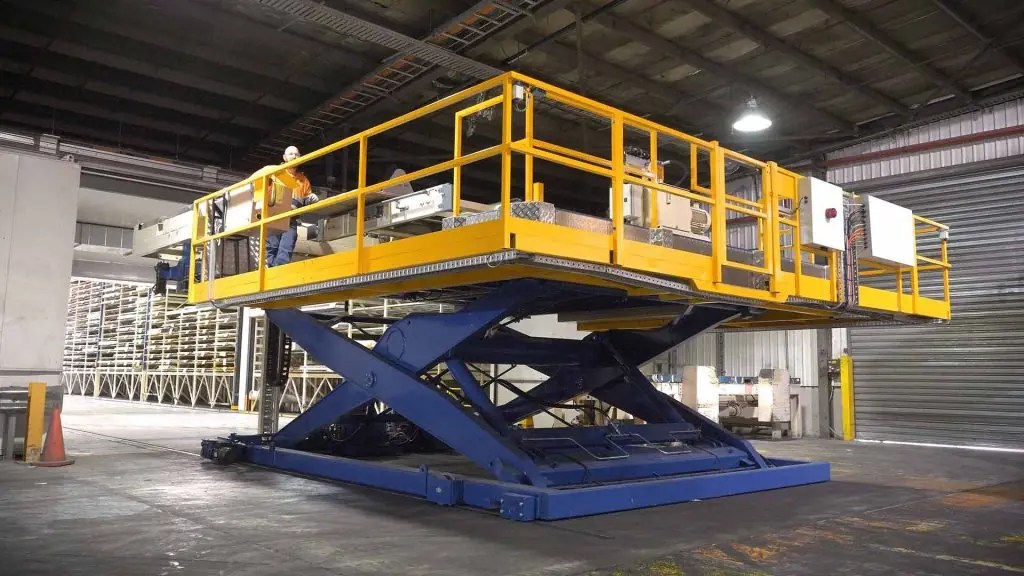
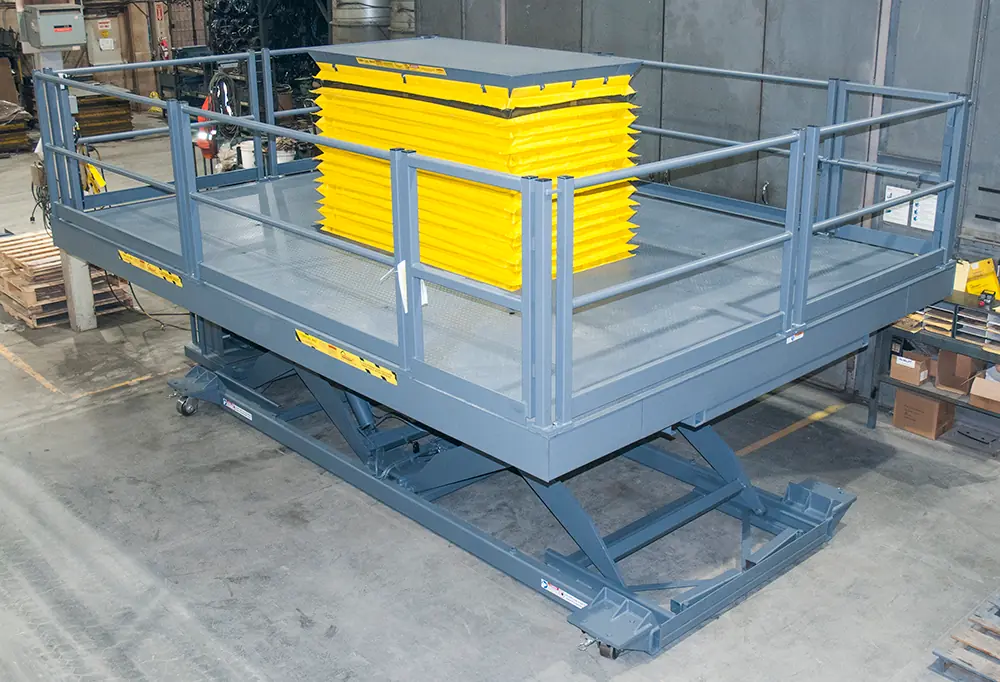
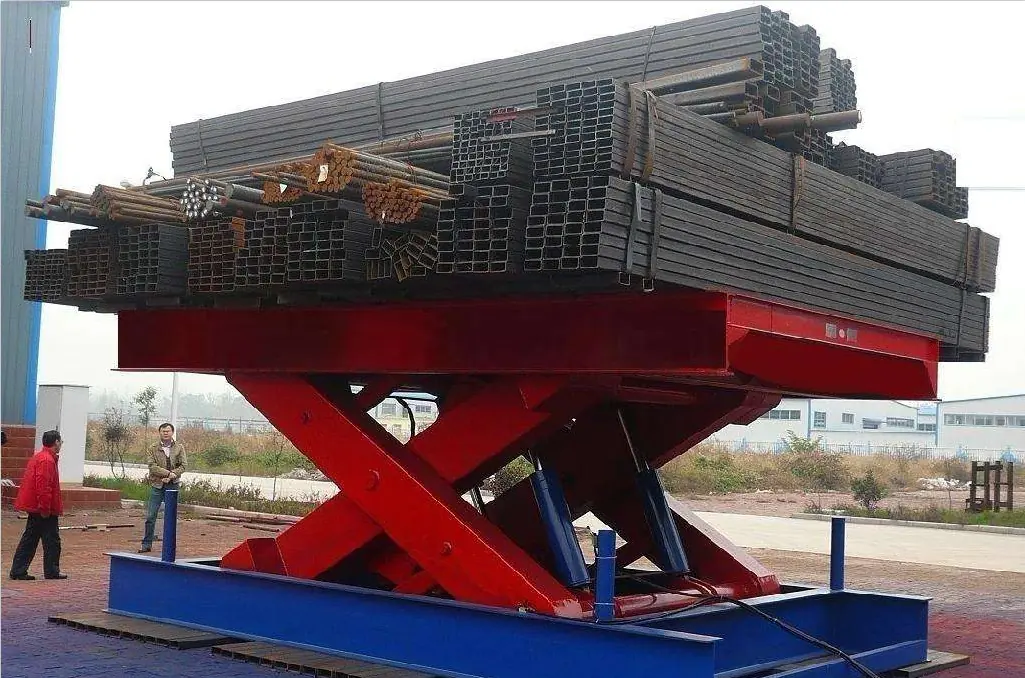
Heavy duty lifting scissor platforms are industrial material handling systems that use a hydraulic scissor mechanism to lift, lower, and position heavy loads. Featuring a reinforced steel structure, these platforms offer high load-bearing capacity and provide stable vertical movement for goods, machinery, and production materials in demanding industrial environments.
Industrial scissor lift platforms are widely used in warehouses, factories, logistics centers, and production lines, where they enhance operational efficiency and reduce the risks associated with manual handling. It is reliable cargo lifts and heavy-duty lifting platforms that provide safe, precise, and consistent lifting performance for modern industrial workflows.
Features of Industrial Scissor Lift Platform
Industrial scissor lifts are specifically designed for safe and efficient vertical transport of heavy loads in warehouses, factories, and logistics operations. They utilize hydraulic power and a reinforced structure to ensure stable industrial performance.
High Load Capacity: The heavy-duty lifting scissor platform supports large and heavy cargo, delivering stable lifting performance for industrial use.
Hydraulic Lifting System: As a hydraulic scissor lift platform, it offers smooth, stable, controlled vertical movement with consistent operation.
Heavy-Duty Steel Structure: The heavy-duty lift table uses reinforced steel for durability and resistance to deformation in long-term operation.
Safety Protection Design: Equipped with overload protection and limit switches, the platform supports safe operation during lifting processes.
Efficient Material Handling: As a cargo lifting platform, it reduces manual labor and improves efficiency in vertical material transfer.
Stable Industrial Performance: The industrial scissor lift platform supports continuous operation in demanding industrial environments with stable performance.
The industrial scissor lift platform delivers a combination of strength, stability, and efficiency, becoming the core solution for modern industrial material handling systems.
Parts
A heavy-duty lifting scissor platform consists of key mechanical, hydraulic, and control components that work together to support stable lifting, precise positioning, and safe operation in industrial material handling environments.
Safety Protection SystemControl SystemHydraulic CylinderHydraulic Power UnitPlatform TableScissor Arm Structure
Platform Table: The load-bearing surface for cargo is designed with reinforced steel for high strength and durability.
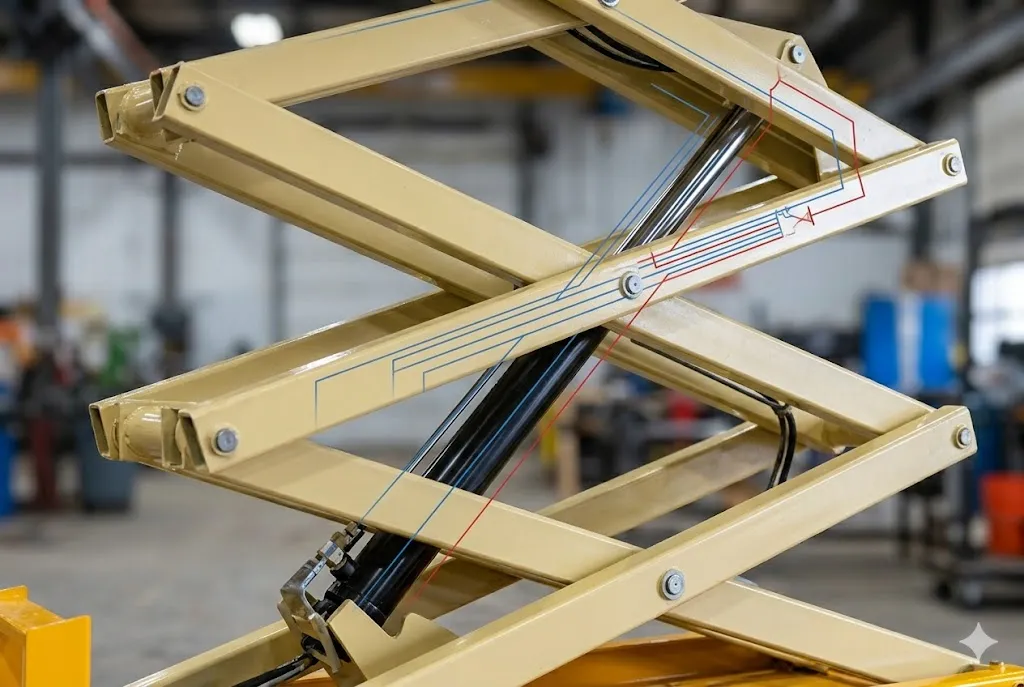
Scissor Arm Structure: The core mechanical frame expands and contracts to enable vertical lifting and lowering movement.
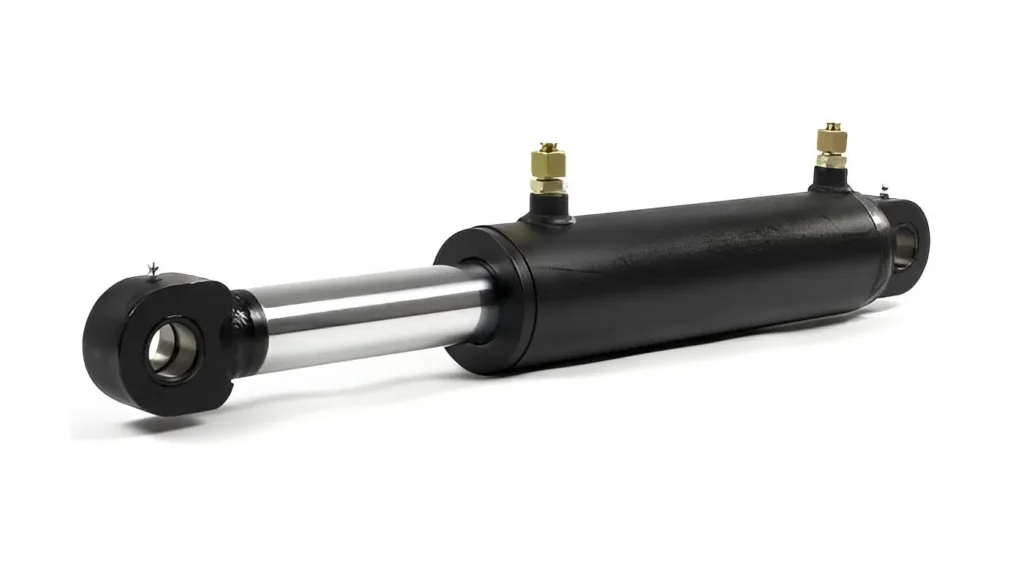
Hydraulic Cylinder: Provides lifting force for the hydraulic scissor lift platform, supporting smooth and controlled motion.
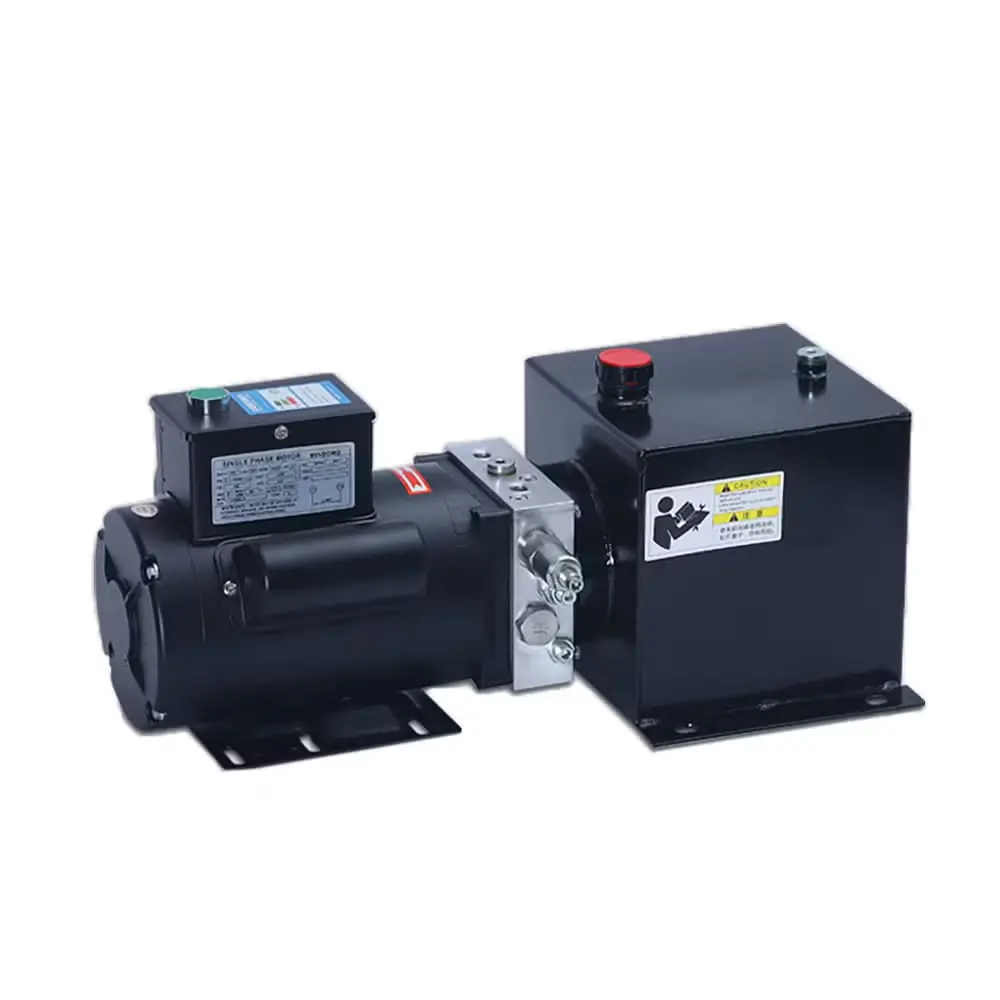
Hydraulic Power Unit: Supplies hydraulic pressure, consisting of a motor, a pump, and an oil tank for system operation.
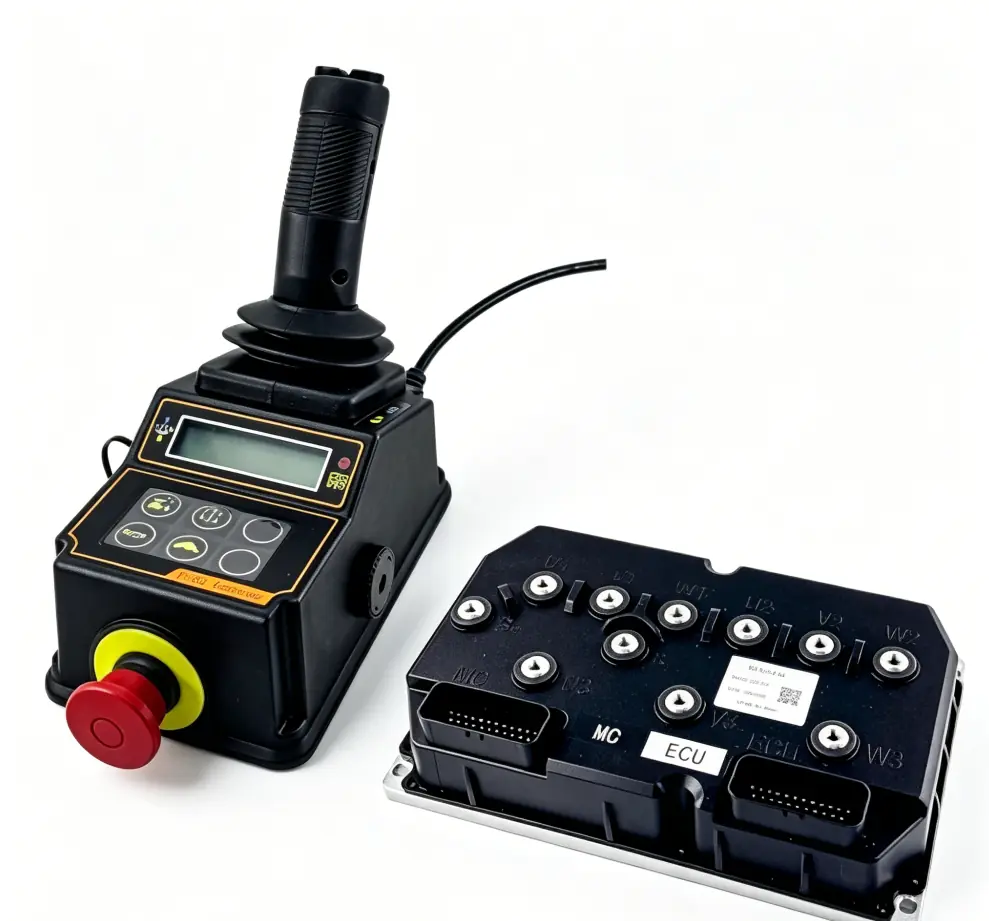
Control System: Operates the heavy-duty lift table via control panel, buttons, or remote control for lifting adjustments.
Safety Protection System: Includes overload protection, limit switches, and emergency stop functions for safe operation.
The cargo lifting platform integrates structural, hydraulic, and safety components to deliver reliable performance in heavy-duty industrial applications.
Specifications
Below are the typical technical specifications of a heavy-duty lifting scissor platform used in industrial material handling applications. Final parameters can be adjusted according to working requirements.
Item
Specification
Load Capacity
1,000 kg – 20,000 kg (customizable)
Platform Size
1300 × 800 mm to 6000 × 2500 mm (customizable)
Lifting Height
500 mm – 10,000 mm
Lowered Height
80 mm – 600 mm
Lift Speed
3 – 6 m/min (adjustable)
Power Supply
220V / 380V / 415V / 50–60Hz
Drive System
Hydraulic system
Hydraulic Pressure
10 – 25 MPa
Control Mode
Push-button control / Remote control / PLC system (optional)
Structure Material
High-strength steel Q235 / Q355
Surface Treatment
Anti-rust painting / Powder coating
Safety System
Overload protection, limit switch, emergency stop
Installation Type
Fixed / Pit installation / Mobile (optional)
The industrial scissor lift platform can be customized according to specific industrial requirements, including load capacity, platform dimensions, lifting height, power configuration, control system, and safety protection level.
Application
A heavy-duty lifting scissor platform is widely used in industrial material handling systems where safe and efficient vertical lifting of heavy loads is required.
Warehouses & Logistics Centers
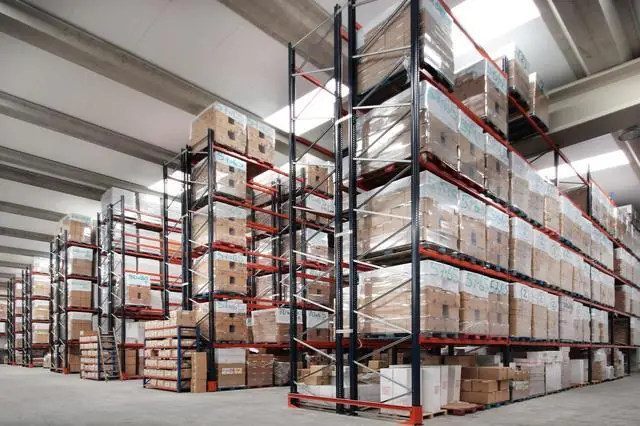
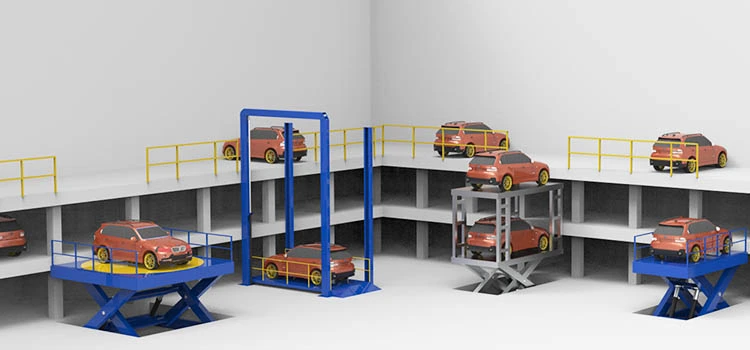
The cargo lifting platform is used for loading, unloading, and transferring goods between different storage levels.
Manufacturing & Assembly Lines
The industrial scissor lift platform supports production processes by adjusting working height and moving heavy components.
Automotive Industry
The heavy-duty lift table is used for lifting vehicle parts, engines, and assemblies during manufacturing and maintenance.
Construction & Maintenance Sites
The platform provides stable lifting support for equipment installation, repair work, and elevated material handling.
Industrial Workshops
The hydraulic scissor lift platform is used for positioning heavy tools, molds, and machinery during operation.
Storage & Distribution Systems
The platform improves efficiency in material transfer and stacking operations within storage facilities.
The heavy-duty lifting scissor platform serves as a key solution for safe, stable, and efficient vertical material handling across multiple industrial sectors.
Why Choose VIOTTO Heavy-Duty Lift Table?
Our heavy-duty lift table is designed for reliable performance in demanding industrial material handling environments, combining strength, stability, and long service life.
Strong Load Capacity Design: The heavy-duty lifting scissor platform supports high loads, suitable for continuous industrial operation in warehouses and factories.
Stable Hydraulic System: The hydraulic scissor lift platform delivers smooth lifting performance with stable pressure control for safe operation.
Durable Industrial Structure: Reinforced steel construction improves resistance to deformation and supports long-term heavy-duty use.
Flexible Custom Options: The industrial scissor lift platform allows customization in load capacity, size, lifting height, and control system.
Strict Quality Control: Each cargo lifting platform follows standardized inspection processes to maintain consistent performance and reliability.
Wide Industrial Application: The platform fits warehouse logistics, manufacturing, automotive production, and other heavy material handling environments.
This heavy-duty lift table provides a dependable solution for efficient, safe, and stable vertical material handling in industrial operations.
Custom Options of Heavy-Duty Lifting Scissor Platform
The heavy-duty lifting scissor platform can be configured to meet different industrial requirements.
Load Capacity Customization: Adjustable from light-duty to high-capacity industrial loads.
Platform Size Customization: Tailored table dimensions based on workspace and material size.
Lifting Height Options: Custom lifting range for different working height requirements.
Power Supply Configuration: Options for 220V, 380V, or industrial voltage systems.
Control System Options: Selection of push-button control, remote control, or PLC system.
Safety System Upgrades: Additional protection, such as enhanced overload protection and emergency stop systems.
Installation Type Options: Fixed installation, pit installation, or mobile structure available.
Heavy Duty Lifting Scissor Platform Manufacturer and Supplier
VIOTTO is a professional heavy-duty lifting scissor platform manufacturer and supplier, providing reliable industrial lifting solutions for warehouses, factories, and logistics applications.
Our industrial scissor lift platform is designed for stable performance, high load capacity, and long service life. As a trusted cargo lifting platform supplier, we offer customized solutions to meet different working requirements. Contact us to get technical details, pricing, and customized solutions for your project.
How to Choose the Right Scissor Lift Platform?
Selecting the right scissor lift platform depends on working conditions, load requirements, and application environment. A suitable configuration improves safety, efficiency, and long-term performance in industrial material handling.
Load Capacity Requirement: Choose a heavy-duty lift table based on the maximum weight of materials to ensure safe and stable operation.
Lifting Height Range: Select the appropriate lifting height according to floor-to-floor distance or working elevation needs.
Working Environment: Consider indoor or outdoor use, floor conditions, and space limitations when choosing an industrial scissor lift platform.
Platform Size: Match the platform dimensions with cargo size and handling frequency to ensure efficient operation.
Power and Control System: Select suitable hydraulic power options and control modes such as manual buttons, remote control, or PLC system.
Safety Requirements: Ensure necessary safety features are included, such as overload protection, limit switches, and emergency stop systems.
Choosing the right cargo lifting platform requires matching technical specifications with actual application needs to ensure safe, stable, and efficient industrial performance.
Installation & Maintenance
Installation
Site Preparation: Ensure the installation area is flat, stable, and suitable for the heavy-duty lifting scissor platform.
Foundation Setup: Prepare pit installation or base frame according to platform structure requirements.
Equipment Positioning: Place the industrial scissor lift platform in the correct position and align it with the working layout.
Hydraulic Connection: Connect the hydraulic pipelines and the power unit to ensure stable system operation.
Electrical Wiring: Complete control system wiring for the power supply and operation panel connection.
System Testing: Run no-load and load tests to confirm smooth lifting and safety performance.
Maintenance
Hydraulic Oil Check: Regularly inspect the oil level and replace the hydraulic oil when necessary.
Structural Inspection: Check the steel structure and scissor arms for wear, cracks, or deformation.
Lubrication Maintenance: Lubricate moving parts to ensure smooth operation of the hydraulic scissor lift platform.
Safety System Check: Test limit switches, overload protection, and emergency stop functions.
Electrical System Inspection: Ensure the control panel, wiring, and switches operate properly.
Routine Cleaning: Keep the platform surface clean to maintain the stable performance of the cargo lifting platform.
Qualification and Honor
Engineered Strength, Global Crane Supplier
service
Exclusive and Considerable, Customer First.
01
Reliable and Customized Solutions
Our pre-sale team provides consultations, tailoring solutions to your needs and environment.
Offer customization options for lifting capacity, span and lifting height etc. to meet specific needs.
02
Updated Production Process
Real-Time Progress Updates: Weekly reports and PM communication.





 English
  Español
  Português
  العربية
  Français
  Русский