blog

crane winch for sale
14 May 2026

Crane Winch for Sale: Types, Uses & Buying Guide

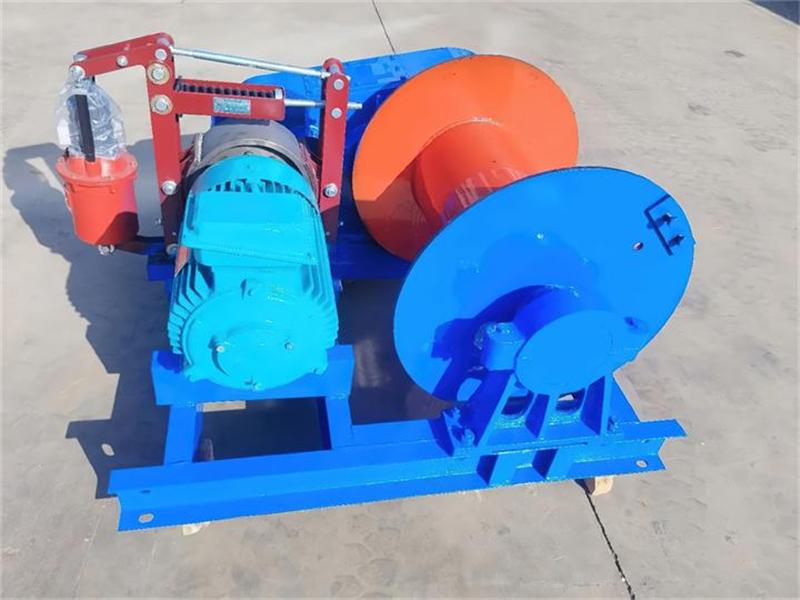
When sourcing a crane winch for sale, the first decision point is equipment classification. A crane winch is a mechanical transmission device installed on overhead cranes, gantry cranes, or port cranes. As part of the lifting system, this device raises and lowers heavy loads vertically by winding and unwinding steel wire ropes. This device functions as a lifting mechanism that raises and lowers heavy loads vertically by winding and unwinding steel cables. It is not a standalone ground winch. It is an integrated lifting component, designed and rated specifically for repeated lifting cycles within a defined load class. When a crane winch for sale, most buyers make the same mistake: they confuse it with a general-purpose winch. These two types of equipment differ significantly in their engineering design standards and have different duty ratings, they are not interchangeable. In this guide, we will explain the definition of a crane winch, the differences between the main types, and the key questions you should ask before making a purchase. Difference Between Crane and Winch A crane is the complete lifting machine —…

READ MORE
winch vs hoist
12 May 2026

Winch vs Hoist : How to Choose the Right Lifting Drive for Your Crane

If your lifting application meets the following criteria: a lifting capacity of less than 32 tons, a lifting height of 30 meters or less, and a duty class at or below FEM 3m (ISO M6). Then an electric wire rope hoist is almost always the ideal choice, offering greater cost-effectiveness and shorter lead times. Once these thresholds are exceeded, or when the crane is custom-designed for specific operating conditions such as those found in ports, shipyards, or the metallurgical industry, an industrial winch becomes the only viable option. When choosing between a winch vs hoist, the key to making this decision does not lie in which type of equipment is capable of lifting heavy loads (since both are equally capable), but rather depends on four key parameters that are often misunderstood during the procurement process: maximum working load rating, wire rope drum flexibility, lifting height, and the equipment’s long-term maintainability. This article will provide an in-depth analysis of the structural differences between these two drive systems, comparing them across eight key parameters critical to procurement decisions. It will also highlight…

READ MORE
Overhead Crane Wheels
11 May 2026

Crane Wheels for Sale: Types, Specifications & Pricing Guide (2026)

Crane wheels for sale range from $30 to $2,000+ per unit — depending on diameter, material, flange type, and load rating. A W315×100 forged steel wheel for a 12–20 ton overhead crane typically costs $80–$180 FOB factory. A heavy-duty W800×180 forged 42CrMo wheel for port or metallurgical service can exceed $1,500. Choosing wrong costs more than the wheel itself. A mismatched flange causes lateral drift under load. Insufficient surface hardness accelerates flat-spotting and rail gouging — forcing both the wheel and track to be replaced together. In a production facility running two shifts, a single unplanned shutdown can cost more than an entire set of replacement wheels. This guide gives procurement managers and equipment engineers everything they need: the three flange types, full specification tables from W200 to W1000, a realistic price reference by size, a step-by-step selection checklist, and the questions every supplier should answer before you place an order. Quick Reference: Crane Wheel Types & Price Ranges Wheel Type Flange Typical Use Load Range Price Range (FOB) Flangeless Wheel None Follower/passive end of trolley 5–50 t $30–$200 Single…

READ MORE
what is a winch drum
30 April 2026

What Is a Winch Drum? Types, Function, and How to Choose

A winch drum is the cylindrical spool around which a rope or wire rope wraps when a winch lifts or releases a load. The crane winch drum is the core mechanical component of a winch. By winding steel cable layer upon layer, this device converts the torque generated by an electric motor or engine into a linear pulling force. Unlike a block-and-tackle system, which uses multiple pulleys to redirect force, a winch drum stores the rope and directly controls how much line is paid out or retrieved. When selecting a winch, the first factor users must determine is the type of drum. Different drum configurations handle the rope in different ways. If the wrong type is chosen, it will adversely affect pulling capacity, rope service life, and operational control. Next, this article will introduce what a crane winch drum is and the different types available to assist users in selecting the most suitable winch equipment. How a Winch Drum Works The drum is mounted on a central shaft driven by a gearbox connected to an electric motor, hydraulic motor, or…

READ MORE
winch for crane
29 April 2026

Winch for Crane: How to Choose the Right One for Overhead Crane, Gantry Crane, and Port Crane Applications

If users select the wrong winch for crane, it will not only slow down operations but also pose serious safety hazards. Whether you are selecting equipment for bridge cranes in steel mills, gantry cranes in shipyards, or container handling cranes in ports, the winch is always the “mechanical heart” of the entire lifting system. If the wrong model is chosen, users face a range of serious consequences, including premature equipment failure, regulatory violations, and substantial costs due to repair downtime. This guide covers the main types of hoisting winches commonly used in various crane systems and explains how to select the appropriate hoist specifications based on actual load requirements and operating conditions. In addition, the guide highlights key factors to prioritize when selecting industrial-grade hoists for lifting applications. This guide will help users make informed decisions and ask more targeted and professional questions when communicating with suppliers. What Is a Crane Winch and Why Does It Matter A crane winch is a mechanical device. This equipment lifts, lowers, or positions heavy loads by winding or unwinding steel wire ropes. In…

READ MORE
Orange Peel Grab Bucket
29 April 2026

Grab Bucket Buying Guide: Types, Capacity & Price Explained

Buying a grab bucket without a clear framework is like ordering a crane by horsepower alone. The number tells you almost nothing useful. The right grab bucket depends on three things your supplier rarely asks upfront: what material you’re handling, what crane you’re connecting it to, and what throughput your operation actually demands. This guide gives procurement teams a practical, structured answer to all three. You’ll find a breakdown of every major grab bucket type organized by two different classification frameworks, a capacity sizing method you can apply before requesting a quote, and realistic 2026 price benchmarks across the main product categories. Technical comparison tables and a FAQ section are included to support internal decision-making and supplier conversations. If you’re evaluating grab buckets for a port terminal, steel mill, scrap yard, power plant, or waste-to-energy facility, the information here will help you move from shortlist to specification faster—and with fewer costly surprises on delivery. Why Grab Bucket Selection Gets Complicated The grab bucket market looks straightforward from the outside: a mechanical jaw that opens, fills, and closes. In practice, buyers…

READ MORE
how to use an electric winch
28 April 2026

How to Use an Electric Winch: A Beginner’s Guide

An electric winch is a motorized pulling device that winds a steel cable or synthetic rope around a drum to move or recover heavy loads. It runs on electricity—typically from a vehicle battery or a dedicated power source. The key difference from a hand winch or come-along is that an electric winch can pull continuously without operator fatigue, and it can handle significantly heavier loads. What an Electric Winch Actually Does? An electric winch converts electrical power into rotational force. The motor drives a gear train—a set of interlocking gears that multiply the torque, which turns the drum that winds in the rope or cable. A remote control or handlebar switch lets the operator pay out (unspool) or retrieve (wind in) the line without standing next to the winch. A common misconception among first-time users is to view a winch’s rated load as a fixed limit. For example, a winch with a rated load of 9,000 pounds can only truly exert that pulling force when the cable is wound on the innermost layer (i.e., the first layer) of the drum.…

READ MORE
how does an electric winch work
23 April 2026

How Does an Electric Winch Work?

An electric winch is a mechanical load-handling device. Typically, users use this device for lifting and towing operations in industrial, marine, and off-road environments. However, for procurement teams and end users, its internal mechanics often remain a “black box” filled with unknowns. Next, this guide will explain how an electric winch works. I will provide a detailed breakdown of each major component and offer a practical decision-making framework to help you make the right purchasing choice. Whether you are selecting equipment for engineering, lifting, industrial, shipping logistics, or vehicle recovery applications, the information in this guide will serve as a valuable reference. How Does an Electric Winch Work: The Core Principle Understanding how an electric winch works starts with one straightforward idea: it converts electrical energy into mechanical pulling force. When the winch is activated, an electric motor draws current from a power source — typically a 12V or 24V DC battery, or a 110V or 220V AC supply for industrial-grade units. The motor drives the internal gears, which amplify torque through the gear train and transmit the rotational motion…

READ MORE
what is an electric winch
15 April 2026

What is an Electric Winch?

This electric winch is a motorized mechanical device. It utilizes an electric motor to drive a drum, winding steel cables or ropes to generate traction for moving or lifting heavy loads. Whether you are planning to purchase lifting equipment, managing a vessel, or overseeing operations at a construction site, an electric winch offers an ideal solution that is both reliable and easy to operate. This guide aims to address the most frequently asked questions raised by purchasing and operations personnel. Its content covers topics ranging from basic definitions and comparisons with hydraulic winches to pricing and beyond. Please read on. What is Electric Winch? An electric winch is a mechanical traction device driven by an electric motor. This device is typically powered by a 12V or 24V DC battery. The electric motor drives a planetary gearbox, which amplifies the torque and transmits the rotational force to the drum. As the drum rotates, it winds up the steel cable. Typically, users utilize it to perform lifting and towing tasks in environments such as construction sites, factory production facilities, warehousing and logistics…

READ MORE
wire rope inspection
24 March 2026

Wire Rope Inspection Guide: Professional Checklist and Safety Procedures

In industrial production, serious accidents caused by wire rope failures occur every year. However, such accidents can be effectively prevented if operators can promptly identify signs of wire rope deterioration, take proactive measures, and conduct regular inspections. Whether you manage cranes, elevators, or rigging equipment, understanding effective inspection methods protects personnel and maintains operational continuity. In the following sections, this guide will provide a detailed overview of wire rope inspection techniques, recognized standards, and practical implementation strategies. You will learn how to conduct thorough and meticulous inspections, accurately interpret inspection results, and make informed decisions regarding replacement. Please continue reading. Why are Wire Ropes Inspected? Wire rope inspections are essential to the safe operation of equipment. Regular inspections can identify wear, corrosion, and damage, all of which gradually reduce the wire rope’s strength and safety margin. In addition to meeting regulatory requirements, inspection programs serve several critical purposes. They enable the early detection of potential issues, making corrective actions less costly than replacements. Documented inspection results serve as evidence of due diligence during safety audits and accident investigations. Most importantly,…

READ MORE
Overhead Crane Motor: Structural Schematic Diagram
23 March 2026

How Does an Overhead Crane Motor Work?

If you’ve watched an overhead crane lift a multi-tonne load across a factory bay, the motor driving that movement is doing far more than simply spinning a shaft. It’s managing torque, controlling speed, holding loads safely, and withstanding hundreds of start-stop cycles every day. Understanding how that works — at a practical level — is what separates a smart procurement decision from an expensive one. The core answer is this: an overhead crane motor converts electrical energy into mechanical motion through electromagnetic induction. That motion drives three distinct crane functions — lifting, lowering, and horizontal travel. But the motor type, duty rating, braking system, and control method determine whether your crane runs reliably for 20 years or causes recurring problems from year two onward. This guide walks you through the working principle, key motor types, critical specifications, and what to look for when evaluating products for your facility. The Working Principle: How the Motor Drives Movement Every electric motor for overhead crane use follows the same fundamental principle. When alternating current flows through the stator windings, it generates a rotating…

READ MORE
Wire Rope Maintenance
17 March 2026

Wire Rope Maintenance Field Guide

Why Wire Rope Maintenance Cannot Be Ignored Wire rope failure doesn’t announce itself. One day it’s holding thousands of kilograms in the air. The next, it becomes a serious liability. For crane operators and maintenance teams, wire rope maintenance is one of the most critical — and most overlooked — responsibilities on site. Many teams only act when something looks visibly wrong. By that point, the rope may already be past its safe service life. This guide gives you a practical, no-nonsense wire rope maintenance framework. Whether you manage a fleet of overhead cranes or a single gantry, the same core principles apply: inspect regularly, lubricate correctly, and know when to replace. Understanding Wire Rope: What You’re Actually Maintaining Basic Construction and Why It Matters A wire rope is not a single strand of metal. It’s an engineered assembly — individual wires twisted into strands, strands twisted around a core. This layered structure gives wire rope its flexibility and load-bearing capacity. The core can be fiber or steel. Steel-core ropes handle higher temperatures and resist crushing better. Fiber-core ropes are…

READ MORE
Top