
Introduction
Working at height is part of everyday operations in construction sites, warehouses, factories, and maintenance work. A scissor lift is a commonly used aerial work platform designed to raise workers, tools, and materials safely through a vertical lifting structure. Compared with ladders or traditional access equipment, it provides a larger working platform, better stability, and improved efficiency for elevated tasks.
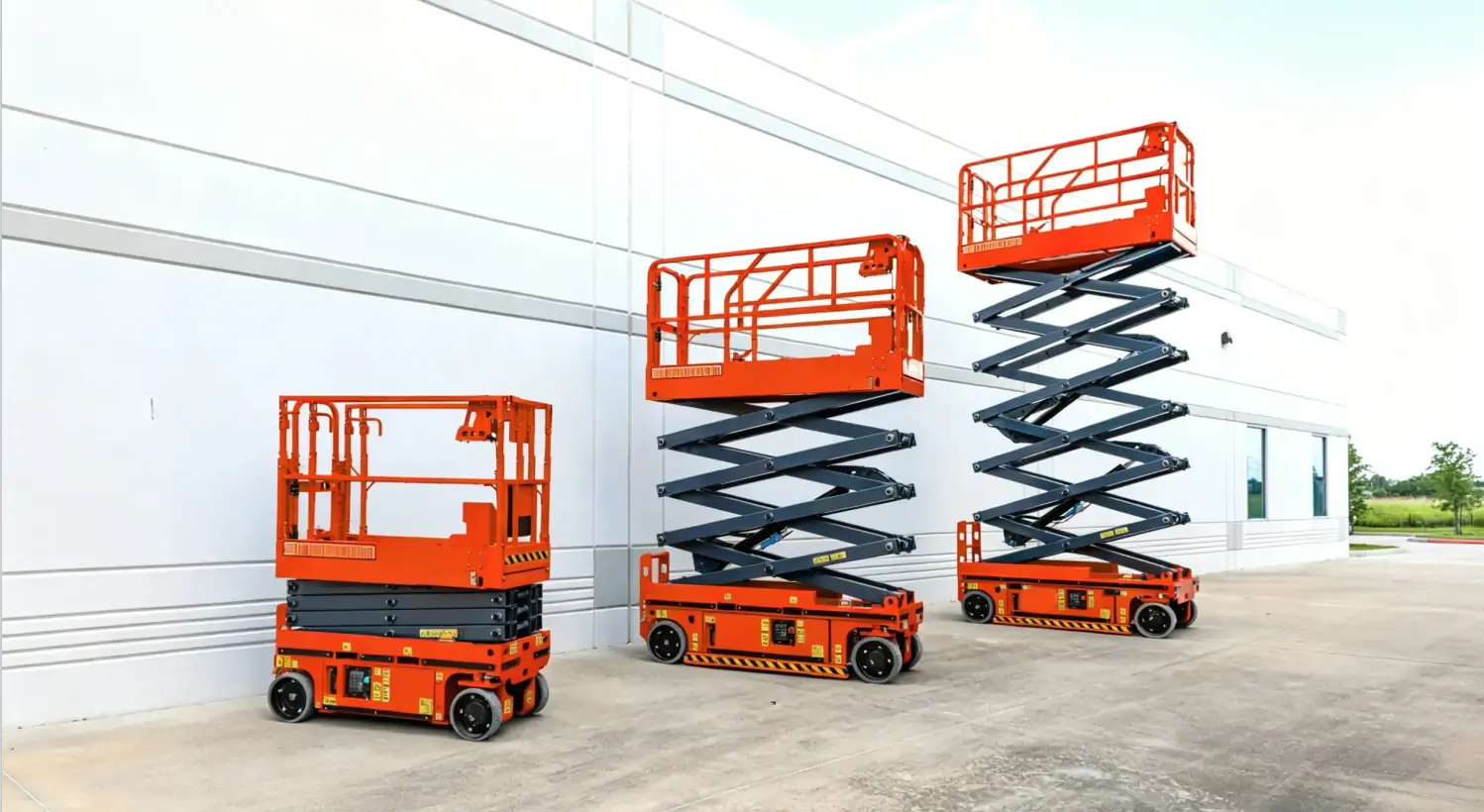
Different working environments require different lifting solutions. Load capacity, lifting height, power systems, and mobility can all affect performance and suitability. In this article, we’ll take a closer look at what a scissor lift is, how it works, its common types, applications, advantages, and key factors to consider when selecting the right equipment.
What Is a Scissor Lift?
A scissor lift is a type of elevated work platform designed to lift workers, tools, or materials vertically to higher working areas. It uses a crossed support mechanism that expands and contracts in a scissor-like motion to raise the platform safely and steadily. Scissor lifts are widely used in construction, warehousing, manufacturing, equipment maintenance, and facility management, where stable access at height is required.
Scissor lift used for?
A scissor lift is used to provide safe, stable, and efficient access to elevated work areas. It is commonly applied for lifting workers, tools, and materials to required heights during tasks such as equipment installation, building maintenance, warehouse picking, inventory management, lighting and electrical work, and construction operations. Compared with ladders or scaffolding, a scissor lift offers a larger working platform and better stability, making high-level tasks more efficient and less risky in industrial and commercial environments.
Parts
A scissor lift is built from several key components that work together to provide stable vertical lifting, safe operation, and reliable performance in daily industrial use.
- Platform – The working surface where operators stand, used to safely carry workers, tools, and materials at height.
- Scissor Arms – The folding crossed steel structure that expands and contracts to achieve vertical lifting movement.
- Hydraulic System – Provides the driving force for lifting and lowering the platform in most heavy-duty models.
- Power Unit – Supplies energy to the lift, which can be electric or diesel, depending on application needs.
- Base Frame – The structural foundation that supports the entire machine, providing overall stability during operation.
- Control System – Allows operators to safely control lifting, lowering, and movement functions with precision.
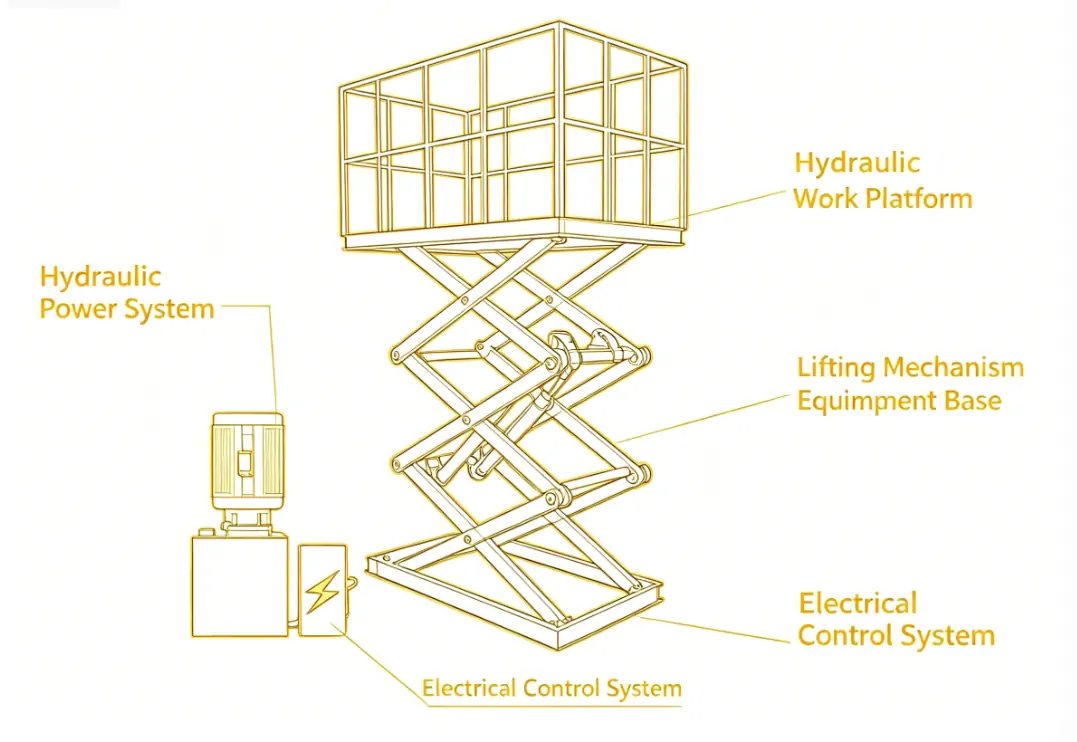
These components work together as a complete system to ensure smooth operation and reliable lifting performance, which is why a scissor lift is widely used in industrial work platforms, maintenance operations, and warehouse lifting tasks.
working principle
The working principle of a scissor lift is based on a simple but efficient mechanical structure that converts power into controlled vertical movement, allowing stable and precise elevation of the working platform.
In operation, the system is powered by a hydraulic or electric drive unit. When activated, the hydraulic cylinder generates a force that pushes the crossed scissor arms outward. As the arms extend, the structure lifts the platform vertically along a guided path. When lowering is required, the hydraulic pressure is gradually released, or the motor reverses, allowing the arms to contract in a controlled motion. This process delivers smooth vertical lifting with strong load-bearing stability, making the equipment suitable for aerial work platform applications in construction, warehousing, and industrial maintenance environments.
The scissor mechanism transforms linear power input into stable vertical elevation through coordinated structural expansion and contraction, providing reliable access to elevated working areas across a wide range of industrial lifting scenarios.
Type
Electric Scissor Lift Platform
Electric Scissor Lift Platform vertical lifting aerial work device specifically designed for indoor environments. compact structure, flexible mobility, and low-noise eco-friendliness.
- Maximum working height: 8.0 meters
- Rated load capacity: 230 kg
- Overall width: 0.76 meters (compact design, fits through standard doors)
- Power source: 4 × 6V / 210Ah lead-acid batteries (zero emissions, low noise)
Designed for indoor work at heights, including commercial building maintenance, interior renovation, and MEP installation, warehouse inventory management, factory equipment maintenance, and exhibition venue setup.
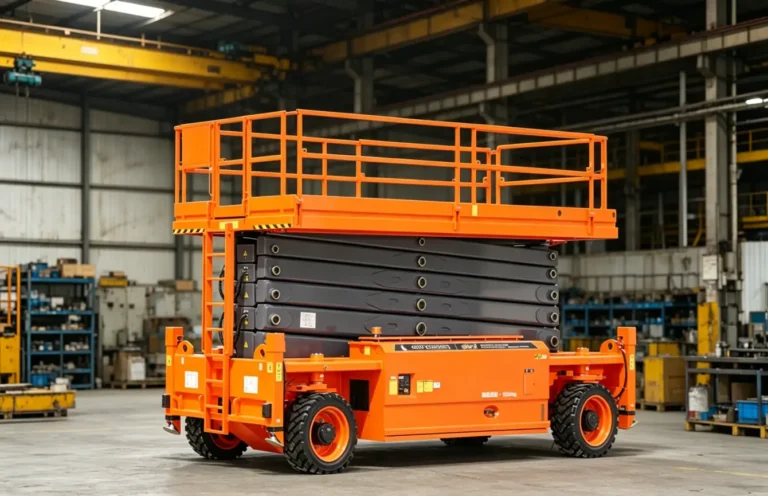
Scissor Lift With Extension Platform
Extension Platform Scissor Lift with a retractable extension platform at the top, it expands the working range without moving the entire machine, designed specifically for applications requiring lateral access behind obstacles.
- Working height range: 6–14 meters (depending on model)
- Rated load capacity: 230 – 450 kg (depending on model)
- Extension platform length: 0.8 – 1.2 meters (slides outward)
- Drive type: Electric / Hydraulic / Self-propelled (optional)
Used for high-rack maintenance in warehouses, factory equipment installation, exterior building facade inspections, and high-altitude work in logistics centers where obstacles must be crossed.
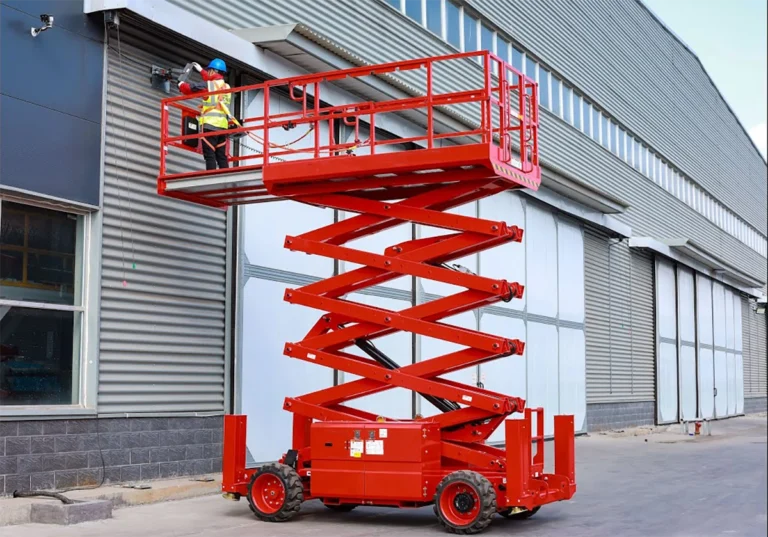
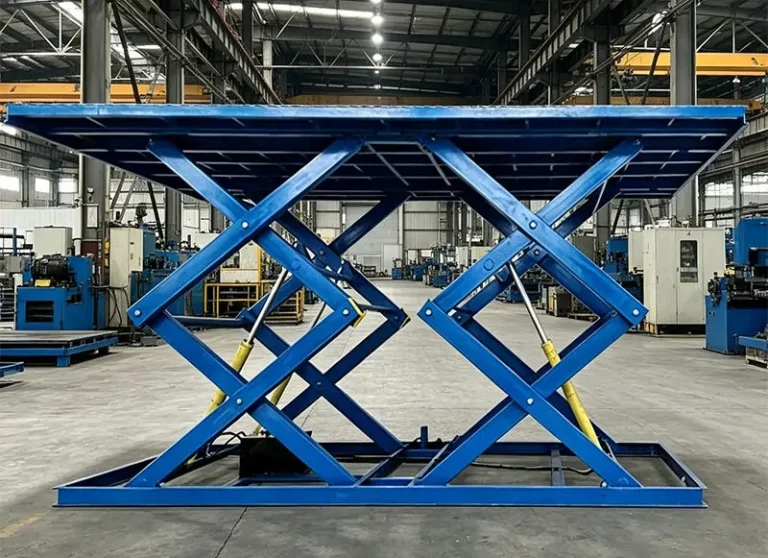
Hydraulic Scissor Lift Table
Heavy-duty stationary hydraulic lifting equipment, driven by a powerful hydraulic system that operates a scissor lift mechanism, capable of smoothly lifting loads ranging from 500 kg to 10 tons vertically.
- Rated load capacity: 500 – 10,000 kg (0.5–10 tons, wide range)
- Maximum lifting height: 1,000 – 6,000 mm
- Platform Dimensions (L×W): 1,300×800 – 3,000×2,000 mm (customizable)
- Minimum Height (Self-Height): 200 – 600 mm
Used for connecting production line workstations, compensating for height differences at loading/unloading platforms, lifting heavy-duty molds, stacking in warehouses, and as a simple freight elevator for vertical transport of goods between floors.
Advantages
The key features of a scissor lift lie in its structural design, operational performance, and adaptability, making it a stable and efficient aerial work platform.
- High Stability: The scissor-type structure distributes loads evenly, ensuring the platform remains well-balanced during lifting and lowering, making it suitable for high-altitude work and extended periods of operation.
- Vertical Lifting Capability: The equipment primarily provides vertical lifting, eliminating the need for complex horizontal extension mechanisms. This results in a clear operating path and simpler controls.
- High load capacity: Compared to ladders or small lifting equipment, scissor lifts offer greater load-bearing capacity.
- Spacious work platform: The wide platform area allows multiple personnel to work simultaneously, improving work efficiency and facilitating team collaboration.
- Simple and easy to operate: Lifting and movement are controlled via electric or hydraulic systems, requiring minimal training and allowing for quick mastery.
- Wide Range of Applications: Suitable for indoor warehousing and factory maintenance, as well as outdoor construction projects; adapts to various working conditions depending on the model.
- High Safety Standards: Equipped with guardrails, non-slip platforms, and limit switches to provide essential safety protection during work at heights.
With their stable structure, intuitive operation, and strong load-bearing capacity, scissor lifts are widely used in construction, warehousing and logistics, and industrial maintenance.
Applications
A scissor lift is widely used across industries that require safe and stable access to elevated work areas. Its vertical lifting design and strong platform capacity make it suitable for both indoor and outdoor operations.
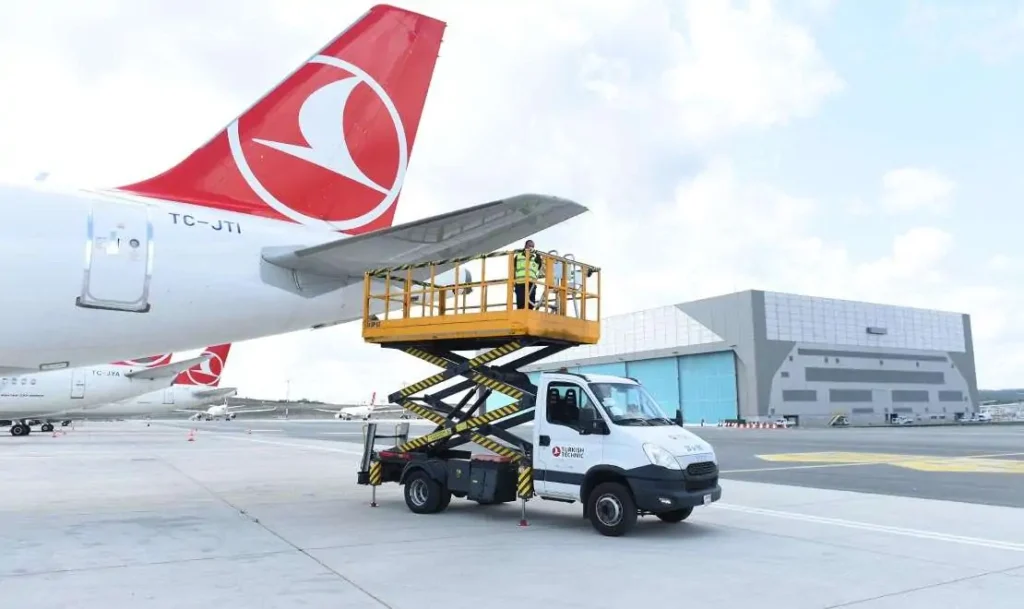
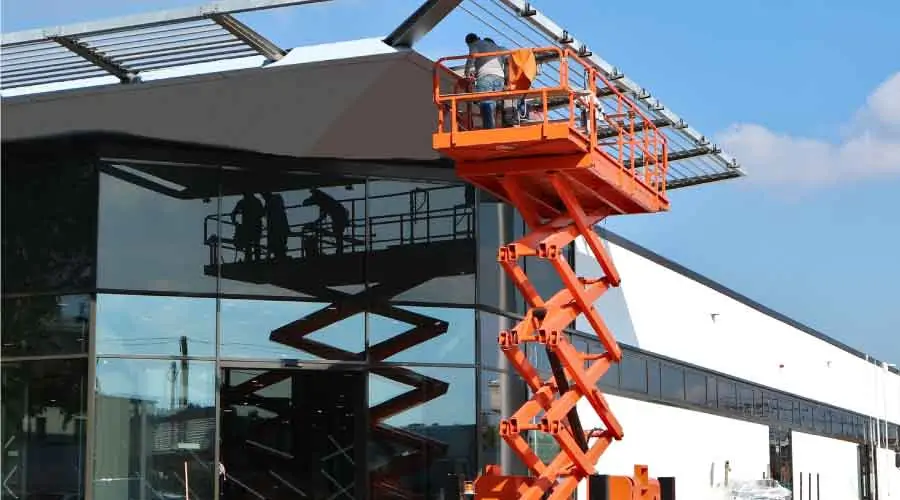
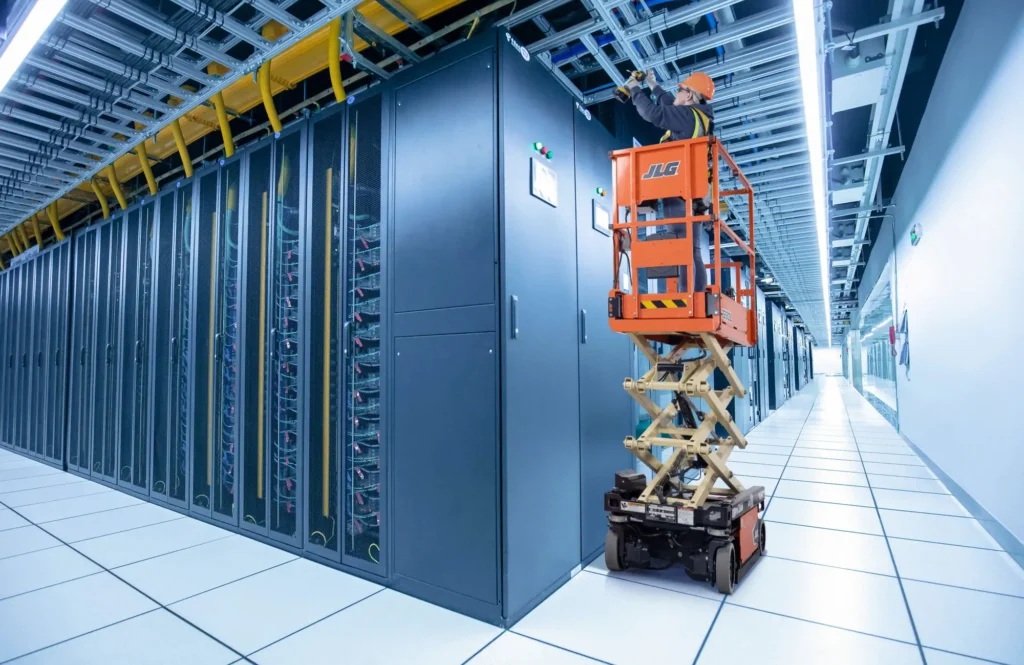
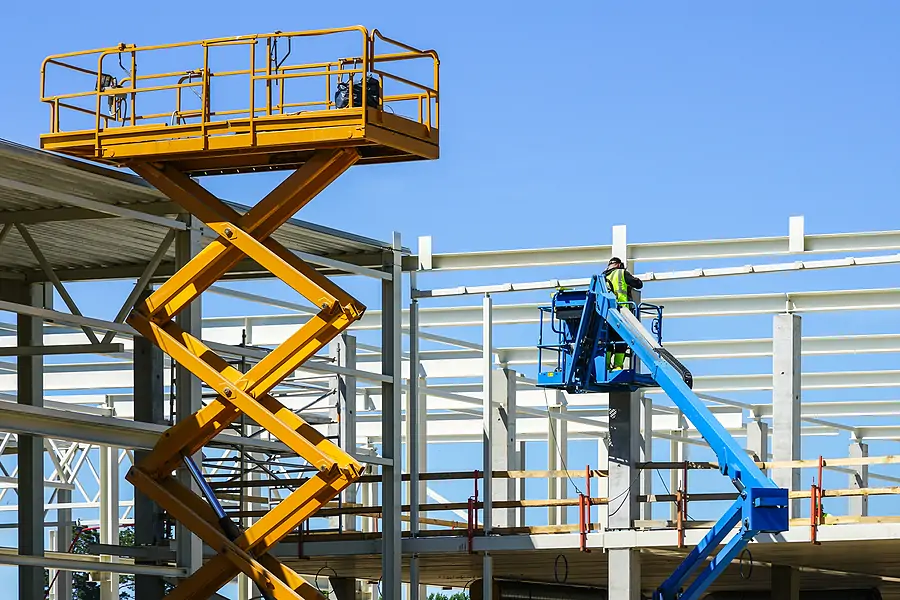
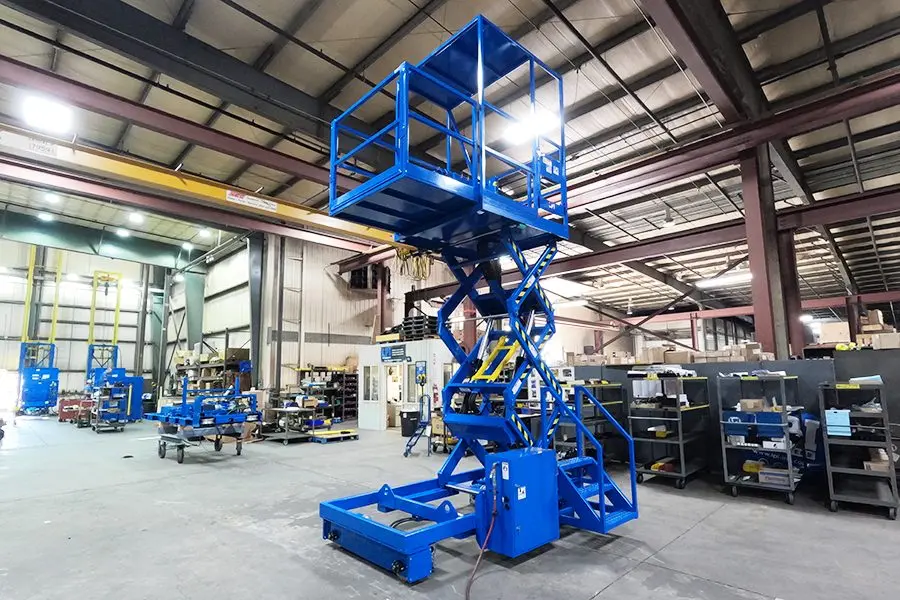
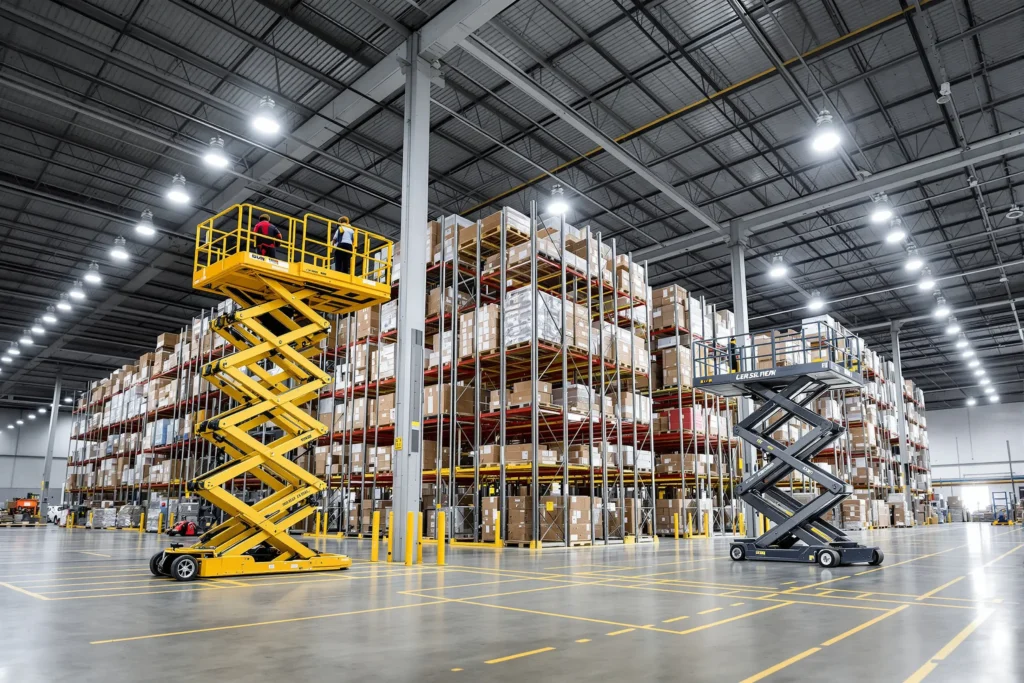
- Construction Sites:Used for ceiling installation, painting, steel structure work, and façade maintenance. It provides a stable elevation for workers operating at height.
- Warehousing & Logistics:Common in high-bay warehouses for stock picking, shelving access, inventory management, and equipment installation.
- Industrial Manufacturing:Applied in production lines for machine maintenance, assembly support, and overhead equipment servicing.
- Building Maintenance: Used for repairing lighting systems, HVAC units, fire systems, and general facility upkeep in commercial buildings.
- Retail & Commercial Facilities:Suitable for installing signage, lighting setup, and interior maintenance work in shopping malls, supermarkets, and large venues.
- Airports & Transportation Hubs: Used for aircraft maintenance support, terminal facility repair, and overhead system inspection.
Overall, a scissor lift serves as a practical aerial work platform for any operation that requires safe elevation access, especially in environments where stability, efficiency, and controlled lifting are essential.
Scissor Lift Usage Requirements
- Operator Requirements: Operators must undergo basic training, be familiar with the equipment’s controls, emergency descent procedures, and safety regulations, and possess a basic understanding of working at heights.
- Equipment Inspection Requirements: Before each use, inspect the hydraulic system, battery charge, tires, guardrails, and control system to ensure the equipment is in proper working condition.
- Load Limit Requirements: Overloading is strictly prohibited. The platform load must remain within the equipment’s rated capacity, including the combined weight of personnel and tools.
- Operating Environment Requirements: Use the equipment on level, stable ground. Avoid operating in unstable environments such as strong winds, slopes, or soft ground.
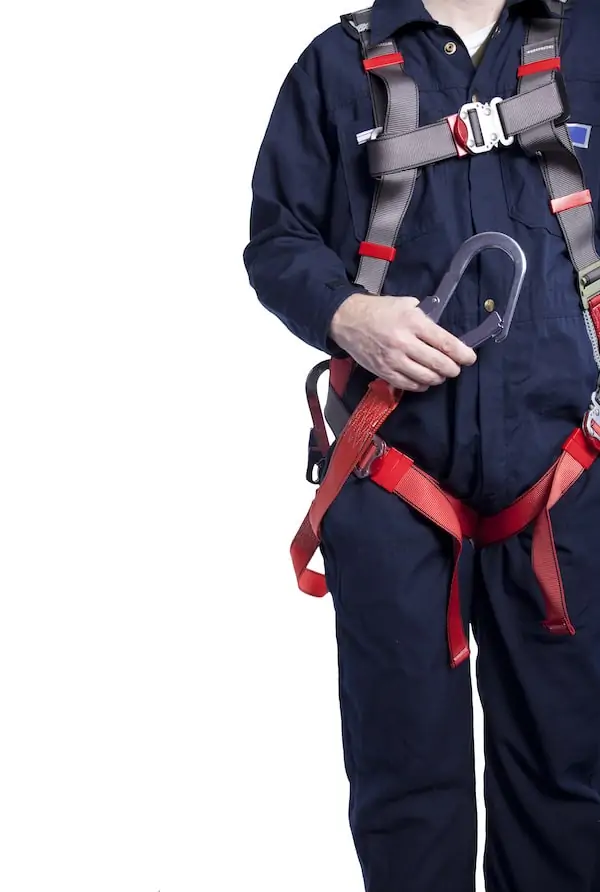
- Safety Protection Requirements: Operators must wear protective gear such as safety harnesses and non-slip footwear, and must correctly use guardrails and safety door mechanisms.
- Operating Certification Requirements: In most countries and regions, operating a scissor lift is classified as work at height and typically requires a valid MEWP (Mobile Elevating Work Platform) certification or equivalent qualification to operate the equipment independently.
- Operator Requirements: Operators must undergo basic training, be familiar with the equipment’s controls, emergency descent procedures, and safety regulations, and possess a basic understanding of working at heights.
- Equipment Inspection Requirements: Before each use, inspect the hydraulic system, battery charge, tires, guardrails, and control system to ensure the equipment is in proper working condition.
- Load Limit Requirements: Overloading is strictly prohibited. The platform load must remain within the equipment’s rated capacity, including the combined weight of personnel and tools.
- Operating Environment Requirements: Use the equipment on level, stable ground. Avoid operating in unstable environments such as strong winds, slopes, or soft ground.
- Safety Protection Requirements: Operators must wear protective gear such as safety harnesses and non-slip footwear, and must correctly use guardrails and safety door mechanisms.
- Operating Certification Requirements: In most countries and regions, operating a scissor lift is classified as work at height and typically requires a valid MEWP (Mobile Elevating Work Platform) certification or equivalent qualification to operate the equipment independently.
How to Choose a Scissor Lift
Selecting the right scissor lift requires a comprehensive assessment of actual working conditions, required working height, and the operating environment, taking into account both equipment performance and suitability for the application.
- Working Height: Select the appropriate model based on the actual construction or maintenance height, ensuring a safety margin is included to avoid a configuration that is “just barely sufficient.”
- Load Capacity: Calculate the total weight of personnel, tools, and materials to select the appropriate load rating and avoid the risk of overloading.
- Indoor or Outdoor Use: Electric models are typically chosen for indoor use due to their low noise and zero emissions; for outdoor use, consider rough-terrain or diesel-powered equipment to handle complex terrain.
- Power Type: Common options include electric drive and hydraulic systems; different power types affect operating range, maintenance costs, and suitable applications.
- Ground Conditions: Standard models are suitable for level surfaces, while unpaved or uneven terrain requires a rough-terrain scissor lift.
- Platform Size: Select an appropriate platform area based on the number of operators and the workspace to enhance operational efficiency and comfort.
Mobility Requirements: Mobile scissor lifts are suitable for scenarios involving frequent movement; for fixed workstations, choose a stationary model to improve stability.
Conclusion
A scissor lift plays an important role in modern high-access operations, offering a stable, efficient, and practical solution for working at height across construction, warehousing, manufacturing, and maintenance environments. VOITTO can provide customized solutions based on different working requirements.
If you are looking for a reliable scissor lift solution or need support in selecting the right model for your project, feel free to contact us. Our team can provide professional guidance and customized lifting equipment options based on your specific working requirements.

Alan
Crane Solutions Specialist · Voitto Crane
Specialized in Overhead Crane, Gantry Crane, Jib Crane, Port Crane & EOT Crane export solutions. 10+ years helping global clients with pre-sales consultation, capacity selection and site-specific configurations.
FAQS
What is a scissor lift used for?
A scissor lift is used to safely lift workers and materials to elevated areas for construction, maintenance, warehousing, and installation work.
How does a scissor lift work?
It works through a hydraulic or electric system that pushes scissor-shaped arms to raise or lower the platform vertically.
What is the difference between a scissor lift and a boom lift?
A scissor lift moves straight up vertically, while a boom lift can extend horizontally and reach more complex positions.
How high can a scissor lift go?
Depending on the model, a scissor lift can typically reach heights from 6 meters to over 18 meters.
Is a scissor lift safe to use?
Yes, it is safe when operated correctly, with proper training, load control, and safety equipment in place.
Do you need a license to operate a scissor lift?
In many regions, operators are required to have certified training or a MEWP operator license before using a scissor lift.




 English
  Español
  Português
  العربية
  Français
  Русский