
Brazil is South America’s largest industrial nation, boasting mature manufacturing, steel, mining, and port logistics sectors. With numerous factories and large-scale industrial projects, the country has significant demand for material handling equipment such as bridge cranes, driving growth in the Overhead Crane in Brazil market.
This article examines Brazil’s industrial market landscape, detailing the application characteristics of bridge cranes across manufacturing, steel, mining, warehousing logistics, and port sectors. It analyzes local regulatory requirements and pricing structures while outlining key suppliers.
- 1 Brazil Industrial Market Overview
- 2 Main Applications of Overhead Cranes in Brazil
- 3 Brazil Crane Regulations and Compliance (NR-12)
- 4 Overhead Crane Price in Brazil
- 5 Top Overhead Crane Suppliers in Brazil
- 6 How to Choose the Right Crane Supplier in Brazil
- 7 Why Choose Voitto Crane?
- 8 Voitto Crane Cases in Brazil
- 9 Conclusion
- 10 FAQS
Brazil Industrial Market Overview
Brazil is South America’s largest industrial nation, boasting a relatively comprehensive industrial system and leading manufacturing capabilities in Latin America. Industry plays a significant role in the national economy, with sectors such as manufacturing, steel, mining, and port logistics maintaining steady long-term growth.
Oil & Gas
Brazil ranks among the world’s major oil and gas producers, with crude oil output reaching approximately 3.4 million barrels per day in 2023 and natural gas production also maintaining high levels. During 2025, state-owned energy company Petrobras produced approximately 2.9 million barrels of oil equivalent per day, marking an increase of nearly 8% year-on-year. Exports continued to rise, indicating sustained industry activity. Heavy-duty lifting operations are integral to oil and gas extraction, refining, and equipment maintenance, all of which rely on overhead bridge cranes to enhance operational efficiency.
Manufacturing & Automotive
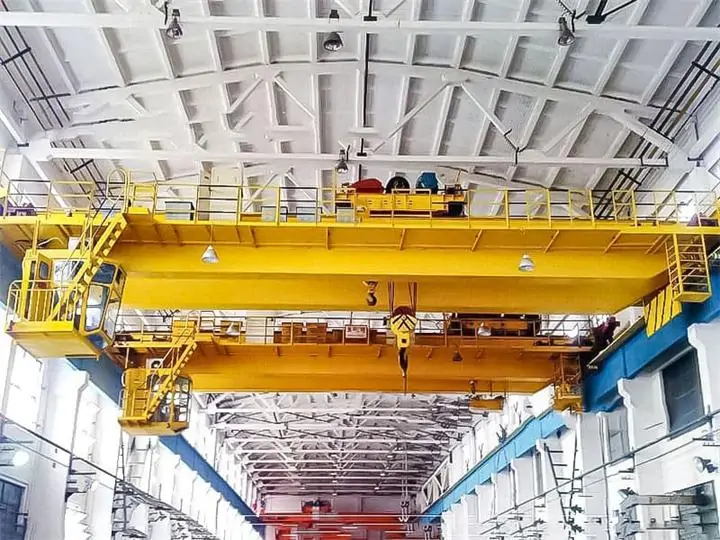
Manufacturing forms the core of Brazil’s industrial system. In 2022, manufacturing revenue reached approximately R$1.8 trillion (about $350 billion), accounting for 17.2% of GDP. Automotive manufacturing is the largest sub-sector, contributing roughly 22% of manufacturing income. Machining, equipment assembly, and production line maintenance all require the use of overhead cranes.

Steel Industry
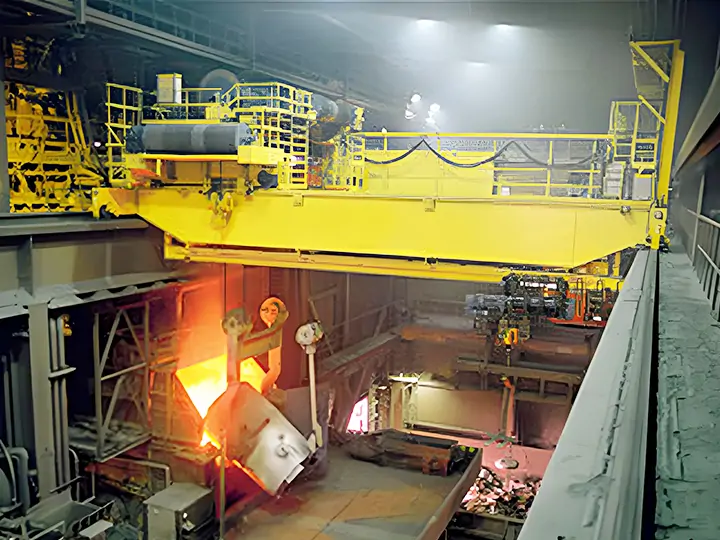
Steel manufacturing remains a traditional pillar industry in Brazil, though recent production levels have fluctuated. Data from late 2025 indicates Brazil’s steel output reached approximately 2.6 million tons per month (equivalent to roughly 31.2 million tons annually). Overhead cranes are essential for handling heavy materials like ladles and steel coils during critical steel mill processes including smelting, continuous casting, and rolling.
Mining
Mining is one of Brazil’s resource-advantaged industries, with exports of minerals like iron ore holding competitive positions in global markets. Operations in mines and processing plants require handling of raw ore, equipment maintenance, and heavy-load transportation. Bridge cranes play a vital role in mining processing plants, storage facilities, and loading yards.

Port & Logistics
Brazil operates multiple international ports, serving as vital hubs for exporting minerals, agricultural products, and industrial goods. Saudi Arabia’s crane market follows a similar import-heavy pattern — but with 50°C ambient temperatures, coastal corrosion in Jubail and Jeddah, and CE/FEM compliance as baseline requirements, the specification path differs significantly. The full breakdown by industrial hub and supplier route is in the overhead crane in Saudi Arabia guide. Industrial exports are substantial, totaling approximately $320 billion in 2023, with iron ore constituting a significant portion. Ports, warehouses, and logistics centers exhibit growing demand for efficient lifting and stacking equipment. Overhead cranes are widely deployed in container yards, storage areas, and heavy cargo handling operations.
Main Applications of Overhead Cranes in Brazil
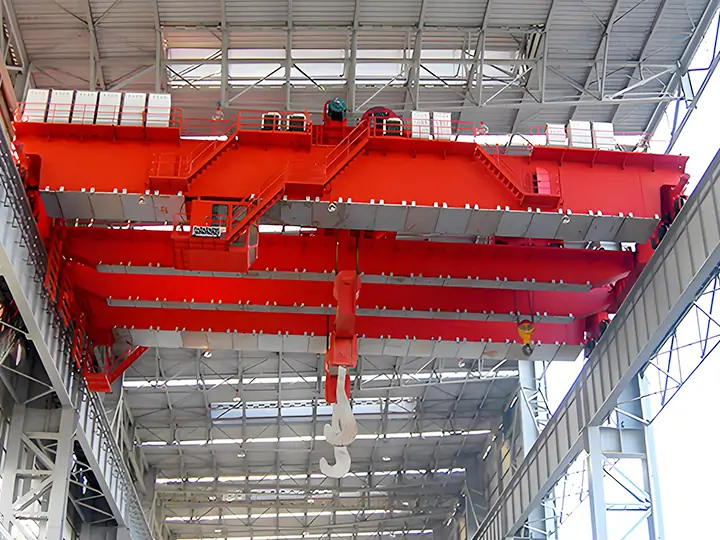
In Brazil, demand for bridge cranes varies across different industries. Whether for factory material handling, steel lifting operations, or mining site work, selecting the appropriate tonnage and configuration is essential. Below are typical applications across various sectors:
Manufacturing Plants
Brazil’s manufacturing facilities feature numerous plants where overhead cranes are primarily used for equipment installation, mold replacement, and material transfer.
- Typical capacity: 3–20 tons
- Span: 10–25 meters
- Duty cycle: A3–A5
- Operating environment: Standard workshop conditions with high operating frequency, demanding positioning accuracy and stability
Steel Industry
Steel mills involve high-temperature, heavy-load operations where overhead cranes are used to lift ladles, billets, and coils.
- Typical capacity: 20–150 tons
- Span: 18–35 meters
- Duty Class: A6–A8
- Operating Environment: High temperatures, high dust levels, continuous operation, demanding equipment strength and heat resistance
Mining & Heavy Industry
Mining and heavy industrial enterprises require heavy-duty lifting equipment for equipment maintenance and material handling.
- Typical capacity: 10–80 tons
- Span: 15–30 meters
- Working class: A5–A7
- Operating environment: High dust levels, heavy loads, with some areas featuring high humidity or corrosive conditions
Warehouse & Logistics
Warehousing and Logistics Centers are primarily used for cargo hoisting, loading/unloading, and internal transfer operations.
- Typical Capacity: 2–10 tons
- Span: 10–20 meters
- Working Class: A3–A4
- Operating Environment: Standard indoor environment, emphasizing smooth operation and ease of handling
Port Handling
Port warehouses and yards are used for loading and unloading steel, equipment, and heavy cargo.
- Typical capacity: 10–50 tons
- Span: 20–40 meters
- Working class: A5–A7
- Operating environment: Outdoor or semi-open environments with high wind speeds and humidity, requiring high corrosion resistance.
Brazil Crane Regulations and Compliance (NR-12)
In Brazil, the design and use of bridge cranes must comply with NR-12 safety regulations to ensure the safety of operators and equipment.
- Electrical Safety: Electrical systems must be reliable with high protection ratings to prevent electric shock or short-circuit risks.
- Fall Protection: Cranes and lifting attachments must incorporate fall arrest devices to prevent accidental dropping of loads or components.
- Emergency Stop System: Equipment shall be equipped with emergency stop devices capable of immediately cutting power during abnormal conditions to safeguard personnel and equipment.
Overhead Crane Price in Brazil
Prices for Brazilian bridge cranes vary significantly based on tonnage and configuration. Equipment with lifting capacities ranging from 3 to 150 tons typically costs between approximately $20,000 and $200,000. Smaller-tonnage workshop cranes are less expensive, while larger-tonnage metallurgical or port cranes command higher prices.
Factors Affecting Price
- Lifting Capacity: Higher tonnage means higher price.
- Span: Greater span increases structural and material costs.
- Duty Class: Equipment designed for heavy loads and frequent operation costs more.
- Installation: On-site installation complexity varies significantly, affecting costs.
- Import Tax: Imported equipment incurs Brazilian customs duties and VAT, impacting total cost.
Import Cost Breakdown
- FOB Price: Manufacturer’s ex-works price, serving as the cost foundation.
- Ocean Freight: Transportation costs to Brazilian ports.
- Brazilian Import Duty: Calculated based on tariff rates and equipment value.
- Installation: On-site installation and commissioning costs.
Top Overhead Crane Suppliers in Brazil
Before choosing an overhead crane supplier in Brazil, it is important to understand the leading companies in the market.
Konecranes Brazil
Konecranes is a leading global crane manufacturer with a local service network in Brazil, providing sales, installation, and after-sales support.
Main Products:
- Double-girder overhead cranes
- Single-girder overhead cranes
- Automated lifting systems
- Crane components and intelligent control systems
Application Areas
Steel mills, ports and terminals, automotive manufacturing plants, and high-end industrial production workshops, suitable for heavy-duty lifting and automated material handling.
Demag Cranes & Components Brazil
Demag, originating from Germany and part of the global crane technology group, provides high-precision industrial lifting equipment and customized solutions in Brazil.
Main Products
Double-girder and single-girder overhead cranes
Custom crane systems
Electric hoists and lifting accessories
High-precision automated lifting equipment
Application Areas
Heavy industrial manufacturing, high-intensity work environments, steel mills, and large machinery production workshops. Suitable for high-load, continuous operation.
Munck Cranes
Munck Cranes is a Brazilian crane manufacturer specializing in meeting domestic industrial market demands, with expertise in local regulations and standards.
Main Products
- Single-girder overhead cranes
- Double-girder overhead cranes
- Small custom cranes
- Industrial lifting equipment
Application Areas
Suitable for small to medium-sized industrial plants, regional projects, and light to heavy industrial workshops, catering to material handling needs in the small to medium tonnage range and local installation/maintenance requirements.
How to Choose the Right Crane Supplier in Brazil
Selecting the right crane supplier requires comprehensive consideration based on actual needs:
- Project scale: Small workshops and heavy industrial projects have different requirements for crane tonnage and configuration.
- Budget level: Premium brands command higher prices, while some companies opt for more cost-effective solutions.
- Regulatory compliance: Equipment must meet NR-12 and relevant safety standards.
- Local service vs. overseas manufacturers: Local suppliers offer faster response times, while overseas manufacturers have advantages in pricing and customization capabilities.
Why Choose Voitto Crane?
Voitto Crane is a professional manufacturer of crane solutions with over 20 years of industry experience. The company operates a 60,000-square-meter modern production base and a national-level R&D center, with products exported to over 80 countries and regions.
- Primary Products & Service Industries: Offers single-girder, double-girder bridge cranes, and customized solutions for manufacturing, steel, port, mining, and related sectors.
- Quality Certifications & Experience: All products are ISO and CE certified, meeting international standards, backed by extensive export expertise.
- Service Advantages: Provides custom design, installation guidance, spare parts support, and rapid quotations to help you select the optimal crane solution.
Voitto Crane Cases in Brazil
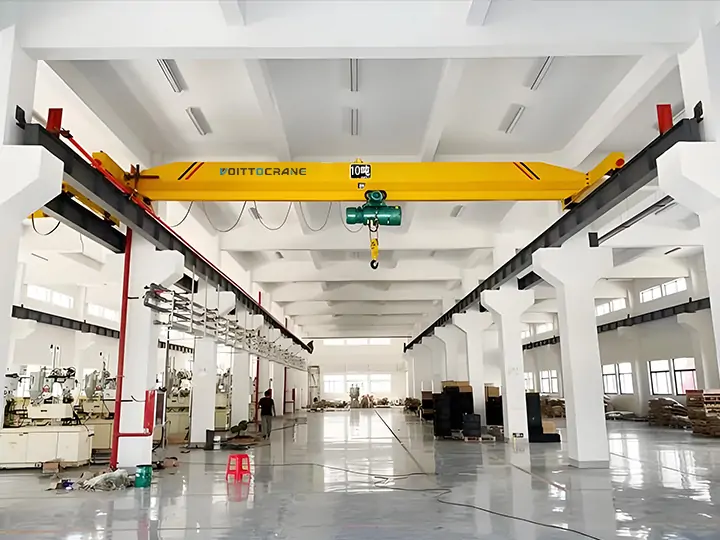
10-Ton Single-Girder Bridge Crane Exported to Brazil
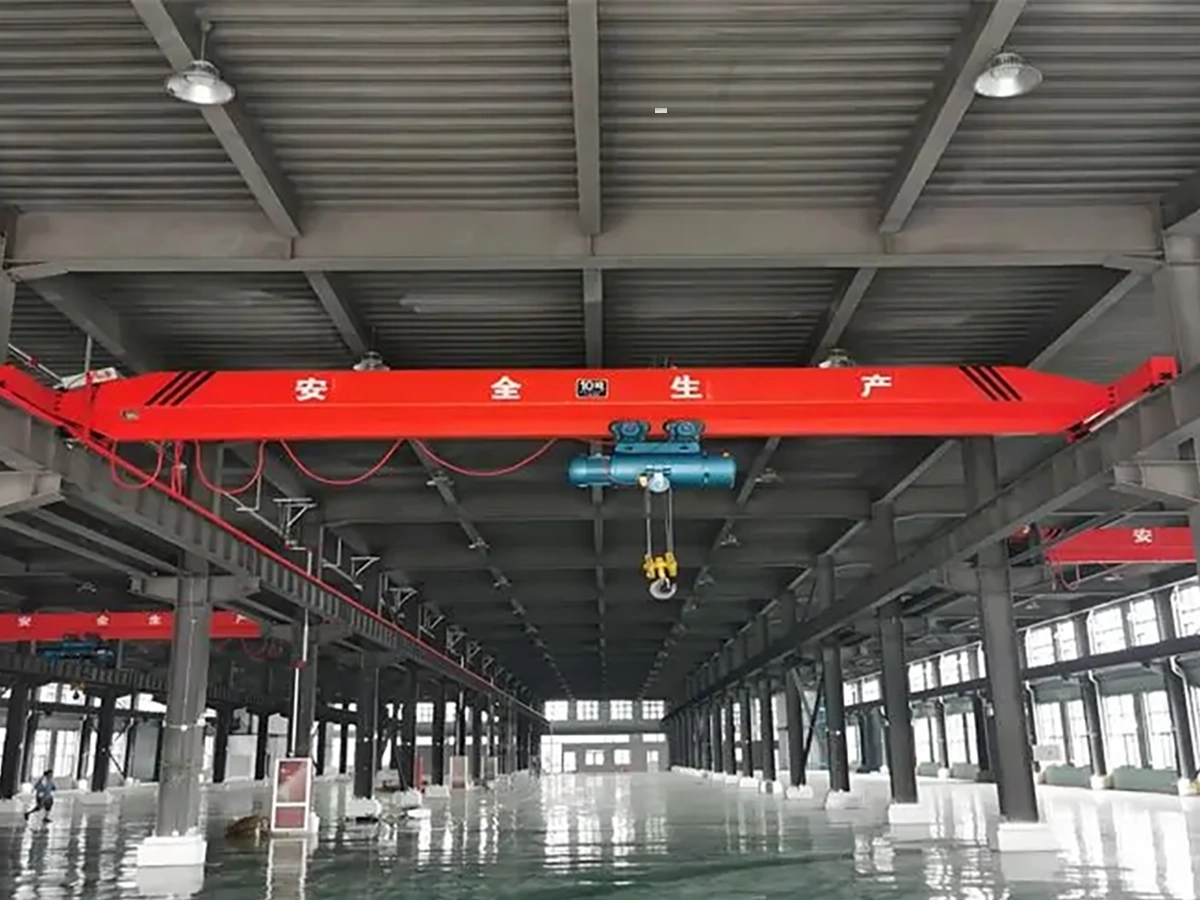
Lifting Capacity: 10 tons
Span: 22 meters
Lifting Height: 9 meters
Hoisting Mechanism: Electric Wire Rope Hoist
Control Method: Wireless Remote Control + Ground Control
Power Supply: 380V / 60Hz / 3-Phase
Working Class: ISO M5
The equipment is deployed in a machinery manufacturing workshop in São Paulo, Brazil, primarily for equipment installation and steel structure handling. Based on the customer’s workshop structure, we optimized the track center distance and clearance height to achieve maximum lifting height within the limited space. Pre-assembly and operational testing were completed prior to shipment, minimizing on-site commissioning time. The equipment was successfully installed and put into operation upon arrival at the factory.
16-Ton Explosion-Proof Double-Girder Bridge Crane Exported to Brazil
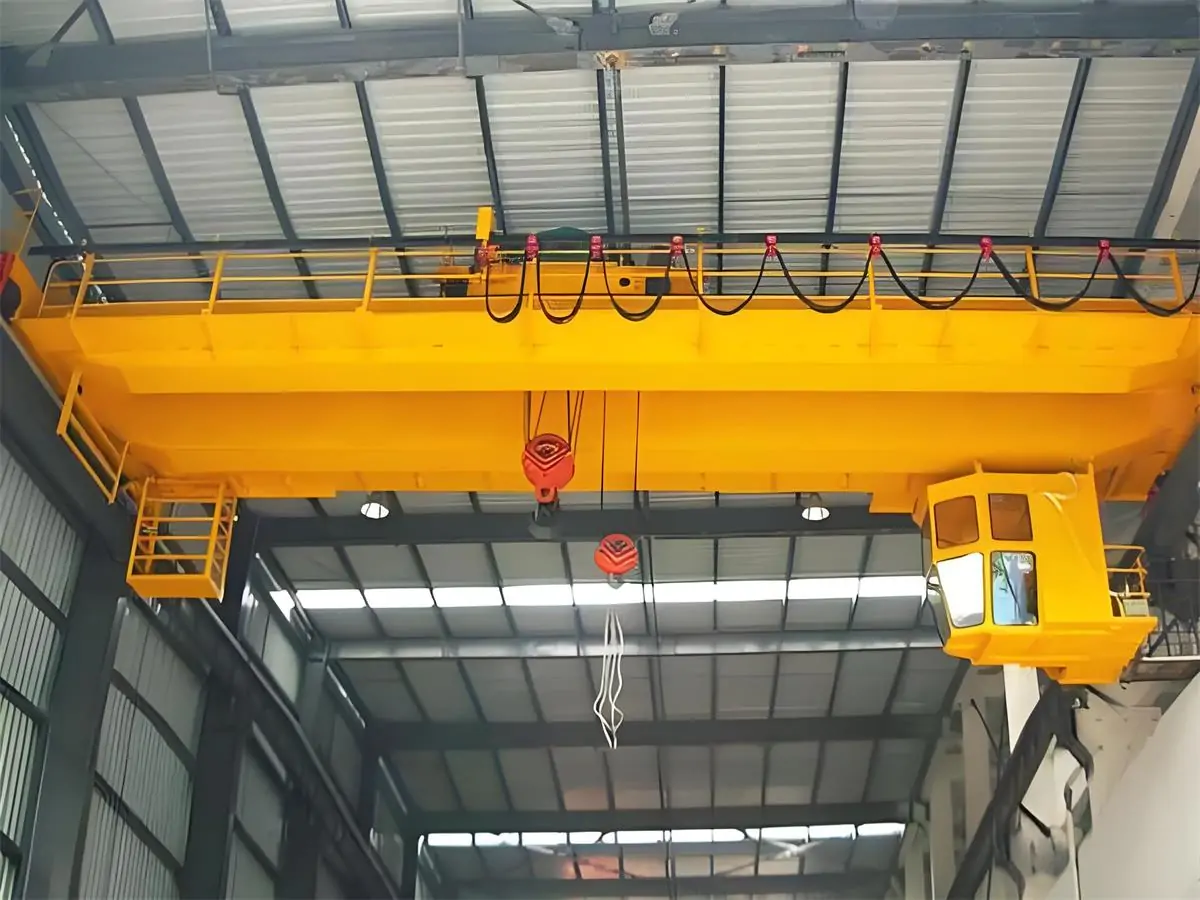
Lifting Capacity: 16 tons
Span: 24 meters
Lifting Height: 10 meters
Hoisting Mechanism: Explosion-proof electric wire rope hoist
Control Method: Explosion-proof wireless remote control + ground button control
Power Supply: 440V / 60Hz / 3-phase
Working Class: ISO M5
Explosion-Proof Rating: Ex d IIB T4
This equipment is deployed in an oil and gas equipment maintenance workshop in Rio de Janeiro, Brazil, where the operational area contains combustible gas environments. Based on site conditions, the entire electrical system, motors, and control components feature explosion-proof configurations with enhanced grounding and safety protection designs. To accommodate maritime transport and on-site installation requirements, the main girder was shipped in segmented sections. All explosion-proof components underwent comprehensive pre-shipment integration testing and insulation verification. The equipment operates smoothly following installation.
Conclusion
Brazil boasts a robust industrial infrastructure, with significant demand for overhead cranes across sectors including manufacturing, steel, mining, oil and gas, and port logistics. Different application scenarios require varying capacities, spans, duty classes, and compliance standards. When procuring cranes, enterprises must comprehensively evaluate project scale, budget, NR-12 regulatory requirements, and supplier service capabilities to select solutions best suited to their production conditions.
If you are planning a project in Brazil or require bridge crane solutions, please contact the Voitto Crane team. We can provide selection recommendations, technical proposals, and quotation support based on your facility blueprints and operational requirements.
FAQS
How much does an overhead crane cost in Brazil?
Prices typically range from USD 20,000 to USD 200,000, depending on capacity, span, duty class, configuration, and import taxes.
What is NR-12 for cranes?
NR-12 is Brazil’s machinery safety regulation. It defines requirements for crane design, electrical safety, protective devices, and emergency stop systems.
How long does shipping take to Brazil?
Sea freight usually takes 30–45 days, depending on the departure port and destination port in Brazil.
Do you provide installation support?
Yes. We provide remote technical guidance, installation drawings, and commissioning support. On-site engineer service can also be arranged if required.
Can I get a customized crane design?
Yes. Crane solutions can be customized based on workshop layout, lifting capacity, duty cycle, and specific working conditions.




 English
  Español
  Português
  العربية
  Français
  Русский